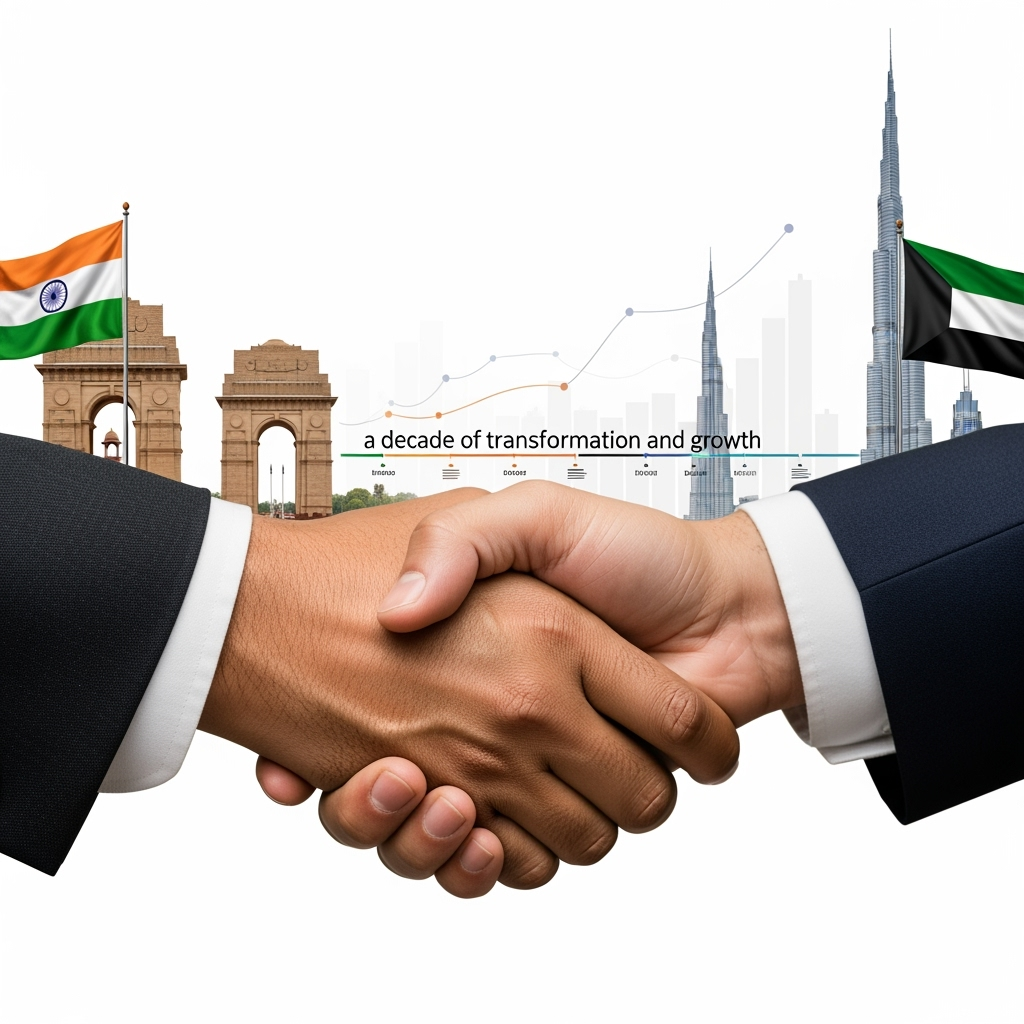
January 4th marks the anniversary of the Burj Khalifa. Today, the structure celebrates its ninth anniversary since its inauguration in 2010.
Dubai’s Burj Khalifa turns 9: 50 facts you didn’t know.
Standing at an impressive 828 meters in the air, the Burj Khalifa is undoubtedly at the forefront of engineering innovations. At its peak, 12,000 workers were involved daily and it took 22 million man-hours to complete.
Building such a tall structure came with its own set of engineering challenges. Let’s look at the top five:
1. One of the first challenges of the Burj Khalifa was that the building had to withstand extreme heat, reaching more than 50 degrees Celsius in the summer. To account for this, an exterior cladding made of reflective glazing with aluminum and textured stainless steel panels was created. 300 cladding specialists were involved in individually hand-cutting approximately 26,000 glass panels.
2. The hot climate also posed a condensation challenge, with around 15 million gallons of water being released from the structure. To address this, a separate piping system was created to hold a tank in the basement to store the water.
3. Wind loads were another structural challenge faced during construction. To understand the behavior of the wind and the stress it could place on the building, the design team conducted over 40 wind tunnel tests. The top structure of the Burj Khalifa was designed to resemble the letter ‘Y’, with each of the three wings buttressing the others through this central core.
4. It is now known that the combined weight of the concrete used for building the Burj Khalifa is equivalent to 100,000 elephants. Engineers had to mix the concrete with ice and pour it into the structure at night to avoid the hot climate. This cooler mixture was also less likely to crack.
5. The total weight of all the aluminum used on the Burj Khalifa surpasses that of five A380 aircraft. These panels were lifted using a series of cranes and installed by specialists.