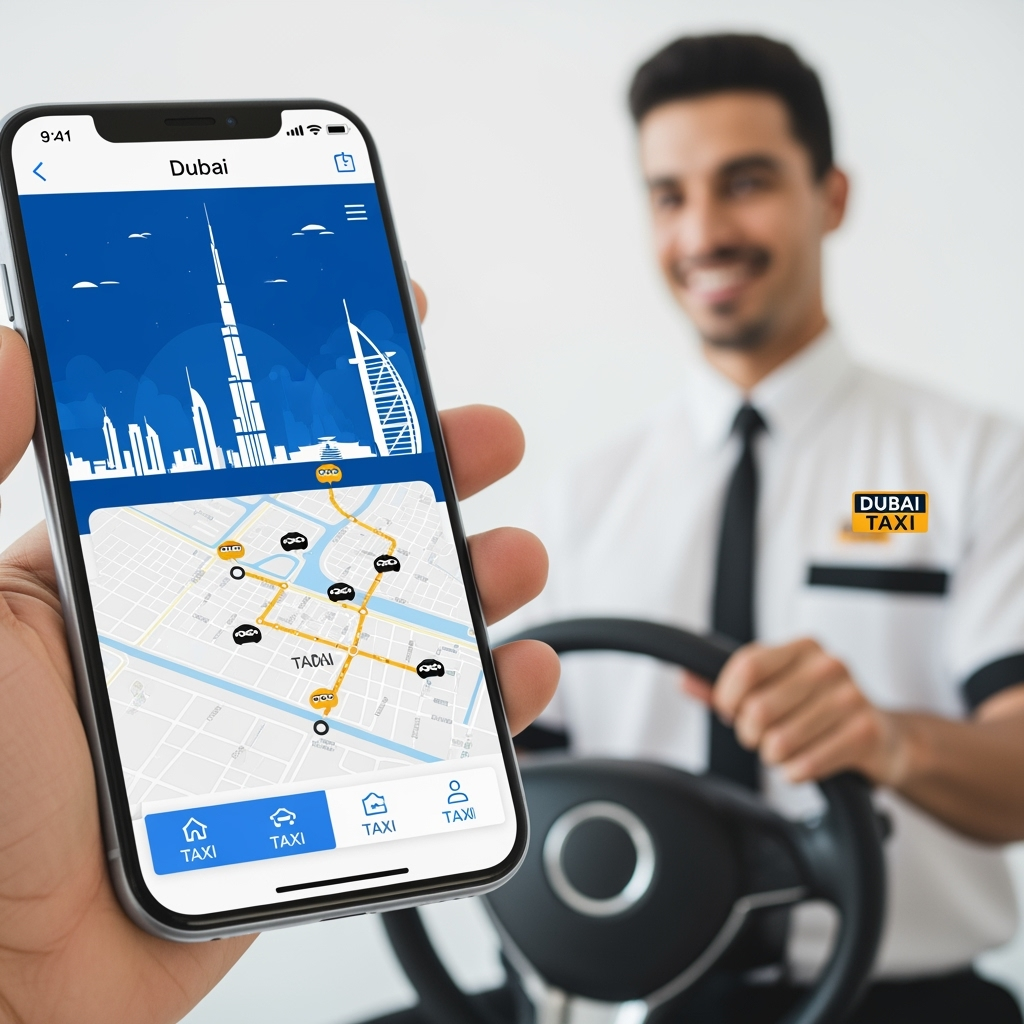
A local customer experience expert spent two years analyzing taxi riders’ complaints to develop an app that simplifies hiring taxis in Dubai.
Rodrigo de Mingo, Chief of User Experience at Dubai Municipality, detailed how he examined over 2,200 complaints, took taxis, and interviewed both drivers and users to enhance the usability of the S’hail app in his previous role.
“In the research phase, the main objective was to gather user insights and understand the user issues,” he explained. He conducted interviews with users at the Customer Experience (CX) Lab and collected data from various sources including the Apple Store, Google Play Store, and customer happiness meetings. When his car broke down during the research phase, he booked over 18 taxis and spoke to each driver to identify pain points.
Rodrigo was speaking at CX Evolve, organized by Khaleej Times events, which brought together some of the region’s most influential CX leaders and decision-makers to discuss the industry’s future. He illustrated how businesses could use customer experience insights to improve services, build loyalty, and increase revenue.
He further explained the importance of experiencing the pain points himself. “Most of the people at the CX lab work at their desks,” he said. “They don’t go outside and use the service, so they can’t get real feedback and emotions from people facing these issues.”
Rodrigo explained that it was challenging to address thousands of complaints individually, so he created a system to manage them. “When you have over 2,000 complaints, you can’t solve them one by one,” he said. “So I ranked keywords, grouped feedback, and identified patterns.”
He discovered that taxis not arriving was a common issue, affecting 88% of users. “So, I started breaking it down into smaller components,” he said. “Behind every complaint is a real user problem. My job is to determine what they really meant. I called them individually, interviewed them, and tried to understand the core issue.”
He also identified issues such as poor payment options, lack of live updates, and communication barriers with drivers. He then employed techniques like affinity mapping and sentiment analysis to address customer pain points.
“So, we combined a traditional design with something new, allowing users to define the type of taxi, view duration information, and leave notes for drivers,” he said. During this process, he also identified unmet needs such as requests for child seats, pet transport, and accessibility limitations.