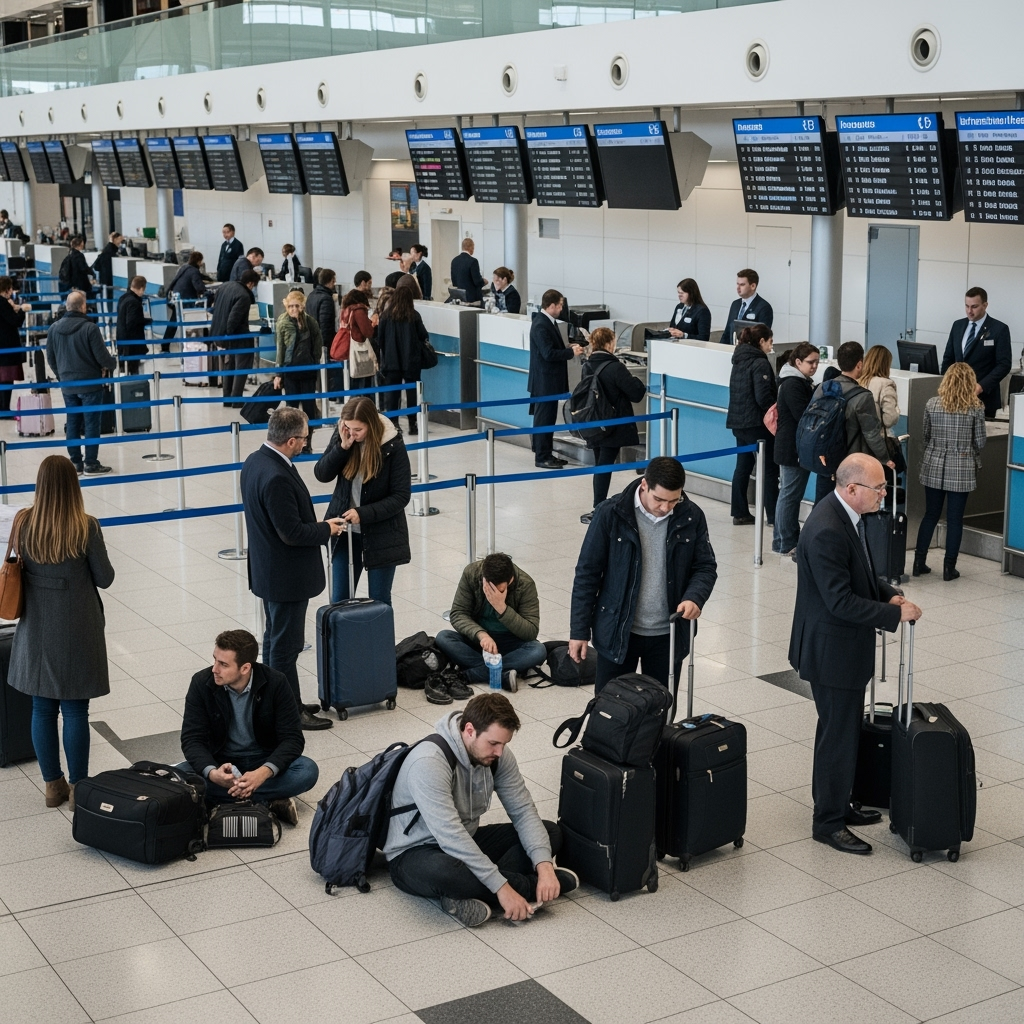
Are you among those who stop by a pharmacy to stock up on ‘just in case’ medicines before traveling? It often starts with a simple thought: What if I fall sick abroad?
As winter holidays get underway, that concern is driving many UAE residents to buy cold, flu, and multivitamin supplements before flying, pharmacists in the UAE told Khaleej Times.
Supplements lead travel checklist
Pharmacists in Dubai and Sharjah said multivitamins, vitamin C, zinc, immune boosters, and hydration supplements are among the most requested items in the weeks leading up to travel.
“Before the travel season begins, many people come in to prepare a medicine kit,” said a pharmacist at a community pharmacy in JLT, Dubai. “We see high demand for multivitamins and supplements, along with basic medicines such as pain relievers and cold and flu treatments.”
“Many customers choose vitamins and immune boosters thinking they will protect them during flights or in colder destinations,” the pharmacist added. “We explain that supplements support general health but are not a guarantee against infections.”
Antibiotic requests refused without prescription
While supplements dominate sales, pharmacists said they continue to receive requests for antibiotics without prescriptions, requests that are consistently refused.
“A lot of people ask for antibiotics just in case, but we do not give these without a prescription,” said Abdul Salam, pharmacist at a community pharmacy in Al Nahda, Sharjah. “Instead, we recommend safer over-the-counter options and advise consulting a doctor, especially since the weather, food, and environment abroad can be very different.”
Pharmacists said they regularly advise travelers to avoid self-medication and to seek professional advice if symptoms develop, rather than relying on medicines carried from home.
Why doctors urge caution
Doctors caution that unnecessary self-medication, even with supplements, can carry risks, especially when medicines are taken in excess or combined improperly.
Dr. Jadeer Akkaparambil, internal medicine specialist at Medcare Hospital Sharjah, said most illnesses people worry about during travel are viral in nature. “Common colds, mild fevers, or stomach upsets usually do not require antibiotics,” he said. “Using strong medications unnecessarily increases health risks and can delay proper diagnosis and treatment.”
He added that many travelers mistakenly believe taking multiple vitamins or immune boosters will prevent illness during flights or holidays.
“Supplements may support general health, but they do not replace medical advice, proper rest, hydration, or timely treatment if symptoms appear,” said Dr. Jadeer.
Doctors also warn that mixing several supplements and cold medicines can strain the body, particularly when traveling across different climates and environments.
Dr. Marian Malak Eshak Morkos, specialist in family medicine at Burjeel Day Surgery Center in Al Shahama, said she often sees patients who stocked antibiotics or multiple supplements before traveling.
“Vitamins mainly support overall health but do not prevent infections,” she said. “Overusing or combining supplements can cause side effects or interact with other medicines.”
Keep travel medicine kits simple
Doctors recommend keeping travel medicine kits basic, including pain and fever relief medicines, oral rehydration salts, allergy medication, and essential first-aid items.
“Carrying a simple kit is helpful,” said Dr. Morkos. “But packing multiple vitamins or strong medicines without medical advice can do more harm than good.”
As winter travel continues, pharmacists and doctors said that the message to travelers is clear: prepare sensibly, avoid unnecessary medicines, and seek medical help if symptoms worsen or persist rather than relying on a ‘just in case’ cure.