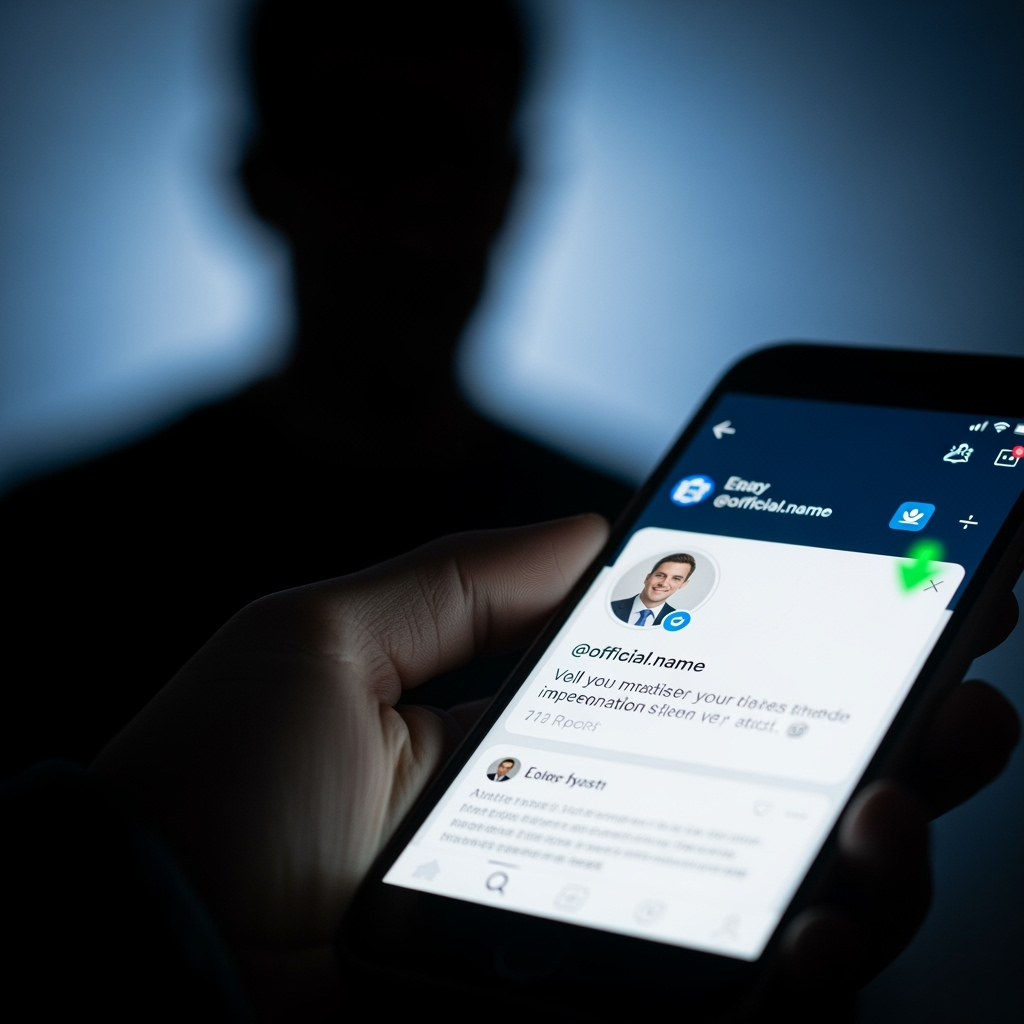
In the UAE, a fraudster impersonating a resident created a fake social media profile to deceive a friend into transferring money.
Zubair Awan, a Pakistani who has lived in the UAE for over a decade, was bombarded with messages on his official Facebook account over the weekend. Shortly after, his friends began reaching out via WhatsApp about a new Facebook account using his name.
The scammer, pretending to be ‘Awan’, claimed to friends he was stuck at an immigration checkpoint and urgently needed money. To make the ruse believable, the fraudster sent a blurred photo of supposed immigration officials interrogating someone.
Stay informed with the latest news. Follow KT on WhatsApp Channels.
Doubtful of the strange requests, several friends contacted Zubair directly to confirm the situation.
“After receiving multiple inquiries, I checked and discovered the account was fake. It wasn’t created by me, and my name was even misspelled,” Awan told Khaleej Times. “I quickly informed my friends and family about the impersonation. Sadly, before reaching everyone, my friend Madiha Mushtaq had already sent money to the scammer’s account,” said Zubair, 38, an accountant.
Zubair later clarified to her that it was a fraudster, not him, using a fake account.
Madiha Mushtaq shared her experience, noting that the impersonator first contacted her on Facebook and then moved the conversation to WhatsApp.
“The scammer sent images of Zubair in what appeared to be an immigration office, with police questioning him,” she stated. “Then I was urged to send money and arrange legal aid to prevent Zubair from being jailed. I panicked, fearing for his life and career, and transferred the money. He manipulated my emotions and trapped me.”
She admitted she failed to verify the account’s authenticity and called it “a hard but valuable lesson,” promising never to send money via social media without confirming through official channels. Mushtaq, who lost a substantial amount, has filed a case in Pakistan to recover the funds.
Agam Chaudhary, founder and CEO of Two99, warned that impersonation scams are becoming more sophisticated in the UAE, a country with one of the highest social media usage rates worldwide.
“Fraudsters often mimic profiles to trick friends and family into sending money. Awareness is the key to protection,” he stated. “Always verify duplicate friend requests through a direct call or verified account. Also, limit personal information shared online, as scammers use these details to make fake accounts appear genuine.”
Chaudhary urged people to report suspicious profiles promptly to prevent others from being victimized.
“Scammers exploit the trust placed in online communication,” he said. “My advice is simple – never send money based on a message or social media post, regardless of its urgency or emotional appeal. Always validate such requests through trusted means like a direct call, verified email, or in-person meeting. Use secure, reliable payment platforms.”