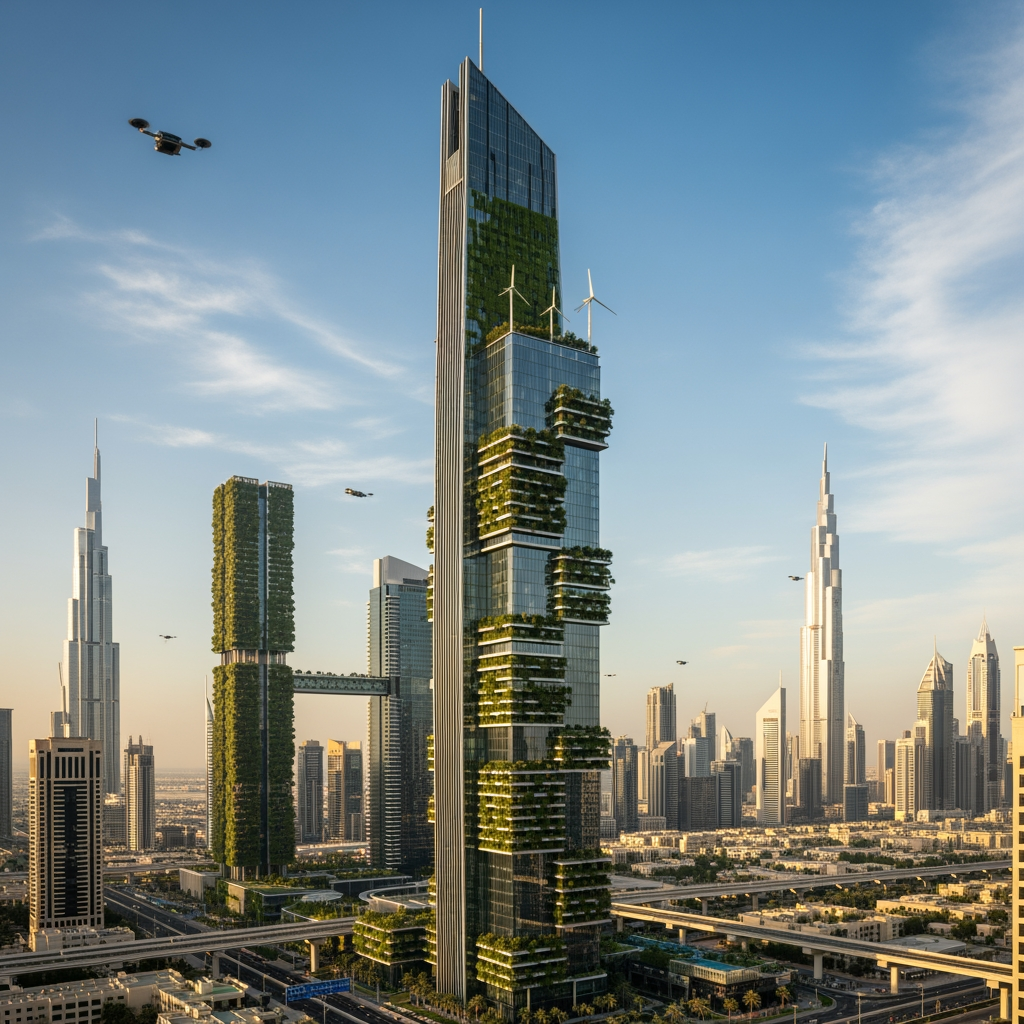
Envision a futuristic Dubai where towering trees serve as green skyscrapers, contributing to the city’s cooling. This vision is becoming reality with Re-Leaf, an AI-driven initiative that maps the cooling capabilities of trees, paving the way for greener, more habitable urban areas.
During Urban Future Week, Dubai Future Foundation CEO Khalfan Belhoul explained that the project, in collaboration with MIT Senseable City Lab, aims to enhance Dubai’s air quality.
Re-Leaf leverages technology to better understand trees’ cooling effects. It visualizes Dubai’s trees as ‘green skyscrapers’, guiding planners on optimal planting locations to maximize cooling and air quality. The project utilizes AI, advanced data, and environmental modeling for strategic urban greenery planning.
Stay informed with the latest updates by following KT on WhatsApp Channels.
Residents can access an interactive web app to compare greenery, explore thriving areas, examine individual trees, and assess their cooling impact. The map’s block heights represent area greenery, reshaping the skyline with trees instead of buildings.
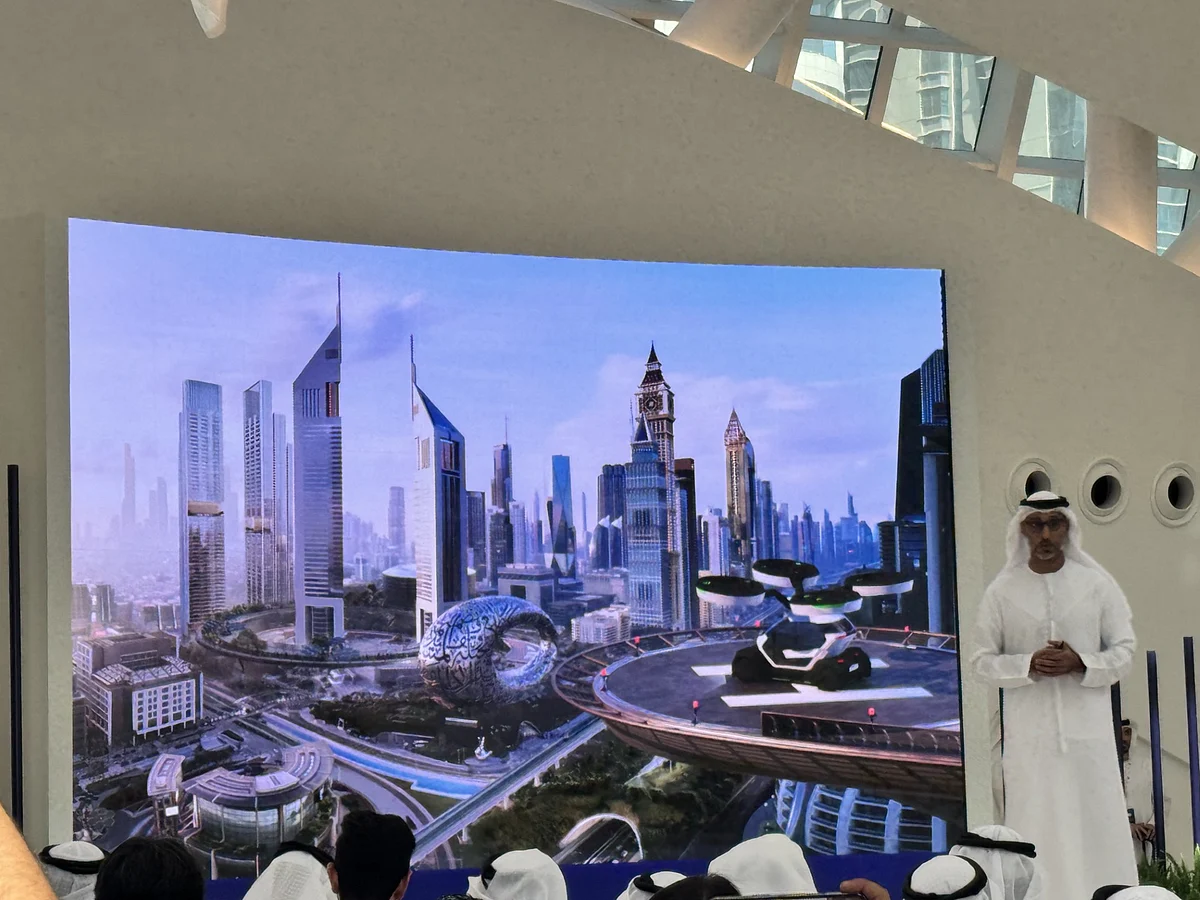
CEO of Dubai Future Foundation Khalfan Belhoul
Futuristic Dubai
Additionally, Belhoul shared Dubai’s ongoing urban future projects. “We support the Dubai Reef project, using robotics and marine technology to boost biodiversity and establish one of the world’s largest artificial reef systems,” he stated.
He mentioned robot-assisted last-mile deliveries as an initiative to reduce congestion, developed in collaboration with the Road and Transportation Authority. “We’ve tested and validated it, and anticipate live implementations soon,” he noted.
He also expressed enthusiasm for a gig-based economy, highlighting its potential to transform labor markets with short-term jobs over permanent positions.
“The sandbox platform facilitates testing of government innovation,” he added. “We believe in job ‘uberisation’ and foresee the gig economy playing a significant future role.”