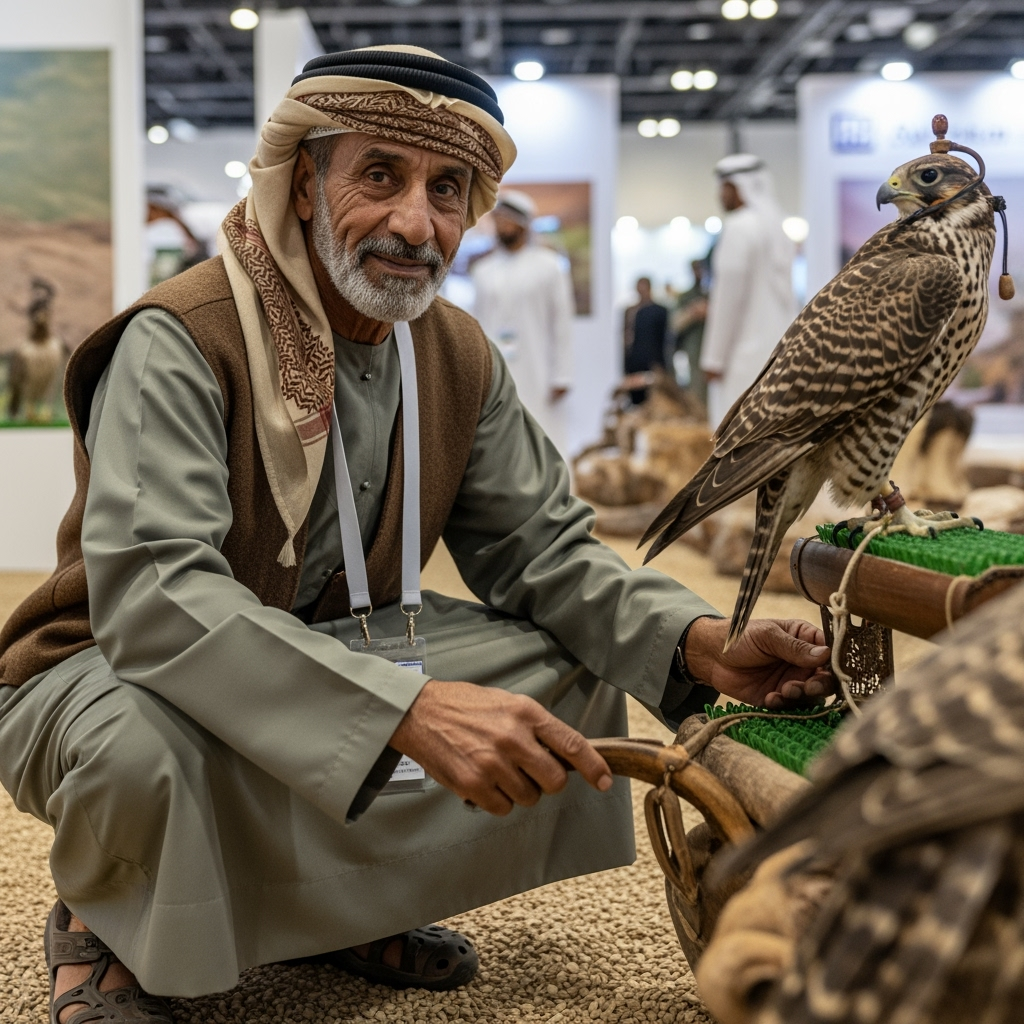
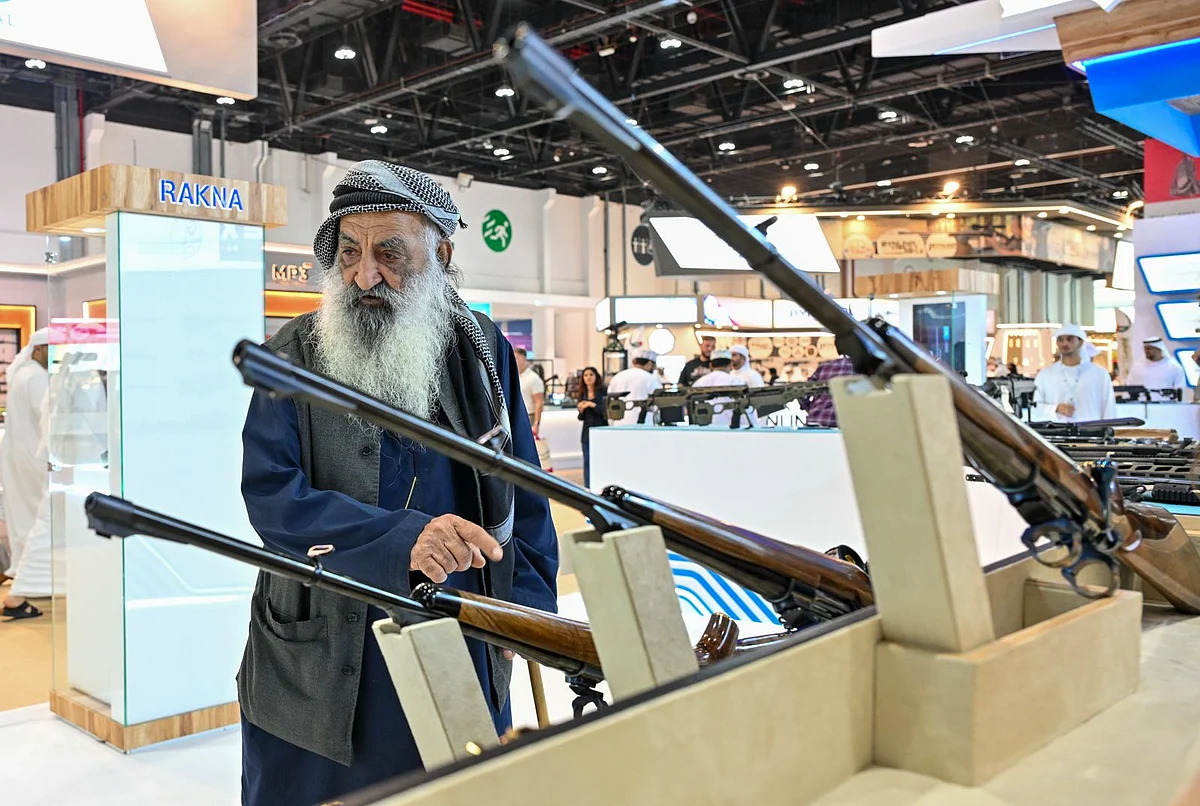
Ali Bin Mohamed, an octogenarian Emirati known as the “mountain man,” navigates the International Hunting and Equestrian Exhibition (ADIHEX) with the charm of a celebrity. With his cane, he occasionally pauses as visitors request photos. Each year, he drives from RAK to attend the event.
Growing up in the mountains during the 1940s through the 1960s, hunting and weapons were integral to his life; everything they hunted, from gazelles to foxes, was consumed. Carrying arms was essential for protection against wild animals and potential threats. After the Union’s formation and the transition to city life, firearms were restricted and stored at home “just in case” for defense. The retired soldier attends ADIHEX annually to view the latest weapons. “If I find something interesting, I might purchase it later in our area,” he told Khaleej Times.
Stay updated with the latest news. Follow KT on WhatsApp Channels.
He reminisces about encounters with vultures and wild animals, “like wild cats, foxes, and wolves, which we had to shoot to protect our livestock.” These animals, he says, “became extinct in that region; we haven’t seen wolves since the late 1960s.”
“I spent my early life in the mountains near Musandam. We had nothing but the mountains and its wildlife — no schools, no doctors, nothing.”
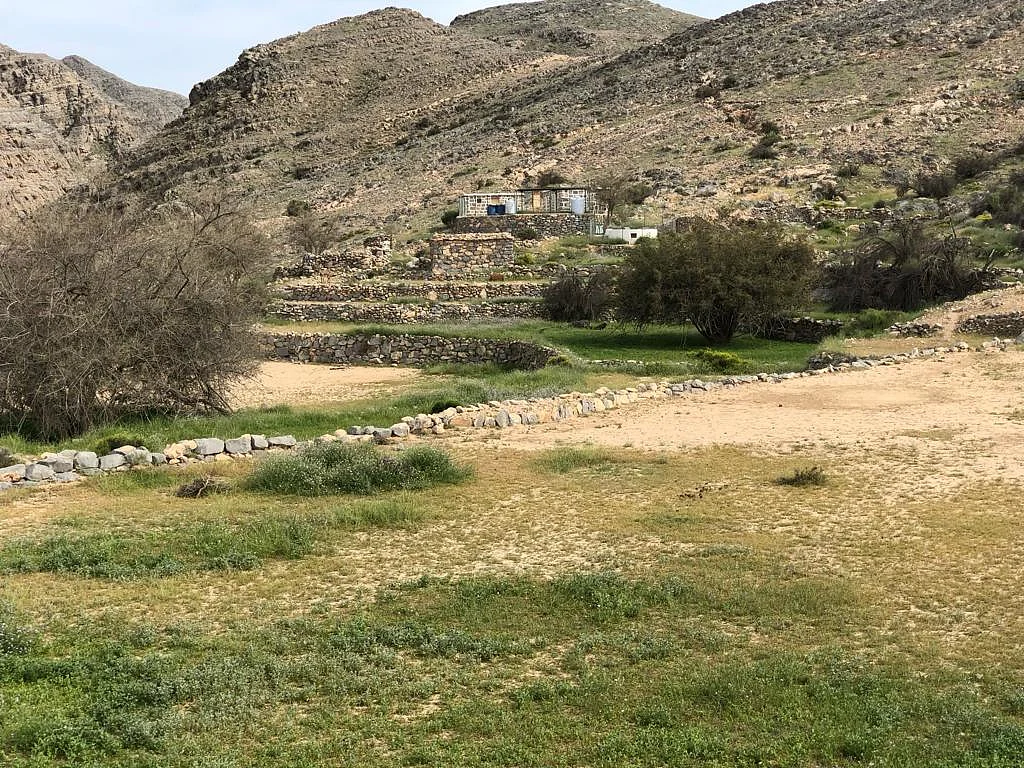
He’s unsure of his exact birthdate but believes he was born around 1944.
“As kids, we used hunting rifles like the Mauser. I hunted gazelles, foxes… The first prey I caught was a gazelle when I was 15,” he recalls.
“In those days, we also ate foxes, which tasted good. We would skin it, start by removing its tail, then cook it with date extract in hot water and herbs — and wore its fur…”
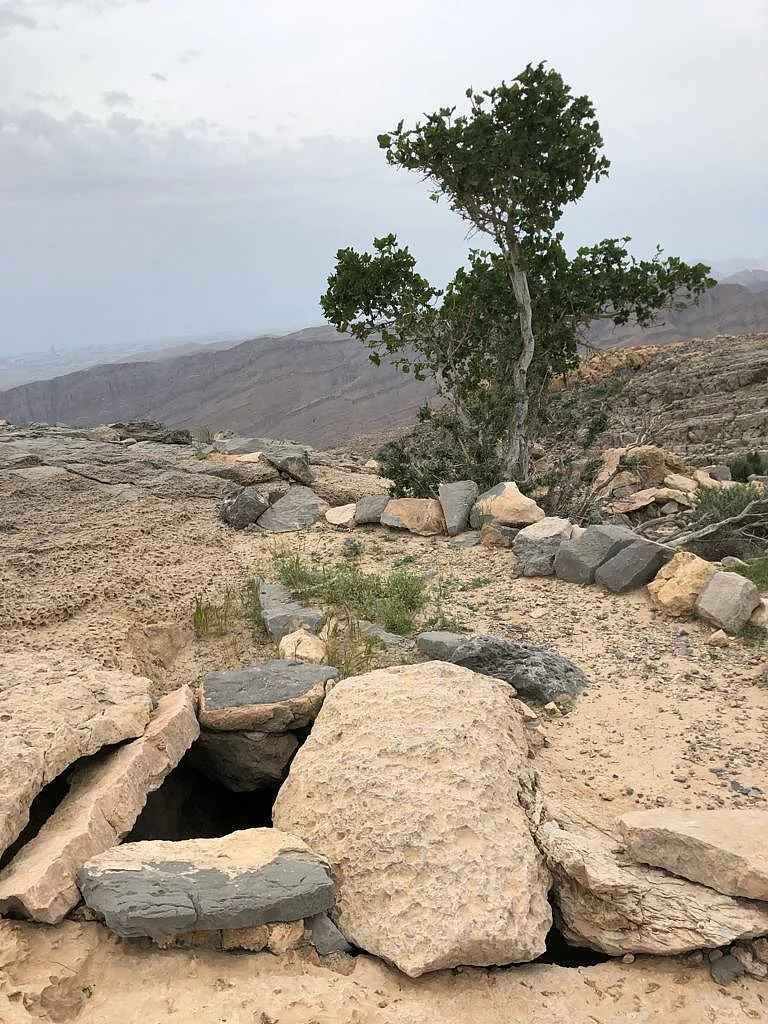
His mountain life ended shortly after Ras Al Khaimah joined the union in 1972. “We moved to the city, and I became a soldier. I also served in the Deterrent Forces during Lebanon’s Civil War, staying there for four months across various units in the eighties.” He retired on December 17, 1990.
At ADIHEX, he strolls among the stalls, admiring hunting rifles from M16s to Saktoon models, as passersby greet him or take selfies. When asked how people recognize him, they simply say he’s “an important man.” He humbly notes that he occasionally appears on local heritage shows.