The Danes and Norwegians embrace a lifestyle known as Hygge, which embodies a sense of coziness, comfort, and contentment. This is achieved by savoring life’s simple joys, such as a home-cooked meal with friends or sipping hot chocolate by the fire on a rainy day.
Hygge is also about togetherness, like picnicking by the river or in the park, and taking a break from stress and the daily rush. It often involves enjoying nature and engaging in basic human activities while leaving behind digital distractions.
Seeking a digital detox this summer, my family (my wife and two teenage sons) and I set off to experience a bit of Hygge ourselves. Our journey began in Copenhagen, Denmark’s stylish capital. From the moment we arrived, we noticed a difference. Most people walked or rode bikes, and the few cars we saw were mostly silent, electric ones. The pace was slower, and the atmosphere was calmer.
Copenhagen, a coastal city brimming with canals and waterways from the sea, was lively in summer. People swam in the canals, dived off piers, or relaxed on jetties. We hired a small electric boat for a few hours to enjoy the water as the locals do.
The city is also very walkable, and we clocked over 20,000 steps daily visiting local landmarks. Copenhagen is home to many statues, including the famous Little Mermaid, which locals advised us to skip. Instead, we indulged in the Danes’ favorite open sandwiches, called smørrebrød, which are artistic dishes eaten with a knife and fork. Typical toppings include egg and shrimp with mayonnaise and dill, or roast beef with remoulade, fried onions, and pickles.
Known for its colorful buildings lining Nyhavn, a 17th-century waterfront and entertainment district, and the King’s Garden, where picnics unfold under ancient trees, Copenhagen was unhurried. Shops closed early, and people seemed in no rush. We deliberately avoided mobile data, going online only via the hotel’s WiFi at day’s end, discovering how much more we could do without constant device use.
From Copenhagen, we flew to Bergen, Norway, where sea and mountains meet in a stunning setting. Bergen’s historic harbour, lined with brightly painted wooden houses, is surrounded by lush green hills and blue saltwater. Known for its rich fishing heritage, Bergen offers fresh seafood, including just-caught shrimp with lemon or silky salmon. At the main fish market, you can even sample whale steak among local delicacies.
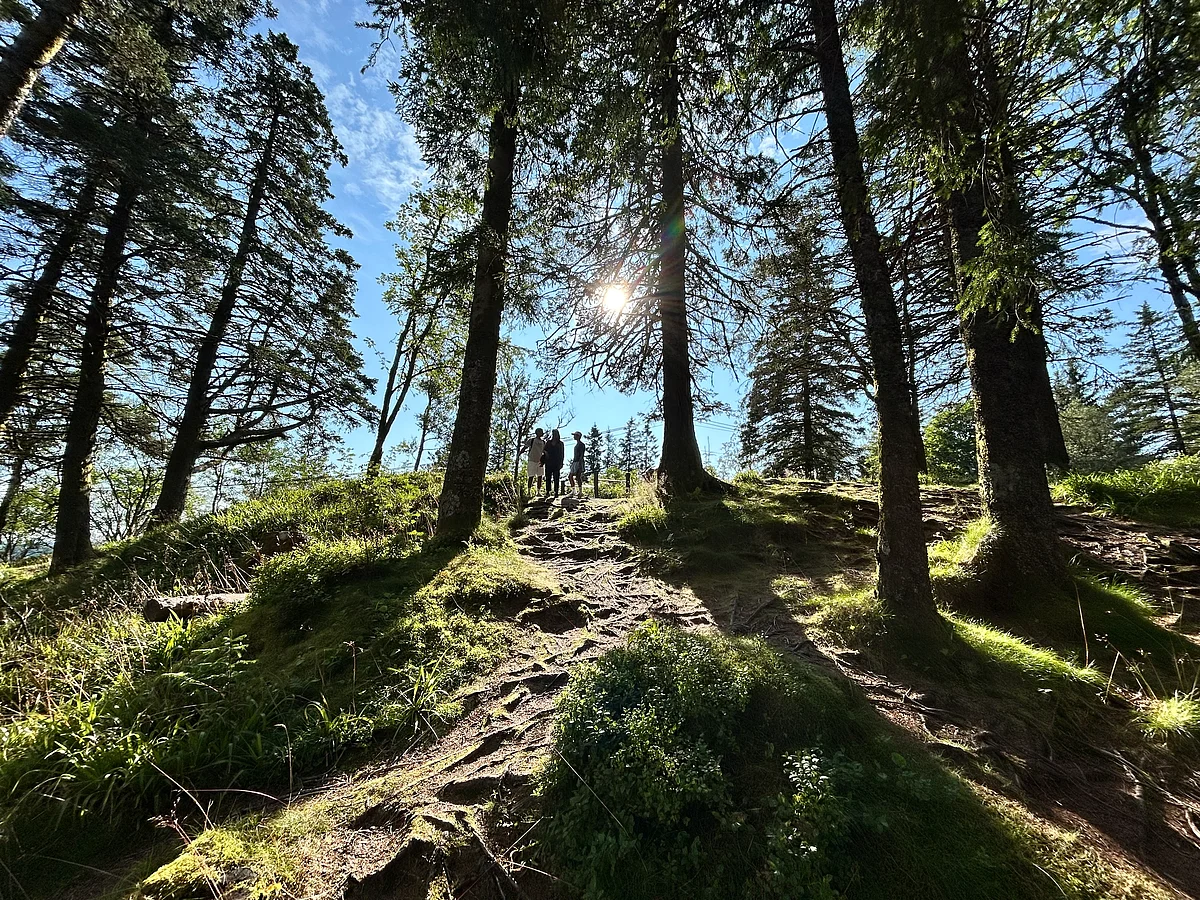
Bergen serves as a gateway to some of Norway’s most scenic hiking. Trails range from gentle walks with city views to steeper climbs into misty hills. One hike took us to the top of Mount Ulriken, overlooking the harbour and fjords below. It’s a 643m ascent with a Sherpa trail of 1,333 steps, but a cable car is available for those who prefer an easier route.
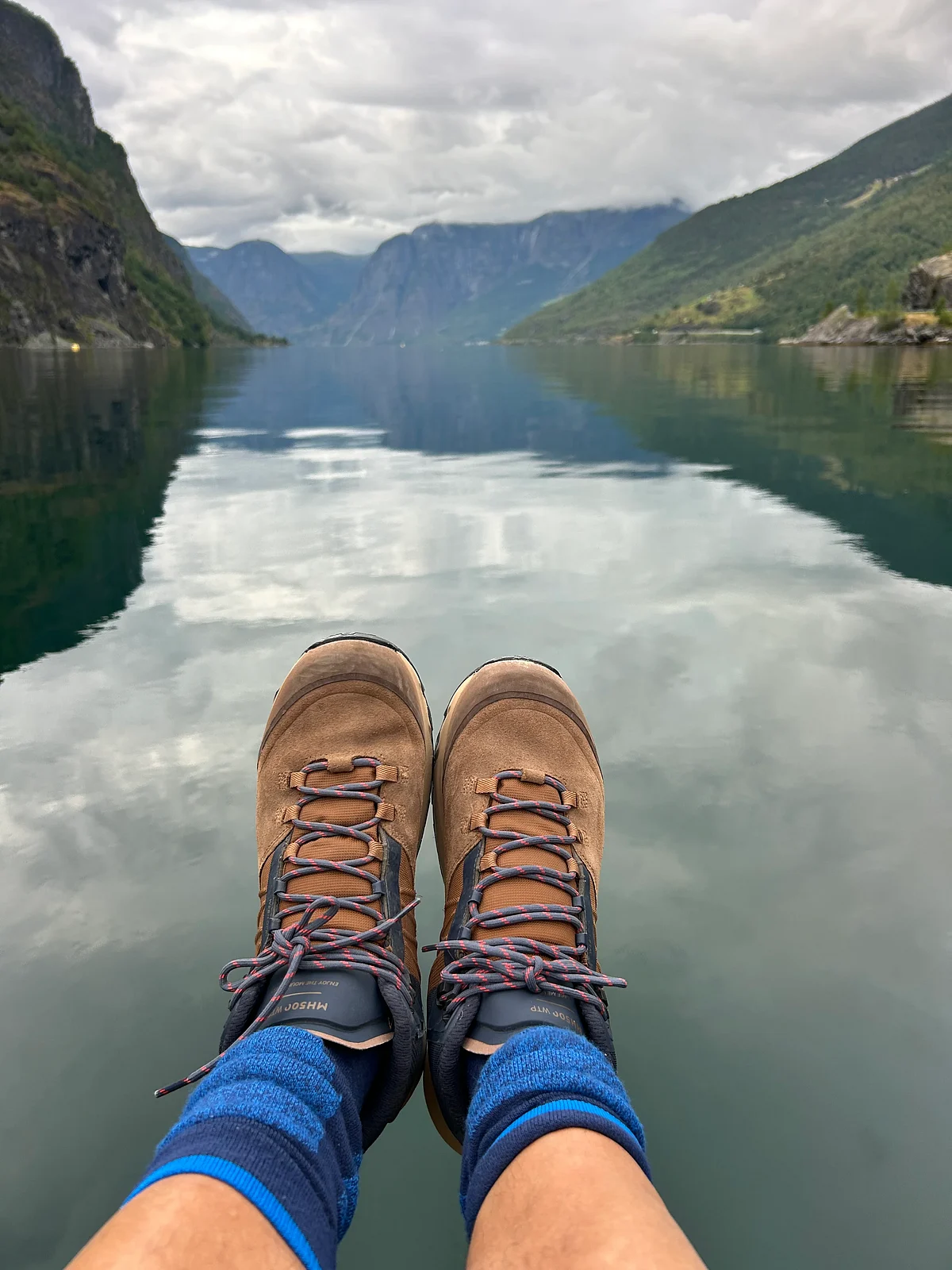
The next leg was a coach ride to Flåm, a fairy-tale village. The journey itself was an adventure, winding through valleys and alongside sparkling fjords. Flåm, encircled by steep cliffs and cascading waterfalls, is perfect for morning hikes. The sound of rushing water, the scent of pine, and the vast landscape quiet even the busiest mind.
The final leg of our journey was a five-hour train ride from Flåm to Oslo, one of the most scenic train journeys I’ve ever experienced. The Flåm Railway climbs steeply from sea level into the mountains, passing waterfalls, ravines, and postcard-perfect villages.
In Oslo, the pace is more like a bustling town than a city. Oslofjord provides a picturesque backdrop to a city of 700,000 residents. More parks, more walks, and by then, we were immersed in Hygge. Even in the capital, people prioritize life beyond work—cafés filled with people chatting, not glued to laptops; families strolling in parks. The trip was the perfect reset for me. Scandinavia reminded me that switching off isn’t about avoiding life—it’s about fully living it.