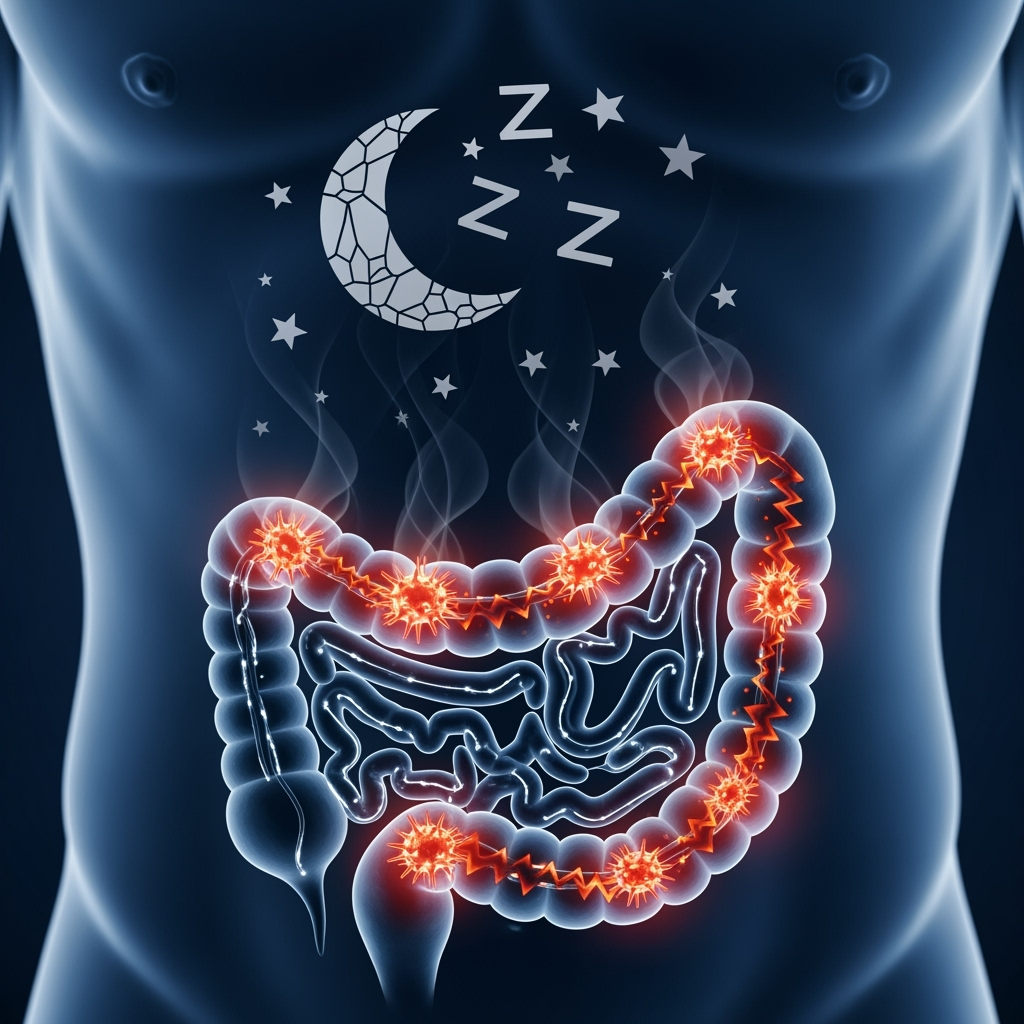
The study conducted by researchers from the United States revealed that an imbalance in gut bacteria might contribute to difficulty in sleeping, while lack of sleep in turn affects this balance, creating a complex circle, according to Science Alert. The site reported that the study, led by psychiatrist Changyong Shi from Nanjing Medical University, used the ‘Mendelian randomization’ technique to analyze genetic data of over 400,000 people. The results indicated that the bacterium ‘Clostridium innocuum,’ although not typically classified as ‘harmful,’ is associated with an increased likelihood of insomnia. Additionally, 14 types of bacteria were identified as associated with higher risks, while 8 other types may reduce this risk.
Meanwhile, insomnia itself was found to inversely affect the presence of 19 different bacterial types. It is believed that some bacteria influence chemical interactions in the body, which reflects on sleep quality. Although factors such as psychological stress and lifestyle still impact insomnia, researchers believe the role of the microbiome deserves further study.
These results open the door to innovative treatments, such as using probiotics or microbiome transplantation, to improve sleep, considering the complex immune and neurological interactions linking insomnia and microbiome changes.