Question: Is India actively working to accelerate cross-border transactions considering time zone challenges?
ANSWER: The G20 nations have aimed for 75% of cross-border payments to be completed within an hour by 2027. Time zones indeed pose challenges, as some banks close systems early, delaying payments. Currently, less than 10% of inward remittances are credited to Indian accounts within an hour. Delays also occur because banks often verify recipient details before crediting. SWIFT, a US-based payment messaging system, is promoting global best practices. The adoption of SWIFT-GPI has improved tracking and is being widely adopted. The Finance Ministry and RBI are addressing these issues with solutions. Additionally, India is crafting its payment system to minimize US influence and offer alternatives globally.
Question: Has campus hiring in India slowed down for engineering graduates?
ANSWER: Campus hiring in India is changing. A recent study shows a shift towards strategic skills alignment, with 73% of surveyed businesses expecting moderate to high growth. Key sectors include finance, life sciences, IT, healthcare, and consumer goods. Around 40% of companies plan to expand their workforce by over 10% this year. Companies are focusing on performance incentives and long-term retention, especially for engineers. They are building a skilled technical pool through workshops and training to meet business needs.
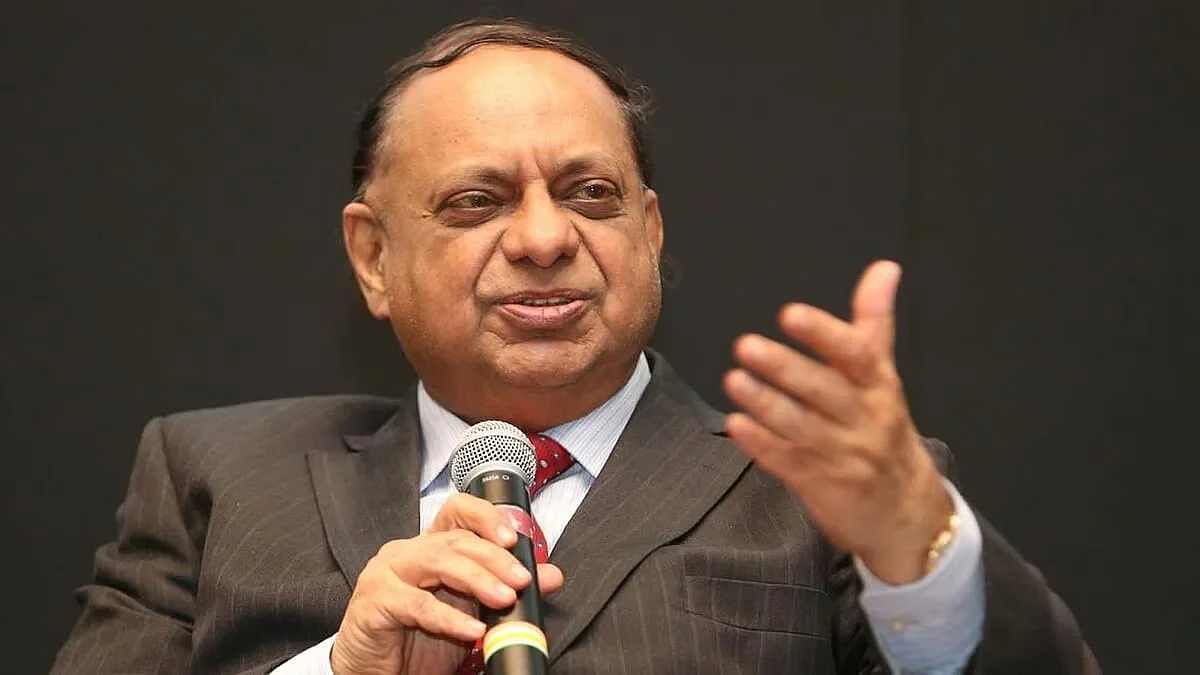
HP Ranina is a practising lawyer, specialising in corporate and tax laws of India.
Question: Is India leveraging its vast coastline for ocean resource development?
ANSWER: The Ministry for Earth Sciences identifies the Blue Economy as crucial for growth and sustainability. It includes ocean resources and infrastructure within India’s 11,098 km coastline and 2.4 million sq km EEZ. Sustainable ocean resource use aims to create jobs, support coastal communities, and protect marine ecosystems. Investments are modernizing seaports to enhance trade efficiency and competitiveness. Plans involve corporate partnerships for green logistics and marine biotech solutions. Initiatives like smart fishing and mangrove restoration are underway. India’s first thermal plant shows innovation in clean energy and water. Jobs in seaweed farming, maritime engineering, and data analytics are expected. India is strengthening ocean governance partnerships to protect marine biodiversity.
The writer is a practising lawyer, specialising in corporate and fiscal laws of India.