Araqchi told the Financial Times that “the destroyed nuclear machines can be replaced because we have the technology,” pointing out that Iran still has many scientists to restart its uranium enrichment program.
On June 13, Israel launched surprise airstrikes in an operation called “”, targeting military sites and nuclear facilities in Iran, primarily the main Natanz uranium enrichment facility. The Israeli strikes resulted in the death of several prominent Iranian nuclear scientists, military leaders, and officials, including Revolutionary Guard Commander Hossein Salami, Chief of Staff Mohammad Bagheri, and Aerospace Force Commander Amir Ali Hajizadeh.
Iran responded with missile strikes on Israel in a military operation named “True Promise 3,” targeting dozens of military sites and airbases in Israel, asserting that the operation would continue as long as necessary.
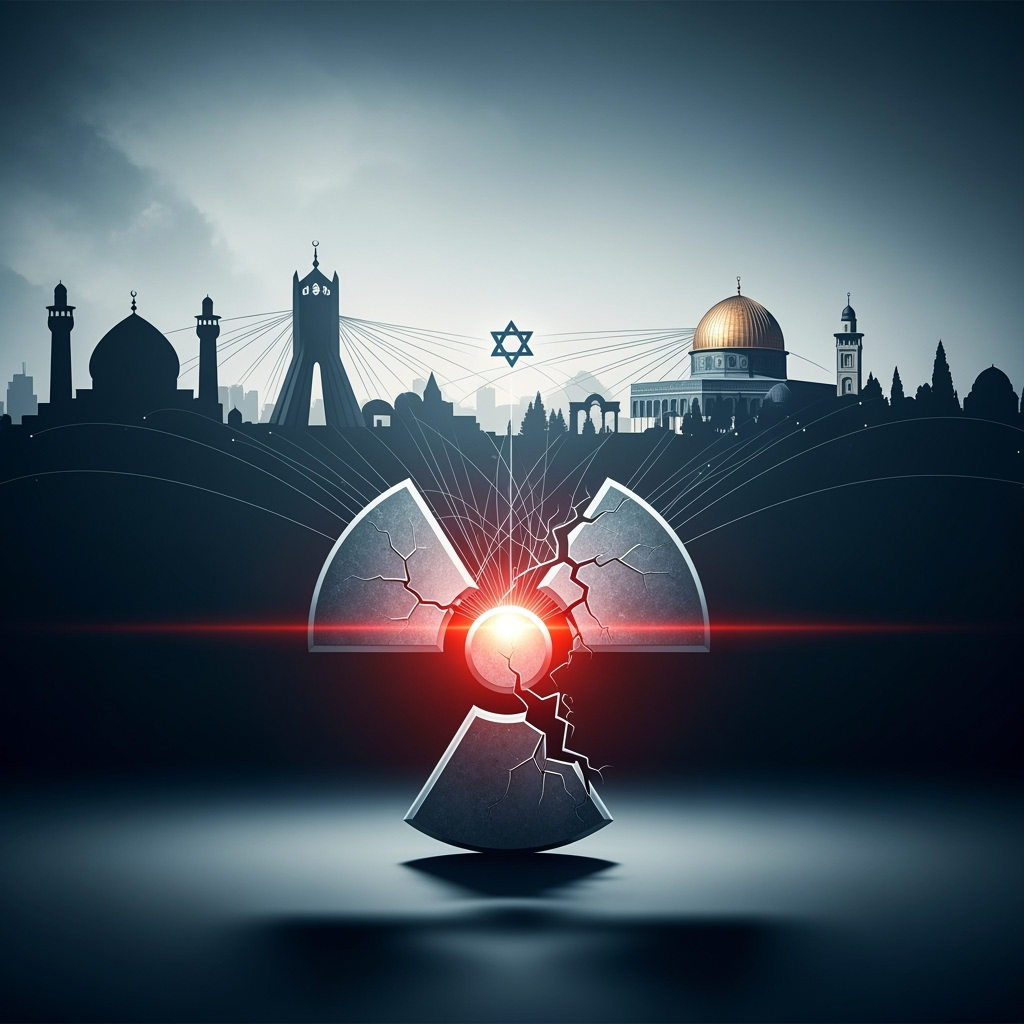
Israel justified its attacks by stating that Iran had reached a “point of no return” in uranium enrichment and was nearing the development of a nuclear weapon, which Tehran denies, insisting that its nuclear activities are solely for peaceful purposes.
Additionally, the United States attacked three Iranian nuclear facilities in Natanz, Fordow, and Isfahan on the night of June 22. According to Washington, “the attack aimed to destroy or severely weaken Iran’s nuclear program.” Days later, the Iranian Revolutionary Guard announced retaliation by striking the American Al-Udeid base in Qatar.