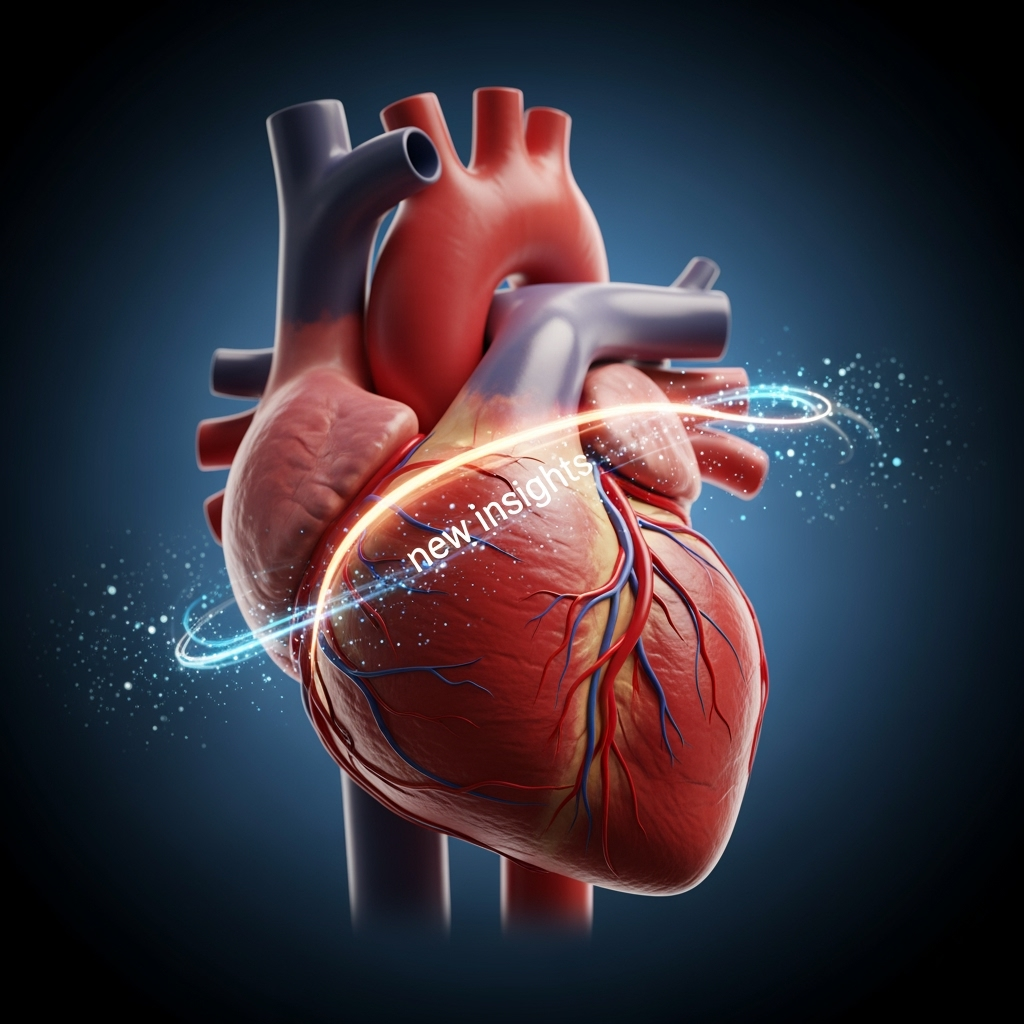
This new perspective reshapes the understanding of coronary artery disease, promising innovative pathways for diagnosis, treatment, and even prevention through vaccination. The research reveals that bacterial biofilms, within cholesterol-laden plaques in the arteries—a hallmark of coronary artery disease—can form quietly and persist for years or decades. These biofilms, which are gelatinous communities of bacteria, remain dormant and hidden, protected from the immune system and antibiotic treatments thanks to their dense protective matrix, as reported by the university’s website.
Professor Pekka Karhunen, who led the project, explains that this discovery dispels the prevailing belief that heart attacks are caused solely by oxidized low-density lipoprotein (LDL) and lipid-related factors. He states, “There has long been suspicion of bacterial involvement in coronary artery disease, but there has been no direct and convincing evidence.” The team found DNA from various oral bacteria within the arterial plaques, confirming the presence of bacteria and biofilm formation.
This discovery not only enhances scientific understanding but also paves the way for revolutionary diagnostics and treatments for myocardial infarction. More importantly, it suggests the possibility of developing vaccines that could prevent coronary artery disease and heart attacks by targeting these infectious agents. By shifting the model from cholesterol-focused theories to infectious agents causing heart disease, this research could bring a paradigm shift in cardiovascular medicine, saving countless lives worldwide.