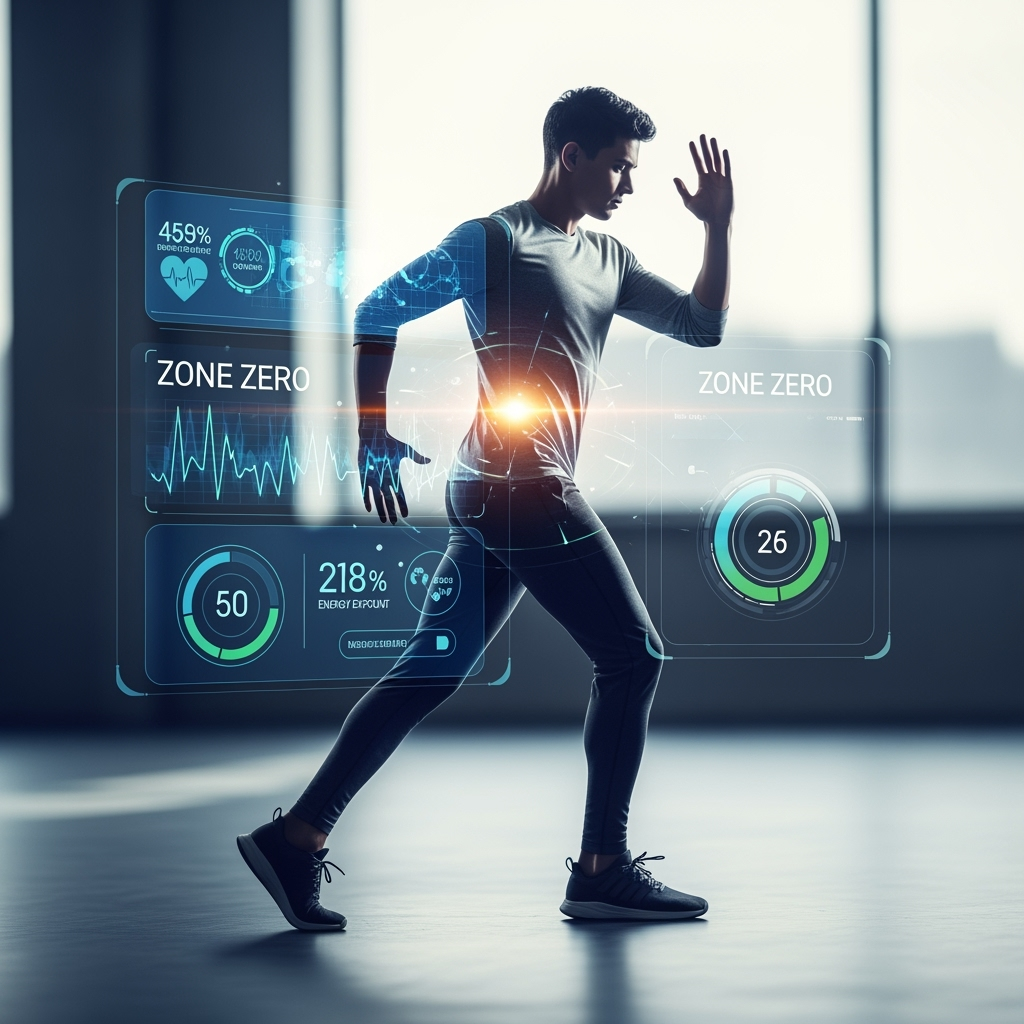
This idea contrasts with the culture of pushing oneself and stressing towards better results, prevalent in gyms and fitness apps. For some, it might mean a light stroll, for others, easy yoga, some stretching exercises, or even a walk in the park. The key is that your heart rate remains low; even lower than what many fitness trackers call Zone 1, as mentioned by a magazine. However, in recent years, this term has gained momentum outside research circles, becoming a shorthand for very light activity with surprising benefits.
One of these benefits is easy accessibility. Exercise advice often leans towards intensity, which might seem impossible for someone older, ill, or recovering from an injury. For example, a daily leisurely walk can reduce the risk of cardiovascular diseases. There’s also the matter of recovery; top athletes have long discovered that they can’t train hard every day since their bodies need space to recover.
Mental health researchers have noted another benefit: consistency. Many abandon exercise plans because they set the bar too high, whereas a routine based on ‘Zone Zero’ activities is easier to stick to. Zone Zero exercises can be a foundation to build other activities on, or they can simply be a standalone habit to boost health.
Evidence suggests that long periods of inactivity increase health risks even for those who exercise vigorously at other times. Adding more light and frequent movement throughout the day can be as important as occasionally engaging in intense exercise. Thus, exercising in Zone Zero is not about striving for personal bests but redefining the concept of exercise.