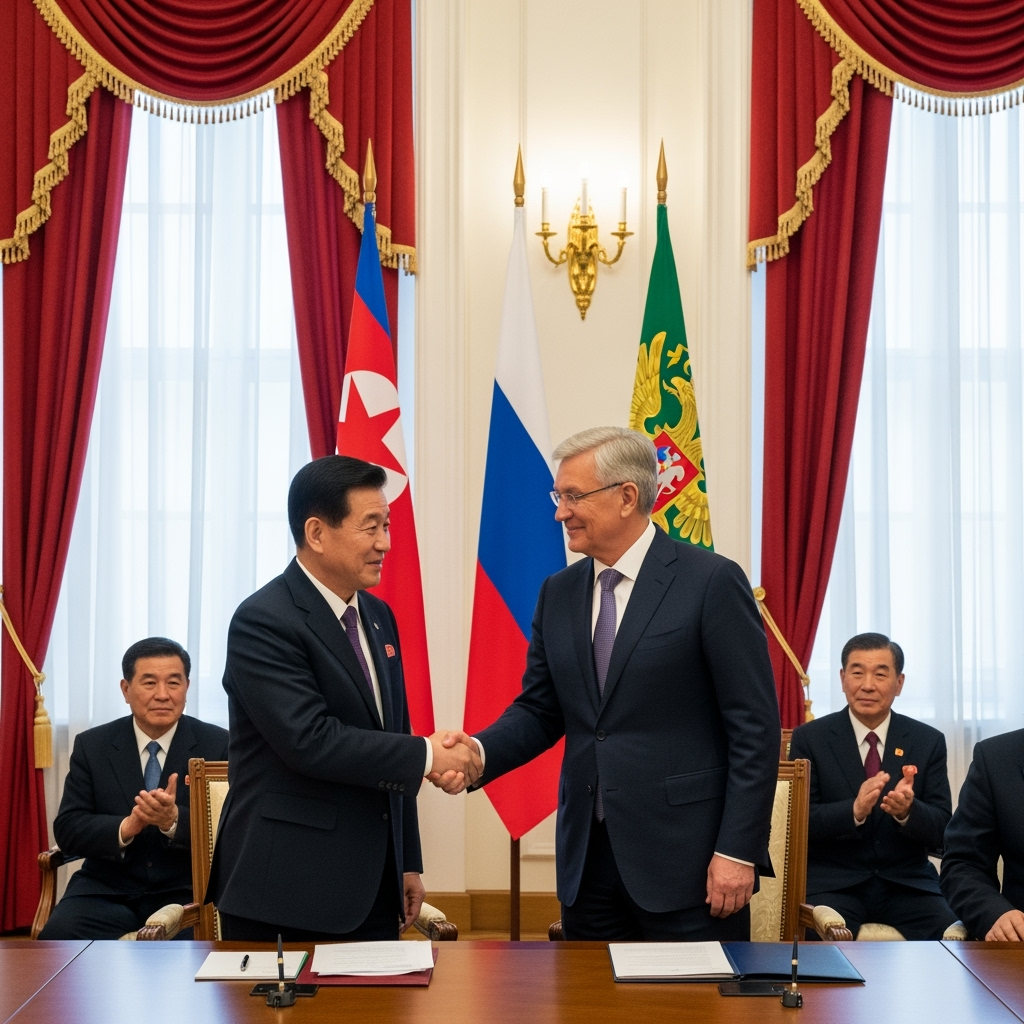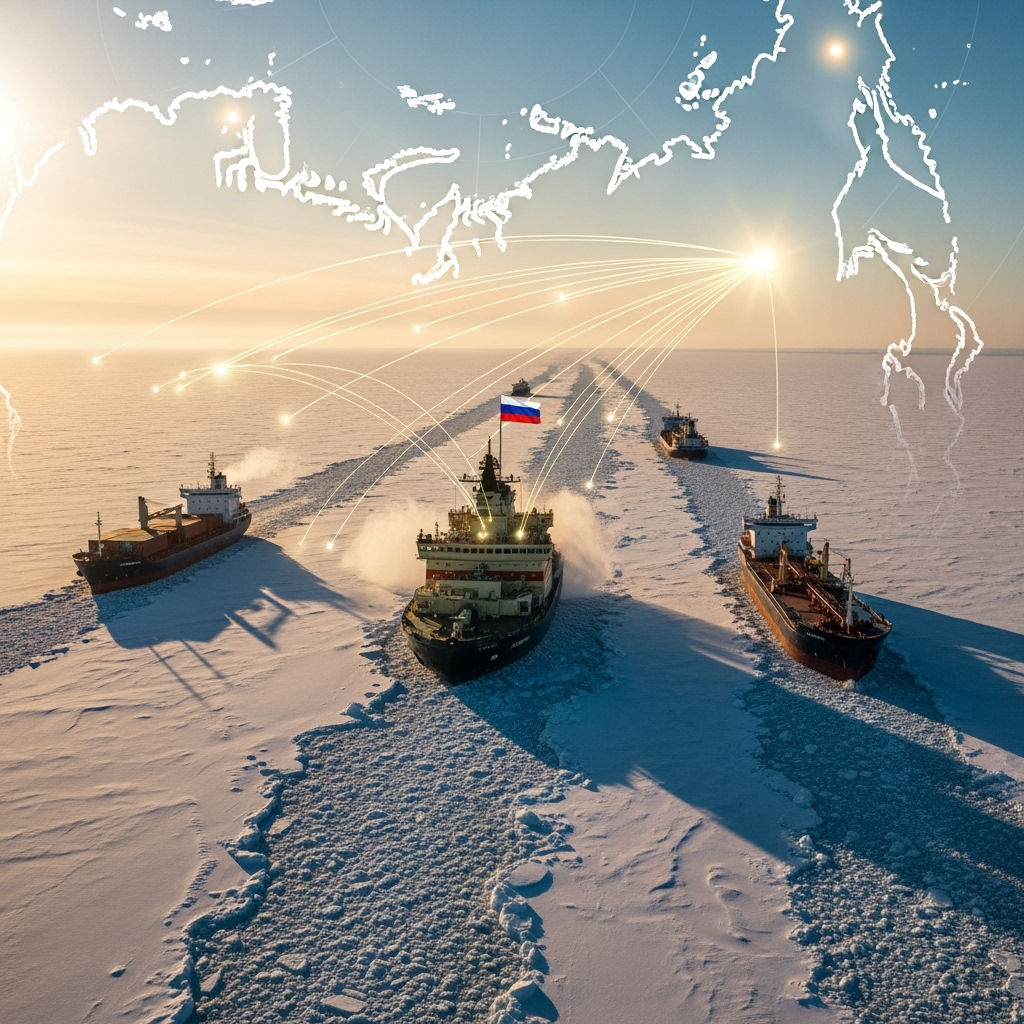
Hyun expressed his hope for the conflict in Ukraine to end as soon as possible, and for Moscow and Seoul to return to discussing issues related to the Northern Sea Route. The Foreign Minister explained that South Korea actively participated in related issues. However, all projects in this area were suspended after the crisis in Ukraine began.
Earlier this month, Russian President Vladimir Putin announced that Russia has noticed increasing interest in the Arctic route from both Russian and foreign companies. The Russian President continued, “We will develop the trans-Arctic route. We always talk about it, but as you noticed, I said and continue to speak about the trans-Arctic route because we concluded that we need, of course, to work with broader considerations.”
“This is a comprehensive system that unites sea, rail, and land transport. It will allow us to exploit the potential of our major rivers, such as the Ob, Yenisei, and Lena. Everything must work in one system. We must not only pave safe and reliable sea routes in the Arctic and establish a 24/7 working trans-Arctic route, but we also have work ahead of us on land, as they say, to develop communications, navigation, ship maintenance systems, and emergency rescue infrastructure. Of course, we are also talking about modernizing the seaports in the Arctic and the Far East.”
The transit of commercial ships through the Northern Sea Route can shorten the travel distance between Europe and Asia by thousands of kilometers, significantly reducing shipping times and costs. The Northern Sea Route serves as a strategic alternative to traditional trade routes passing through the Strait of Malacca, the Suez Canal, and the Panama Canal.