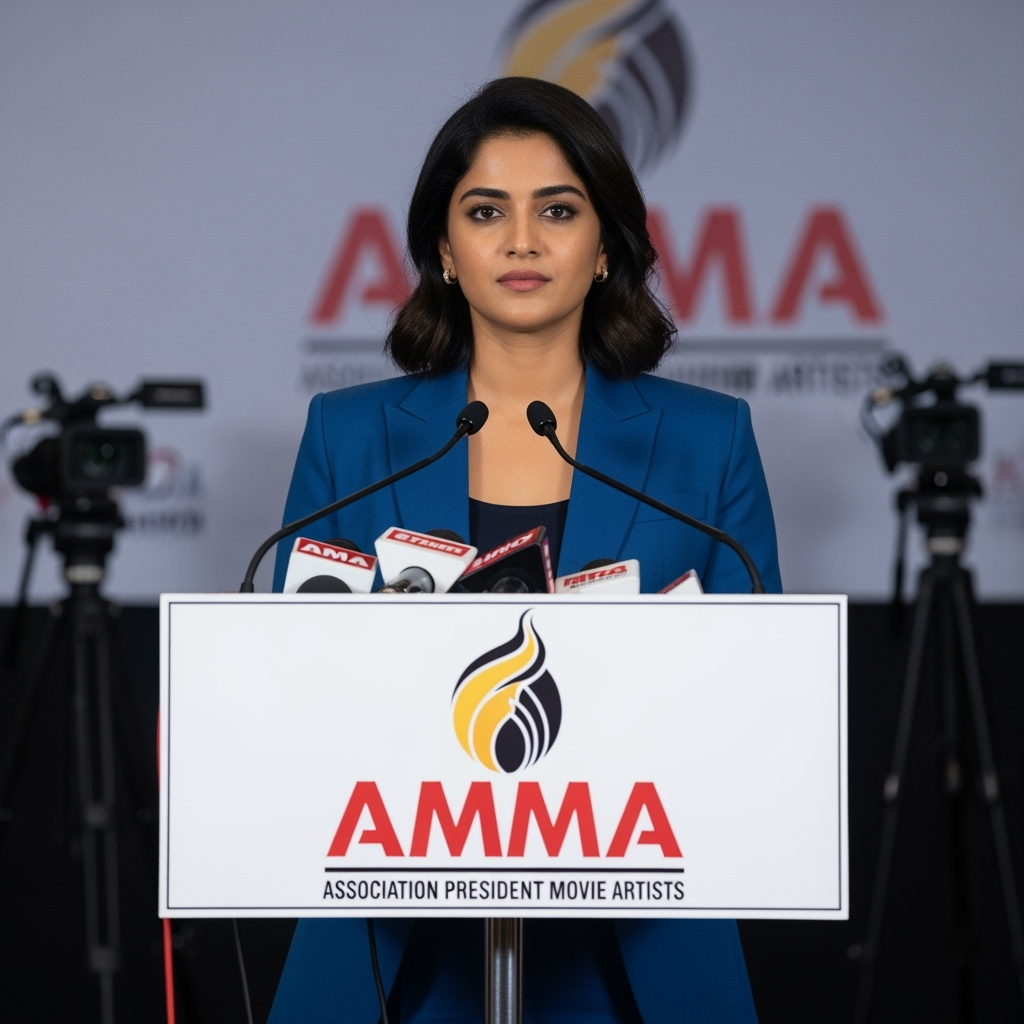
Renowned Malayalam actress Shwetha Menon recently made history by becoming the first female President of AMMA (Association of Malayalam Movie Artists), marking a significant milestone. Her election not only shattered a longstanding gender barrier but also attracted immense public attention, especially given the turbulent events leading up to her victory.
To provide some background: the previous committee led by Kerala superstar Mohanlal resigned collectively following the release of the Hema Committee Report. This report highlighted issues like sexual harassment, power abuses, poor working conditions, and misconduct involving key industry figures. The 17-member committee stepped down on ‘moral grounds’ to maintain the organization’s integrity amid widespread public backlash. Although the movement against sexual harassment in films was intense, it ultimately lost momentum, partly due to perceived inaction by AMMA’s leadership.
Despite the report not achieving full accountability, it reignited the #metoo movement’s relevance, fostering hopes that the Malayalam film industry, known for its groundbreaking cinema, would lead the charge in addressing these issues. A year later, progress seems underway with Menon becoming President and other women securing key positions. However, Menon’s ascent wasn’t without challenges. Just weeks before the election, she faced a peculiar legal case over “objectionable” content from her past films, which required court intervention to halt.
Menon’s hard-won victory brings significant responsibilities as she faces intense public and media scrutiny. In this interview with Khaleej Times, she discusses her preparedness for future challenges and her commitment to ensuring that AMMA combats patriarchy while supporting women artists.
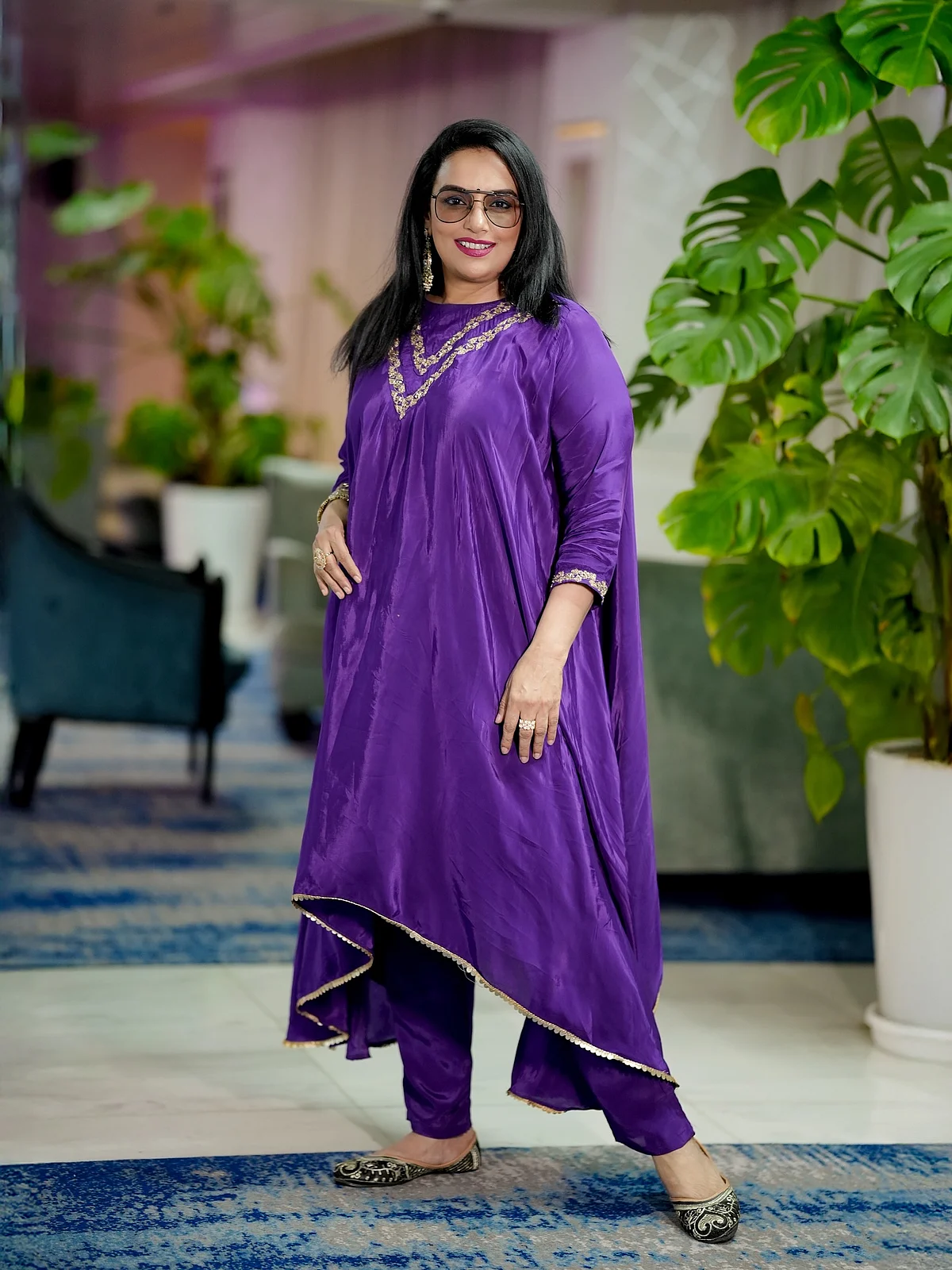
Your election as AMMA’s first female President is historic. Did you anticipate this outcome?
I was determined to put up a strong fight. From the moment I announced my candidacy, events unfolded rapidly, affirming my decision to stay in the race. The reality of my win settled in more quickly than I expected! There’s much work to be done, and our team is already in action. Was I expecting the result? I was confident about my chances, but I made sure to reach out to members and discuss my intentions with them.
When and why did you decide to run for this election? The position is quite prestigious in the Malayalam film industry.
After Lalettan (Malayalam icon Mohanlal) opted not to lead AMMA again, I felt ready to take on the responsibility, having served as a Vice President and gained sufficient experience. It is indeed a ‘hot seat’ due to the intense scrutiny from members, media, and the public. Yet, it offers a chance to enhance member welfare and AMMA’s standing, countering perceptions of indifference towards women’s issues.
I might be the most scrutinized President in AMMA’s history. My goal is to ensure our team, with Kukku (Parmeswaran) as General Secretary, excels, inspiring more capable women to assume leadership roles.
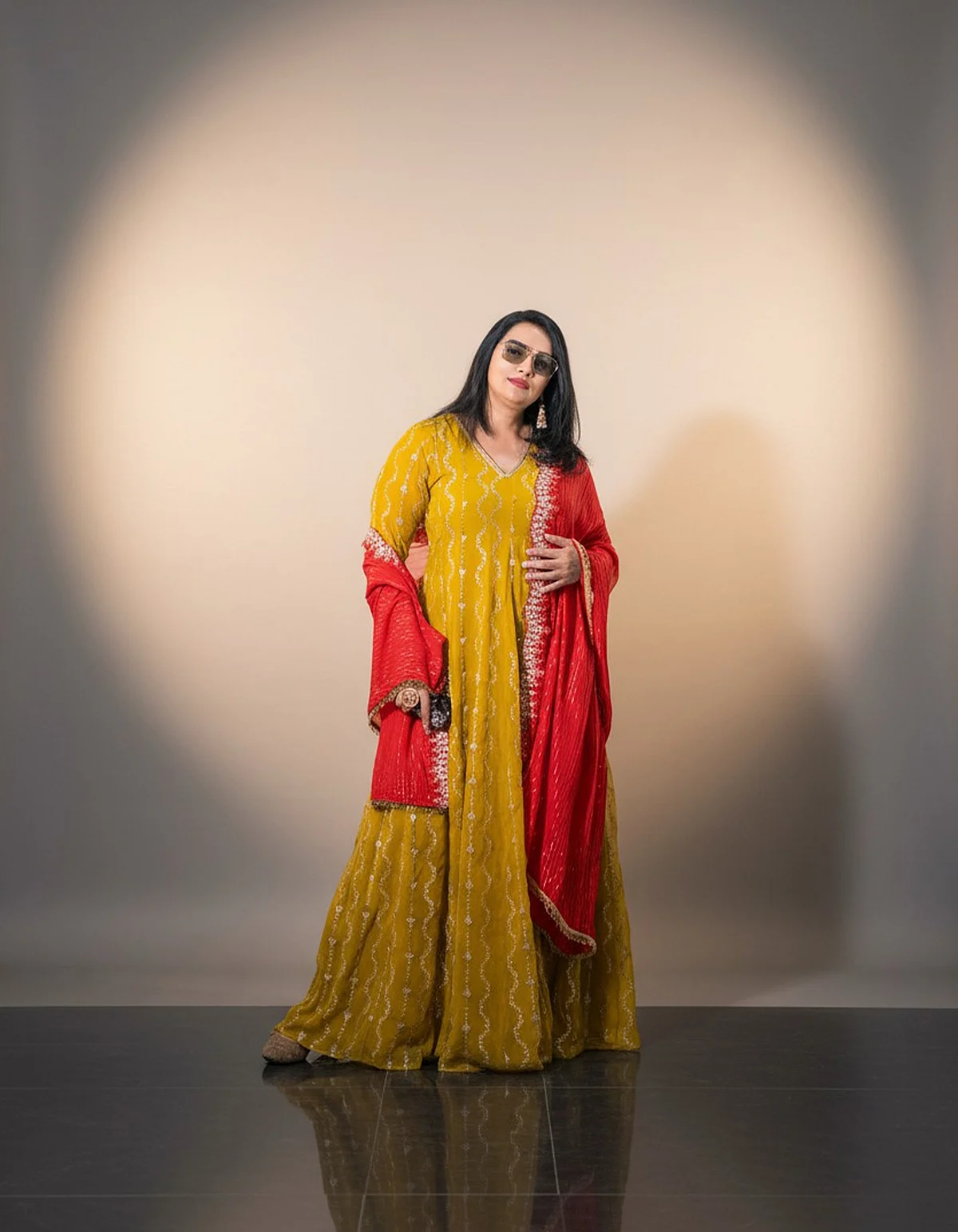
Your journey to the top was challenging, with legal battles and personal attacks before and after the elections. How did you manage those pressures?
While I anticipated obstacles, the bizarre case against me for acclaimed works in classic Malayalam films was baffling and absurd. However, I’m undeterred, thanks to the unwavering support from my family and associates. Their firm backing helped me navigate that unsettling episode. But I remain vigilant for future challenges.
Kerala is often seen as progressive. Why do you think it took this long for a woman to lead AMMA?
I view this differently. AMMA was founded for members’ welfare, embodying a charitable spirit reminiscent of our mothers, who are pivotal in our lives. Past leaders, with integrity and public backing, were chosen because members believed they were best suited. That’s how AMMA evolved to its current stature.
In the last election, there was a consensus that women should lead, resulting in numerous women in the governing body, not just me. It was a democratic process where every member’s voice was heard.
With women now holding AMMA’s top positions, how do you foresee this affecting the association’s culture and operations?
We aim to enhance our public image and operations, as members expect new ideas and sound administration. While the foundational culture is strong, our focus will be on transparency, accountability, and improved service.
You’ve said, “AMMA is now a woman.” How do you plan to translate that symbolism into tangible actions?
I believe that qualities like compassion, communication, and resilience will broaden AMMA’s acceptance. Women in leadership should encourage others to speak up about their issues. Our election has already generated positivity among members.
Symbolically, the influence of mothers is unparalleled. Seeing ‘AMMA’ on our letterhead is a source of pride, and we take our responsibilities earnestly.
In today’s context, what role should AMMA play? What expectations do younger and more vulnerable artists have?
AMMA should enhance industry conditions, especially for women, by adopting innovative practices from larger film industries. We’re exploring collaborations with legal and financial experts for member benefits. It’s a continuous effort with much to accomplish.
You’ve said AMMA must serve everyone. Do you think scrutiny will be more intense, especially on women’s issues?
Definitely. I’ve always advocated for my rights, receiving support both inside and outside the industry. We encourage members to voice their concerns, and AMMA will support them.
AMMA was previously criticized for passivity towards misogyny and harassment. How will you address these issues?
Having fought my battles, I’m committed to rallying AMMA around victims to ensure justice. We’ll challenge and change any obstructive mindsets, leveraging growing global support for women’s rights.
Regarding the Hema Committee Report: Which recommendations can AMMA realistically implement, and how will you ensure they’re not just theoretical?
The report isn’t an ‘elephant in the room’. Its awareness-raising impact was substantial, and we’ll continue to build on its insights.
Senior artists like Mohanlal remain influential. How will you work with them while empowering younger artists?
I appreciate Mohanlal, Mammootty, and others for their support, and value the younger artists’ trust in the new committee. Senior members offer valuable experience, and I’m open to their guidance. Young artists have pledged support for ambitious projects and fundraising, showing broad committee backing.
With acting, anchoring, and AMMA leadership, how will you balance your creative commitments with this role?
Balancing these responsibilities involves building efficient systems and structures to handle day-to-day activities, allowing me to maintain all my commitments.
Do you think your election will inspire more women in cinema to pursue leadership roles?
Absolutely. This should be a desired outcome, as women can contribute effectively and transparently. As India promotes women’s roles in economic spheres, cinema should follow suit.