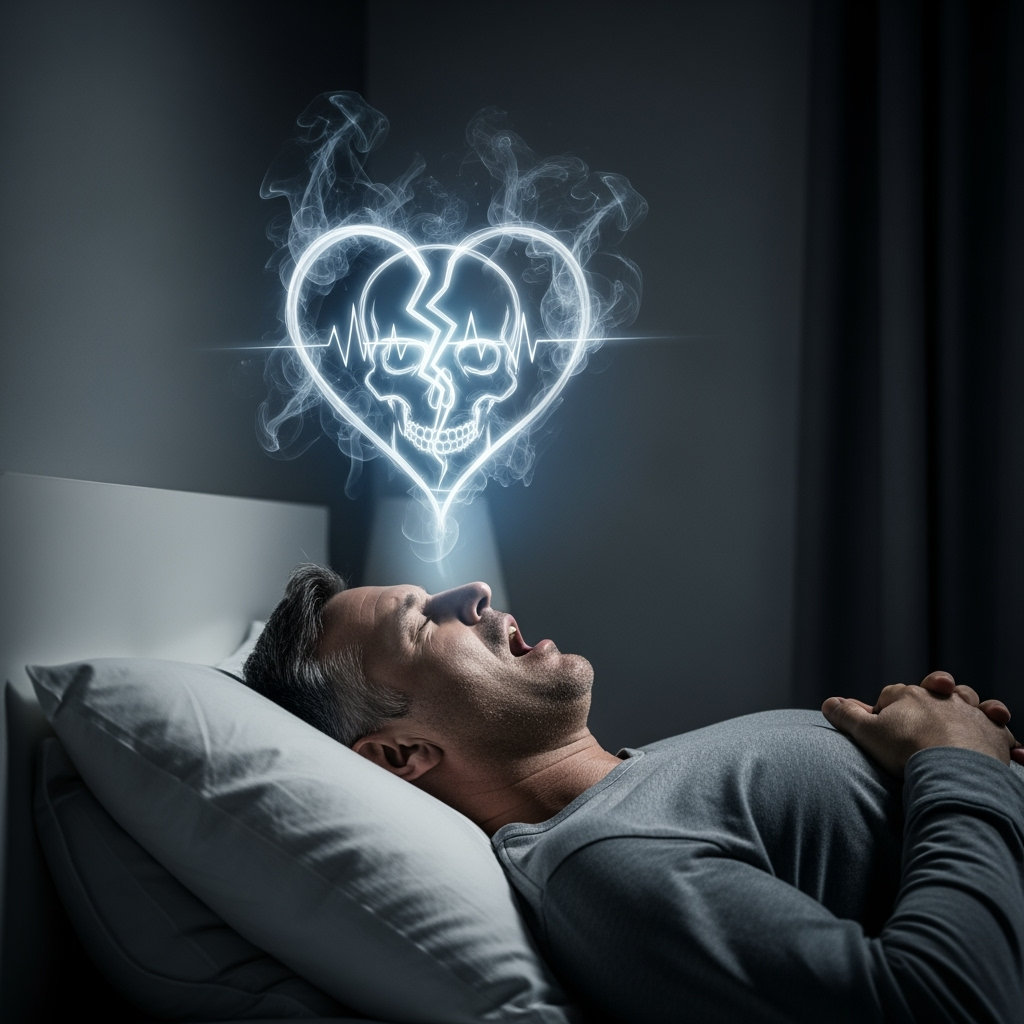
Do you find yourself snoring at night, feeling unusually tired during the day, or nodding off while driving? Doctors in the UAE caution that these symptoms might indicate more than a mere annoyance. Studies reveal that 50% of loud snorers suffer from sleep apnea, a serious condition that disrupts breathing during sleep. Previously considered harmless, snoring is now recognized as a warning sign for disorders like high blood pressure, strokes, heart disease, and diabetes if untreated.
“Snoring should never be ignored,” stated Dr. Yasser Madani, consultant pulmonologist at Healthpoint, Abu Dhabi. “Even if it seems minor, it warrants investigation. Half of loud snorers have sleep apnea, and the consequences can be severe.”
Stay updated with the latest news. Follow KT on WhatsApp Channels.
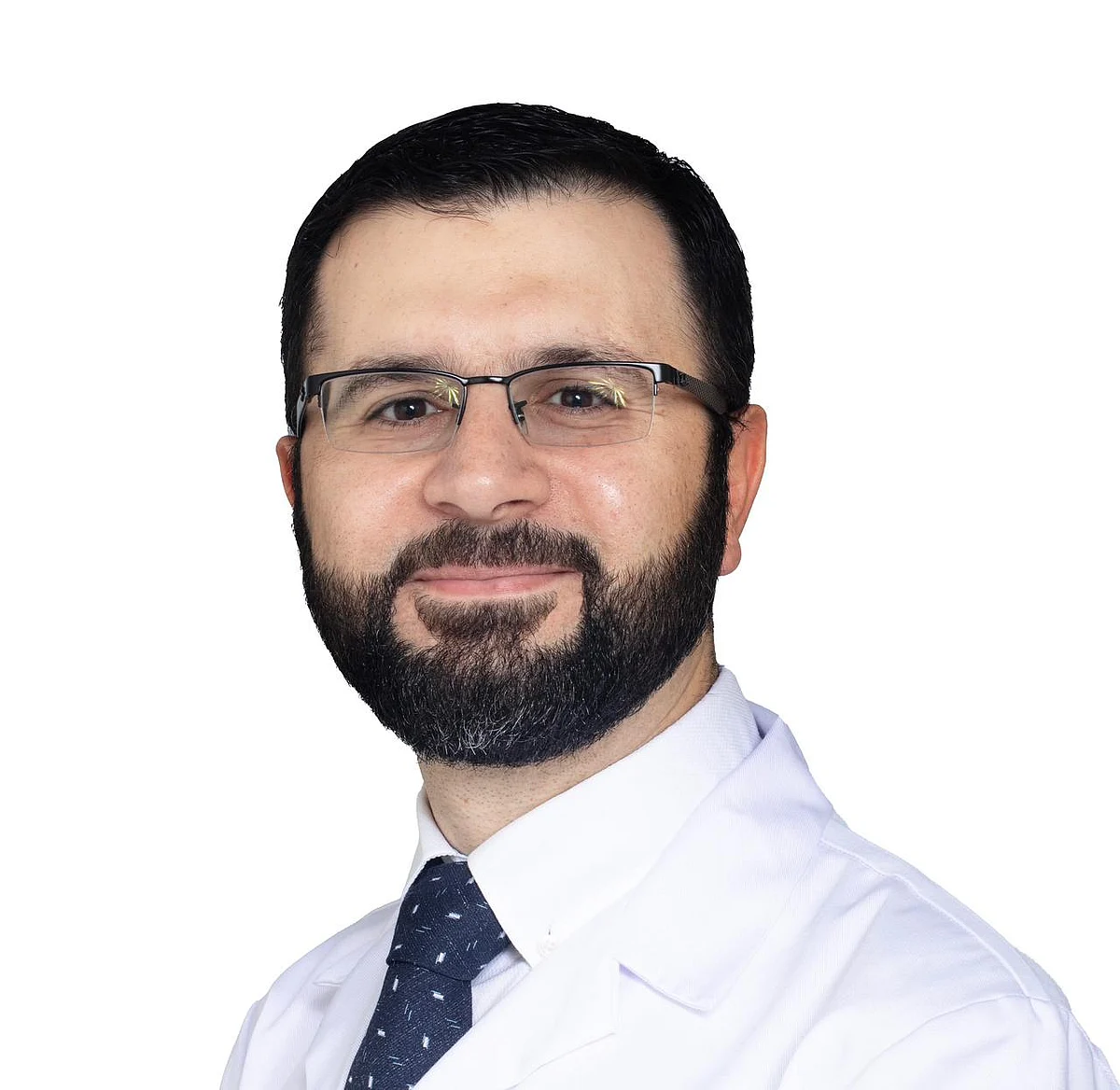
Dr. Yasser Madani
To meet rising needs, UAE clinics are introducing new diagnostic and treatment technologies, such as drug-induced sleep endoscopy combined with polysomnography (DISE-PSG) and AI-powered ultrasound screening. These innovations assist doctors in identifying airway obstructions and customizing treatments for patients who cannot tolerate traditional CPAP machines.
Traditionally, sleep apnea is diagnosed using an overnight polysomnography test. Although accurate, it is cumbersome and time-consuming. UAE hospitals are now adopting faster and more precise diagnostic methods. At Healthpoint in Abu Dhabi, Dr. Madani and his team employ DISE-PSG, which allows them to observe the patient’s airway during a sleep-like state. “This helps us pinpoint the obstruction and offer tailored treatments, especially for those who cannot tolerate CPAP,” he explained.
In Dubai, GluCare Integrated Diabetes Center has introduced the region’s first AI-powered ultrasound device for sleep apnea screening. Dr. Yousef Said, medical director at GluCare, stated that the tool, in use for about six months, aims to make diagnosis faster, easier, and more patient-friendly. “Traditional sleep studies measure oxygen drops to confirm problems,” he said. “Our device goes further, showing anatomical structures causing obstruction like a thick tongue base, fat deposits, or a low-positioned hyoid bone. This enhances personalized treatment.” The AI tool is FDA-cleared, CE-marked, and 95% accurate for detecting high-risk patients, according to Dr. Yousef. “It takes less than 10 minutes, involves no radiation, and is less intimidating than spending a night in a sleep lab.”
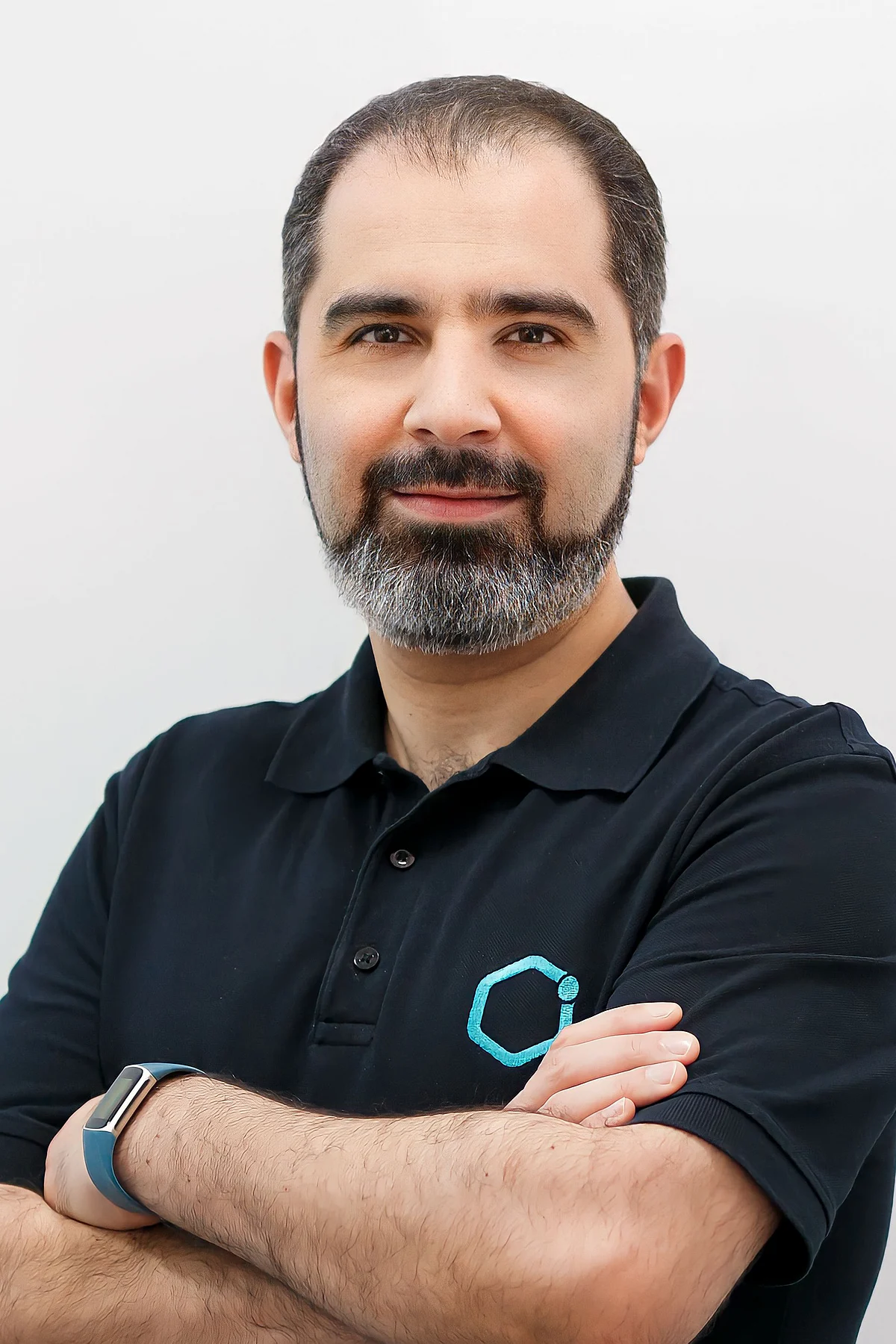
Dr. Yousef Said
Experiencing the 10-minute AI test
At GluCare, I tried the ultrasound test. The technician asked me to close my mouth and nose, simulating airway collapse during sleep. Within minutes, the AI software provided a detailed airway analysis, indicating a 54% medium risk for sleep apnea and highlighting a hyoid bone structural issue.
Dr. Yousef explained, “In your case, weight gain increases the risk as fat around the airway reduces space. You noticed symptoms earlier this year after gaining weight.” The test illustrated how weight loss could reduce risk by creating more airway space, alongside treatment options like CPAP masks, oral devices, or surgery in severe cases.
The vicious cycle of weight and sleep
Obesity is the leading cause of sleep apnea, but the relationship is reciprocal. Poor sleep worsens metabolic health. “About 50% of obese patients and 60% with metabolic diseases like diabetes or heart disease also have sleep apnea,” said Dr. Yousef. “It’s a vicious cycle. Obesity increases apnea, worsening sleep, raising appetite hormones like ghrelin, and reducing leptin, leading to more weight gain and higher risk.” New weight-loss medications offer hope. “Drugs like Mounjaro (tirzepatide) are the first approved for obstructive sleep apnea due to significant airway fat loss,” Dr. Yousef noted.
A patient’s story
H.A.N., a 52-year-old Abu Dhabi resident and mother of three, first noticed her sleep problem two years ago when her husband observed breathing interruptions at night. “I felt normal, unaware of any problem. My husband noticed during his late nights. He insisted I see a doctor, and I realized the condition’s danger,” she shared.
She underwent an overnight sleep study with sensors monitoring her breathing. Post-test, she was prescribed a CPAP machine costing around Dh4,000, covered by insurance. “I wore it for a month; my husband noticed improvement, but I was uncomfortable. It kept shifting and waking me,” she recalled. Instead, H.A.N. focuses on a natural approach by improving her lifestyle. “I’m following a healthier diet, losing weight at my own pace,” she said, adding she won’t consider surgery. “If fat builds up again, surgery might be pointless.”
A patient’s recovery
Dr. Yousef cited a case of a severe sleep apnea patient, exacerbated by obesity. “A mid-40s man with a BMI of 34 and type 2 diabetes, flagged as high-risk through our AI screening.” Enrolled in GluCare’s weight management program, combining remote coaching and digital tools, he started GLP-1 medication.
“Over six months, he lost 10 kg, of which 9 kg were fat mass. Symptoms visibly improved,” Dr. Yousef reported. “His loud snoring disappeared, and he felt more rested and energetic.” Dr. Yousef concluded, “This case illustrates the significant improvement in sleep apnea symptoms with structured care and weight loss.”
Treatment options
Doctors emphasize tailored treatment approaches, generally including:
-
Lifestyle changes and weight loss
-
CPAP machines to keep the airway open
-
Oral appliances to hold the tongue forward
-
Surgical interventions for severe anatomical issues
Both doctors highlight integrated care. “We screen for diabetes, cholesterol, and metabolic conditions alongside sleep apnea,” said Dr. Yousef. “Treating apnea often improves these conditions.”
Why surgery is not the first choice
New technologies enhance sleep apnea diagnosis, but treatment remains patient-specific. Dr. Yasser Madani emphasized surgery is a last resort.
“Surgery is invasive with risks. We start with CPAP, lifestyle changes, oral appliances — less invasive therapies. Surgery is considered if these aren’t tolerated or if specific anatomical issues exist,” he explained.
Even after surgery, symptoms often return due to anatomical changes or weight gain. “We stress ongoing management and follow-up. Surgery isn’t a cure, but a tool,” Dr. Madani added.
The biggest challenge is undiagnosed cases. Many dismiss their symptoms as tiredness or stress. “Snoring isn’t just noise; it’s a warning sign,” said Dr. Madani. “Early detection leads to better outcomes. New technologies enable quick, easy screening.” If you snore, wake up gasping, or feel excessively sleepy, testing is worthwhile, concluded the pulmonologist; technology now allows it in minutes.