UAE university students have innovated with projects like an AI tool that simplifies complex text and a smart bracelet that converts announcements into vibrations. These ideas aim to enhance life using AI, wearables, and cultural design, making it smoother and more inclusive.
These projects triumphed in the first Universal Design for Inclusion Program (UDIP), organized by the National Multiple Sclerosis Society (NMSS), announced on September 17.
Over 80 students collaborated on more than 30 design projects addressing cognitive, communication, and mobility challenges faced by individuals with multiple sclerosis and other chronic conditions.
Stay informed with the latest updates. Follow KT on WhatsApp Channels.
Khaleej Times interviewed the category winners. The ‘Cognitive’ category winner, Lexy, developed by Kalkidan Getnet, Eden Yoseph, Filmon Nezif, and Zarak Khan from the Higher Colleges of Technology, Sharjah, is an AI-powered tool that adapts complex text to the reader’s level in real-time.
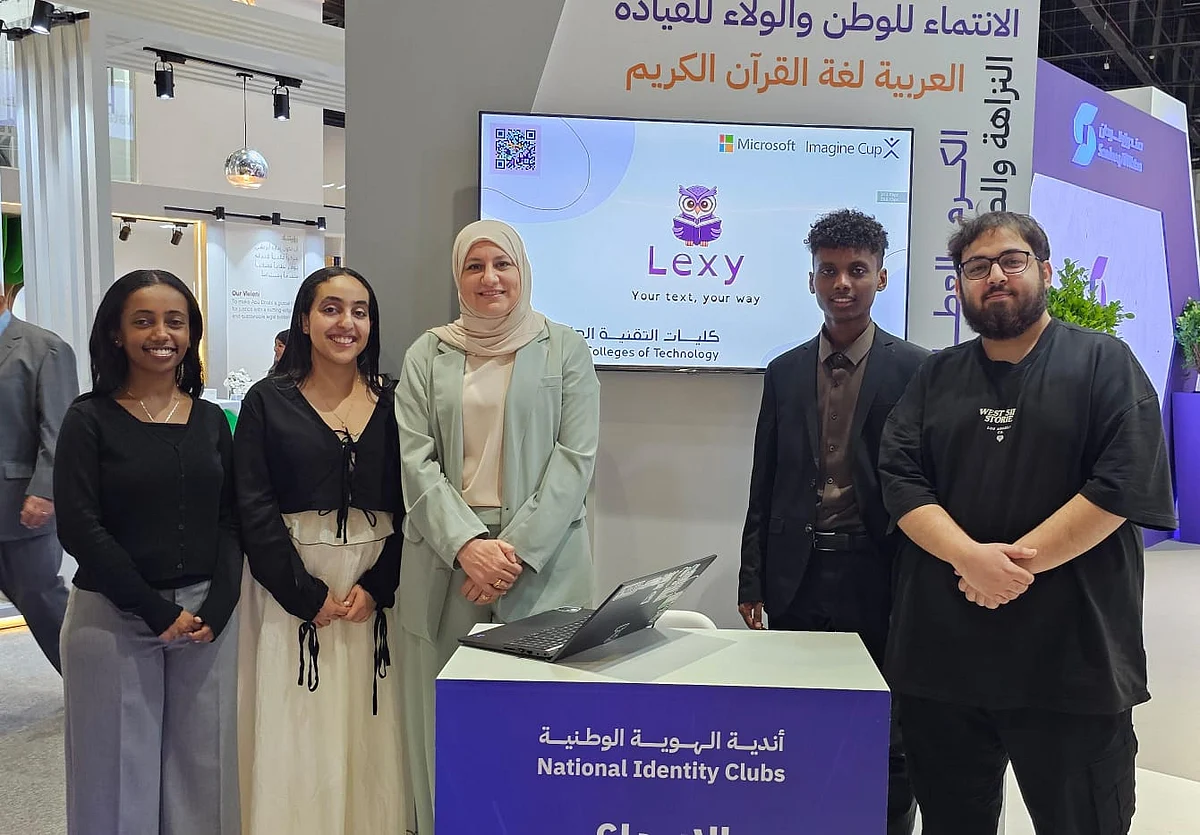
Team Lexy. Left to right: Kalkidan Getnet, Eden Yoseph, Dr. Nur Siyam (mentor), Filmon Nezif, Zarak Khan
“Our team realized the cognitive struggles in multiple sclerosis often go unnoticed,” said Eden Yoseph, an Electrical Engineering student. “While mobility issues are acknowledged, reading difficulties due to eye movement, fatigue, or brain fog are less addressed, inspiring us to design Lexy.”
The tool customizes reading experiences by simplifying words, adjusting fonts, or converting text into conversations, aiming to restore independence and confidence.
Yoseph explained AI’s role in their design: “AI enables true personalization, adapting text, language, and interactions to individual needs.”
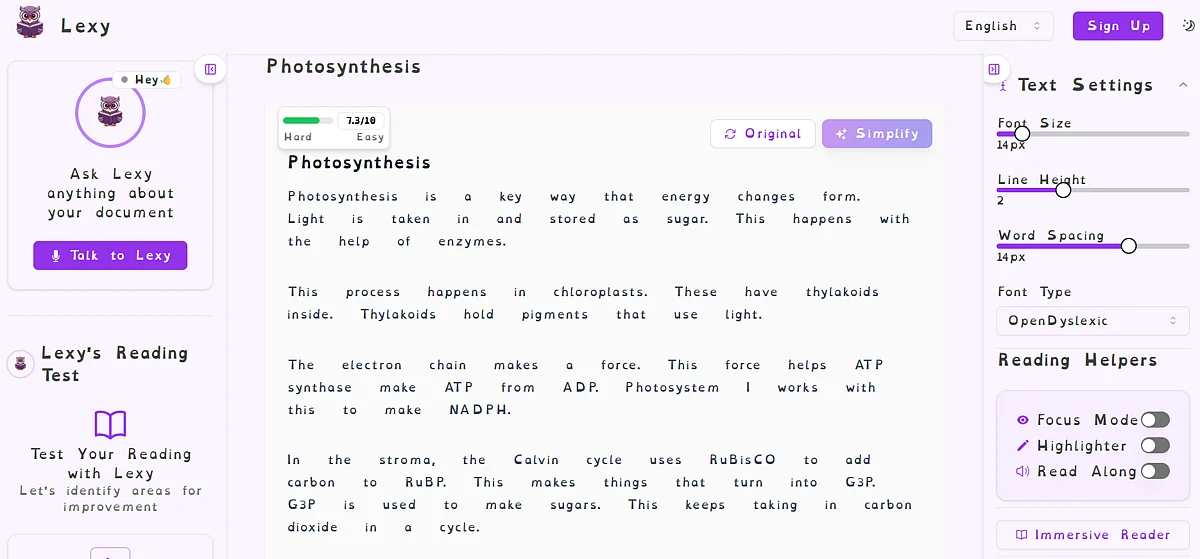
Reading with Lexy
Empowerment through culture
In the ‘Mobility’ category, VersaGrip, designed by Shahad Al Redha, Noor Al Owais, Hessa Bin Haider, and Hana Kabeer from the Dubai Institute of Design and Innovation (DIDI), won. The device combines functionality with aesthetics, inspired by Emirati jewelry.
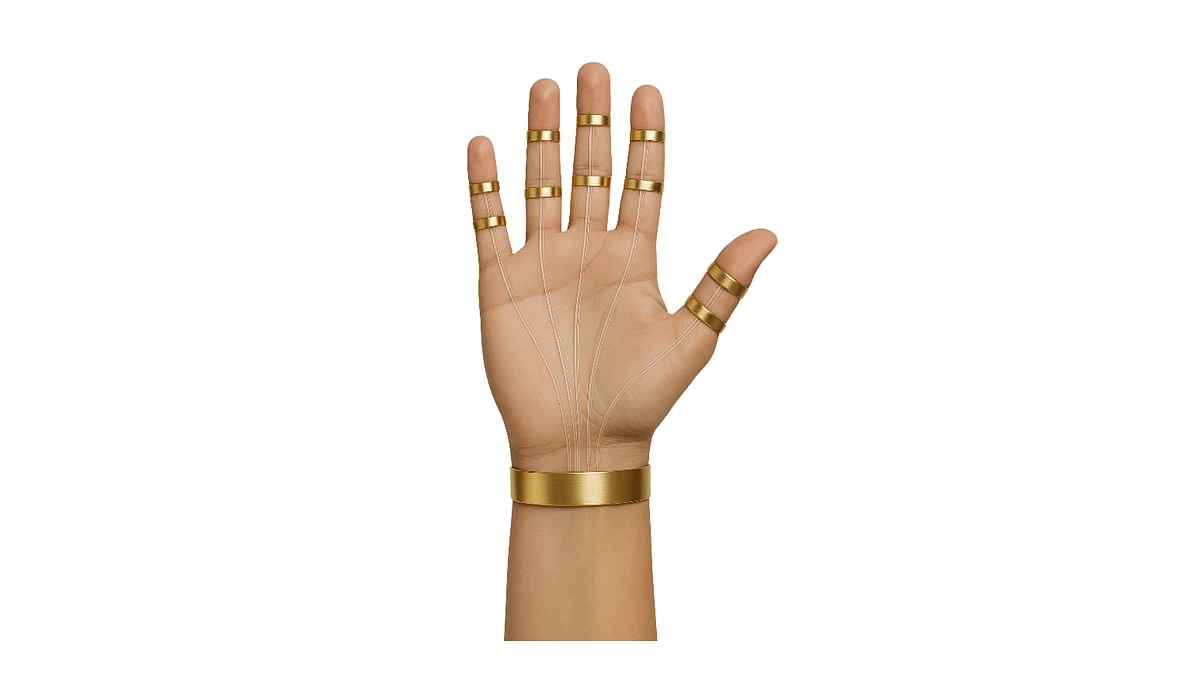
VersaGrip
“Existing solutions for hand mobility are often bulky and medical-looking. We aimed to create a discreet, empowering wearable,” said Shahad, a Product Design student.
VersaGrip uses AI-powered cameras to detect objects and assist grip, with an app for tracking progress and providing exercises and reports for doctors.
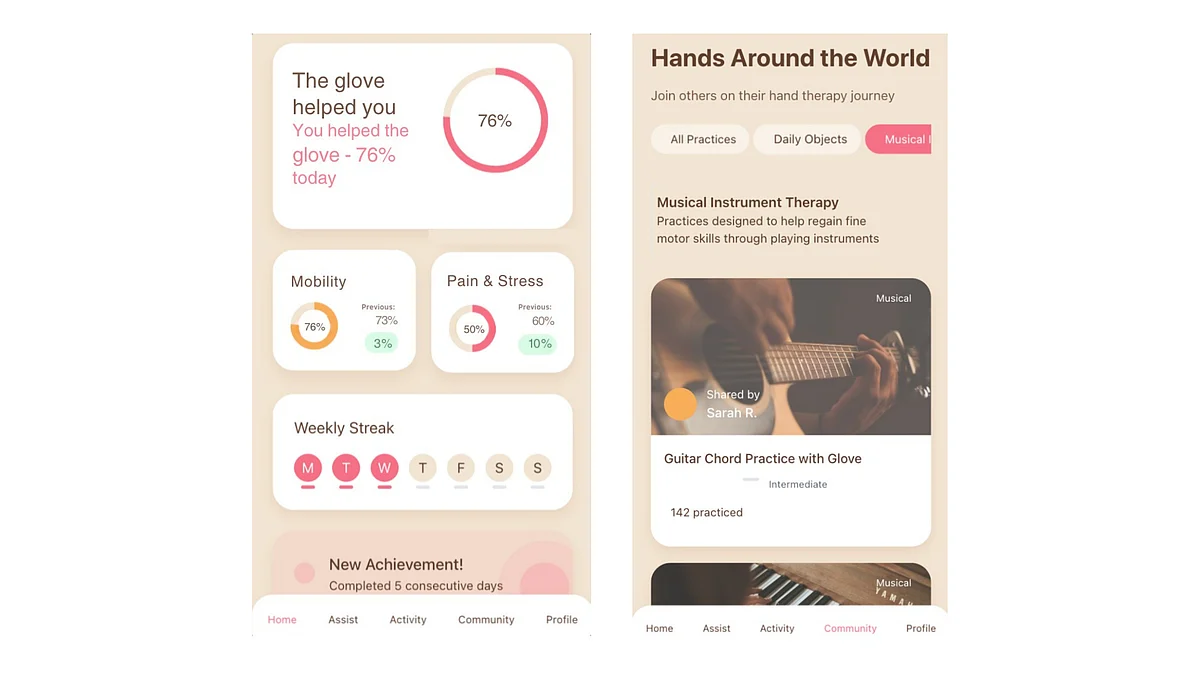
VersaGrip app
Shahad emphasized cultural inspiration: “VersaGrip embodies jewelry elegance, instilling pride and empowerment, while celebrating local culture.”
Silent but life-saving communication
The ‘Communication’ category winner, Ni’mah Smart Bracelet, was created by Hoor Abdullah AlShehhi and Maitha Mohammed Alketbi, Interior Architecture students at the University of Sharjah.
“We aimed to solve real challenges,” said Hoor. “Research showed hearing impairments often lead to missed critical announcements, touching us deeply.”
Maitha mentioned inspiration from the ancient falaj system, silently carrying water to communities. “We wanted technology to provide silent, vital communication,” she explained.
The bracelet translates announcements into vibrations and LED patterns, signaling emergencies or metro timings discreetly.
“Seeing Ni’mah on hearing-impaired users symbolizes dignity,” Maitha said. “If they can navigate life independently, Ni’mah achieves its goal.”
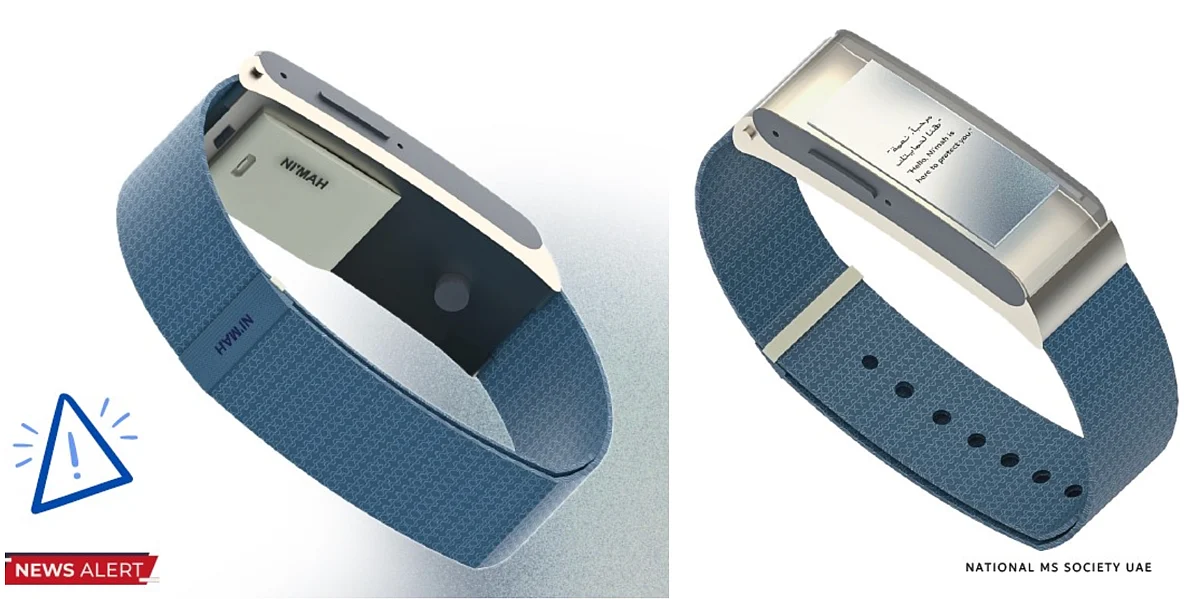
Ni’mah
Creativity and compassion
Maral Alexandrian, Acting Executive Director at the National MS Society, praised the initiative’s creativity and compassion. “Each solution showed deep empathy for those with limited mobility, communication, or cognitive abilities.”
She added, “Universal Design challenges us to create a world for everyone, proving accessibility is a catalyst for innovation.”
The program, in partnership with universities like Abu Dhabi University and Khalifa University, equips students to design universally accessible, culturally relevant solutions.