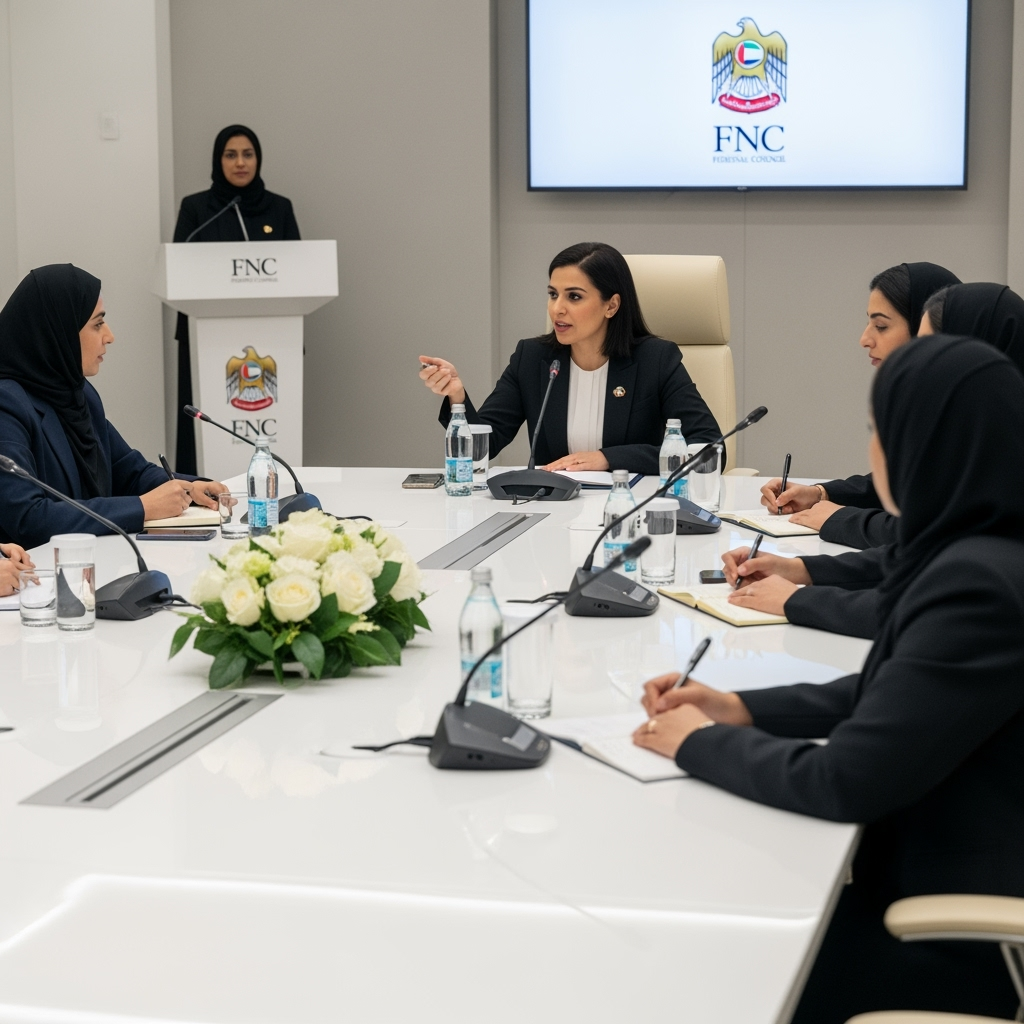
“Serving in the UAE’s Federal National Council (FNC) is both a great honor and a significant responsibility,” says Aisha Al Merri. In the FNC, women occupy half the seats, ensuring their voices are equally heard alongside men’s in making national decisions.
Al Merri’s words reflect a parliament at full gender parity. With women holding 50% of FNC seats—an unprecedented feat worldwide—the UAE has turned equality into tangible action.
Celebrating Emirati Women’s Day on August 28, Al Merri and fellow FNC member Amna Ali Aladidi discussed with Khaleej Times how gender parity is reshaping debates and priorities within the council.
Stay informed with the latest updates. Follow KT on WhatsApp Channels.
From Representation to Impact
Aladidi notes that equal representation has introduced valuable diversity to FNC discussions, broadening perspectives and addressing issues comprehensively, particularly concerning families, women, education, and youth.
She takes pride in contributing to public-benefit legislation, such as policies on maternity leave, family protection, digital education, and women’s economic empowerment, alongside her global involvement in AI and the economy.
Al Merri supports initiatives for family stability, safe environments for women and children, and legislation backing working mothers. She focuses on enhancing education, empowering youth with future skills, and preserving Emirati identity.
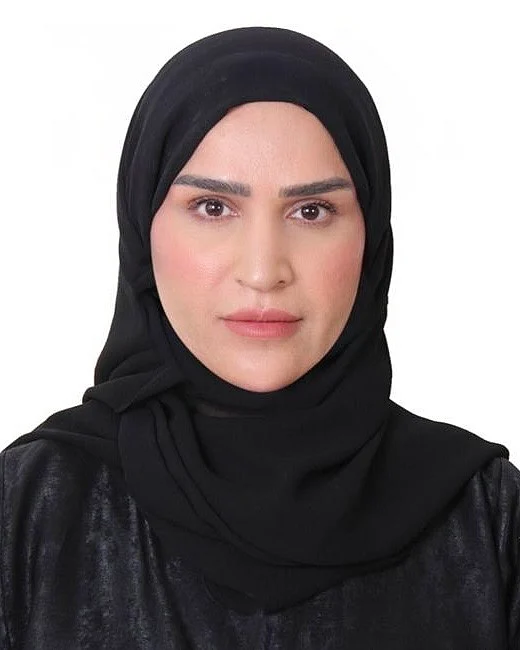
Aisha Al Merri
Inclusive Decisions
Al Merri emphasizes that parity is more than symbolic. “Balanced representation enriches discussions and leads to more inclusive, fair decisions,” she says.
Looking ahead, Al Merri aims to enhance women’s participation in the economy, support family protection policies, and foster innovation among women.
Aladidi focuses on youth empowerment, localizing leadership roles, family support, and advancing legislation on digital education, AI, and women’s economic empowerment.
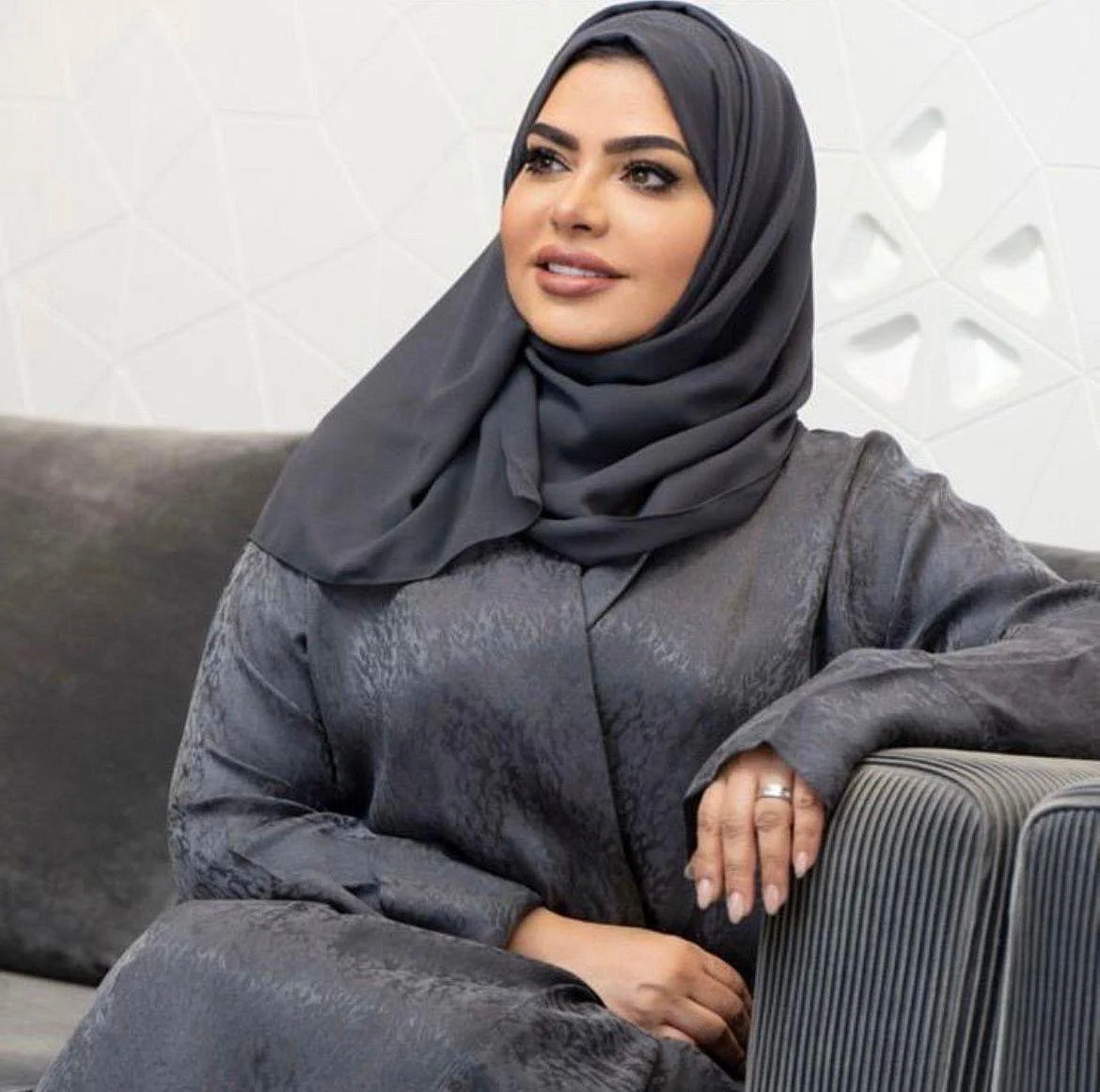
Amna Ali Aladidi
Steady Progress
The UAE’s journey to gender parity has been gradual. The FNC’s female representation rose from 22.5% in 2007 to 17.5% in 2011 and 22% in 2015, before reaching 50% in the 2019 legislative term, a figure maintained in the current term.
Significant milestones include the first female FNC president in 2015. Women have also served as deputy chairpersons and led numerous permanent committees.
Global Recognition
Aladidi highlights the respect garnered globally by the UAE’s commitment to parity, noting the international admiration for its equality efforts as “definitive evidence” of genuine commitment.
For young Emiratis, both MPs offer advice: “Success is achieved through determination and effort,” says Al Merri.
Aladidi adds: “Believe in yourself and work sincerely; there’s no limit to your ambitions with this leadership’s support.”
Parity in the FNC, they assert, is a practical reality, influencing governance and legislation while inspiring future generations of Emirati women.