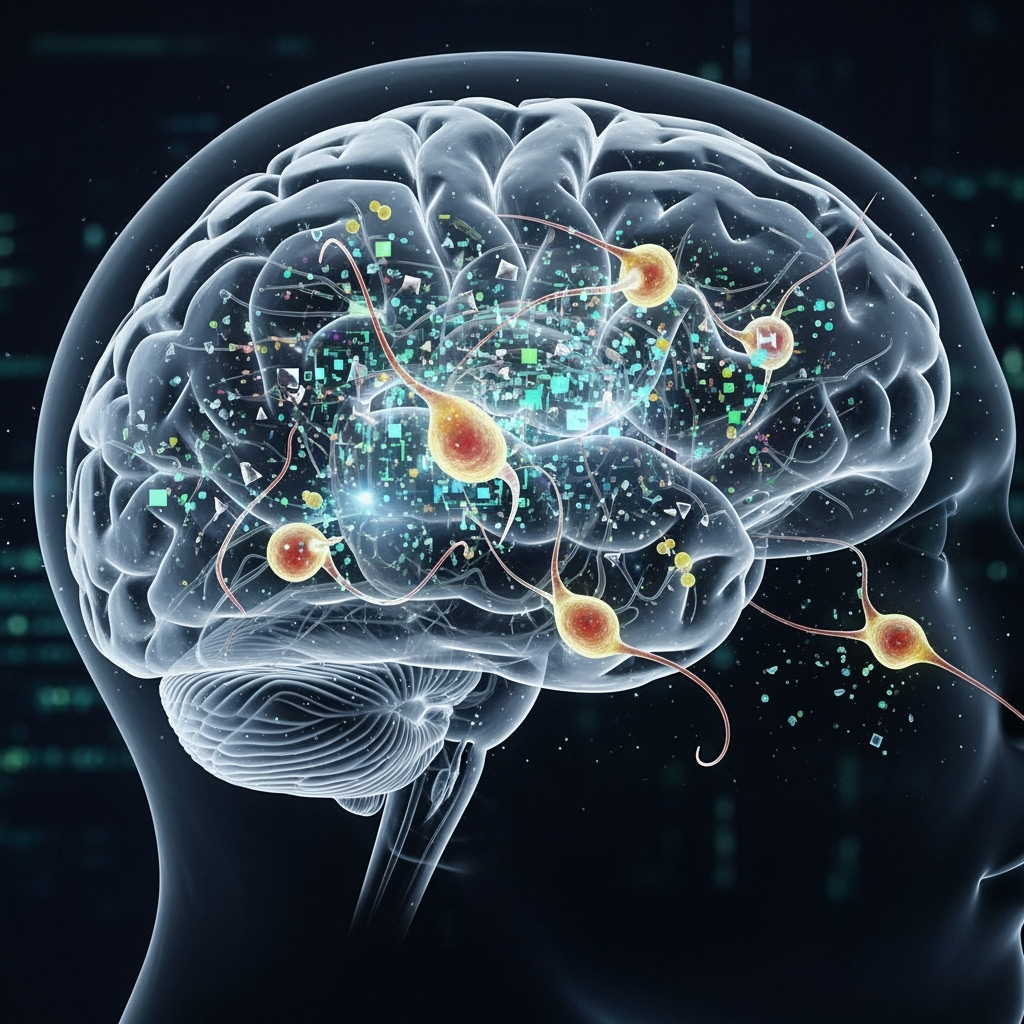
Experiments conducted using virtual reality techniques showed that participants’ brains reacted strongly when viewing avatars displaying clear symptoms of illness, such as a rash accompanied by fever, at varying distances. These scenes triggered an immediate alert state, according to the ‘Science Alert’ website.
The brains did not register a similar response when avatars of healthy individuals were shown, and blood tests did not show an immediate rise in immune markers, revealing a selective response activated only upon perceiving symptoms of illness.
The study highlighted an increase in innate lymphoid cells (ILCs), which typically rise upon direct exposure to pathogens. It was found that merely seeing a virtual infection or perceiving the possibility of exposure was enough to trigger this increase.
Data analysis using machine learning techniques revealed that the brain’s response to threat played a crucial role in activating the immune system. When viewing a sick virtual character, participants’ brains recorded a distinctive pattern that did not appear when avatars with frightened or neutral expressions were shown.
Surprisingly, sick avatars appearing at a farther distance elicited a stronger neural response, involving brain regions typically activated when receiving a flu vaccine. This suggests that merely perceiving a threat may stimulate the body, enhancing our understanding of brain and immune interactions in facing potential risks.