During the recent Abu Dhabi Young Arab Pioneers Initiative, 40 young leaders from the Arab world advocated for a “bold shift from long-standing reliance on Western technology,” urging instead the adoption of unified standards and local innovation in space technology and artificial intelligence.
This ambitious vision was forged at the fourth edition of the Young Arab Pioneers Initiative, concluding on Friday (September 19), where entrepreneurs and engineers from across the region shared strategies to transition the Arab world from a technology importer to an exporter.
“It’s time to transition from importing space technology to exporting it,” said Kuwaiti mechanical engineer and analog astronaut Lama Al Oraiman to the Khaleej Times. She encouraged Arab countries to establish a unified space alliance similar to the European Space Agency, citing the UAE and Saudi Arabia as regional leaders for collective strength.
Stay informed with the latest news. Follow KT on WhatsApp Channels.
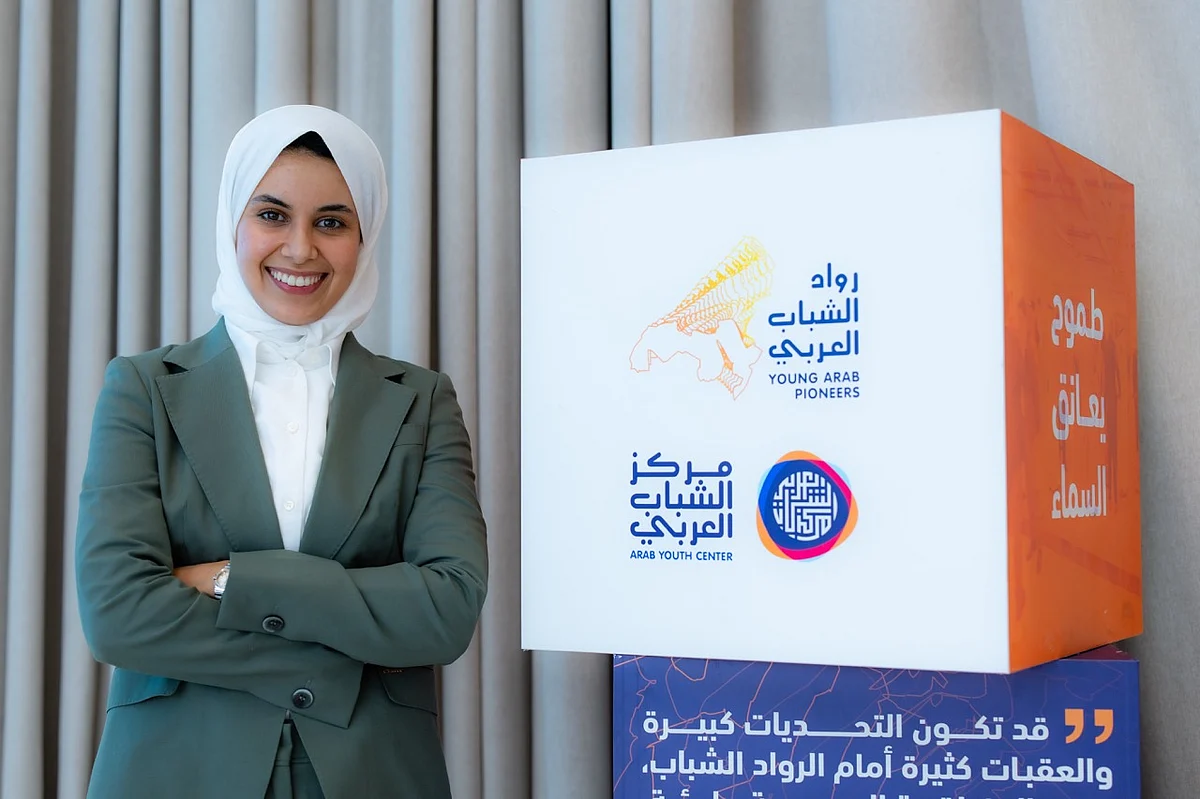
Lama Al Oraiman
Egyptian physicist and space entrepreneur Marwan Mohy Mostafa highlighted the urgent need for independent Arab infrastructure, stating that true sovereignty relies on regional launch capabilities. “Owning a unified Arab launch platform and rocket manufacturing capabilities would provide genuine independence and reduce dependence on lengthy foreign waiting lists,” he told the Khaleej Times.
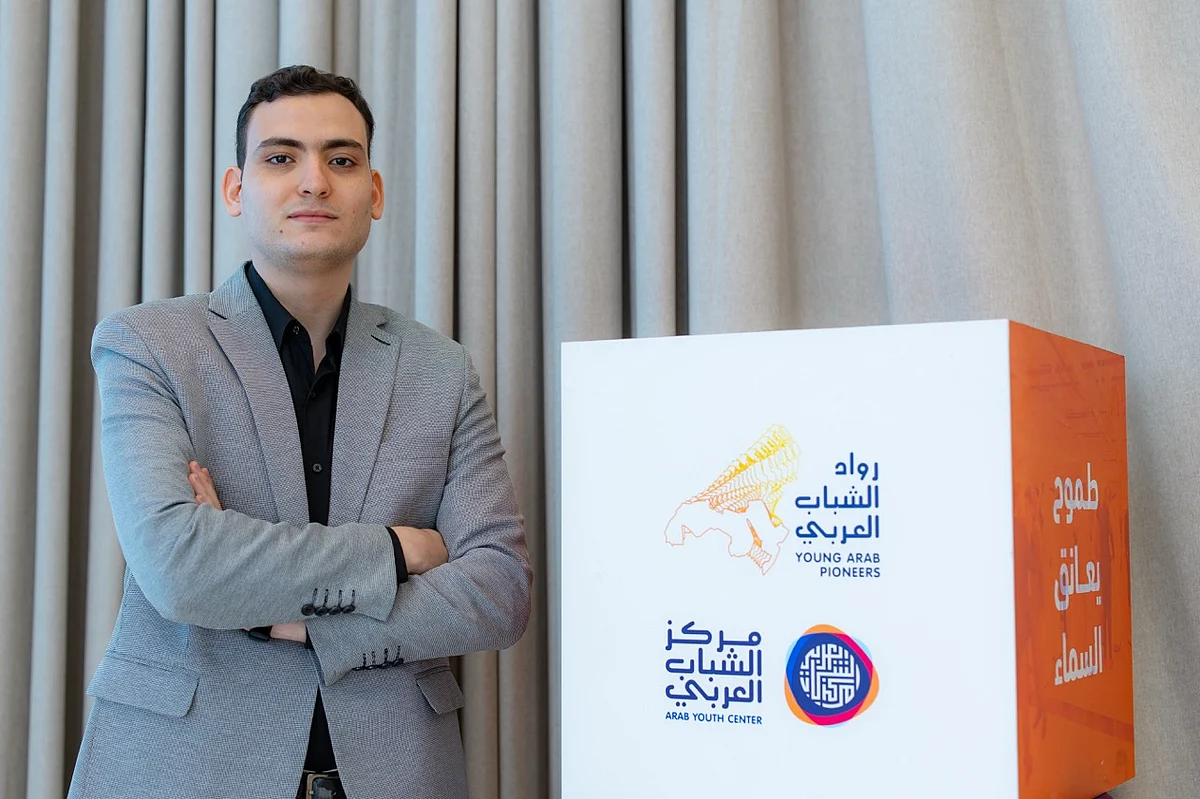
Marwan Mohy Mostafa
The initiative extends beyond hardware to regulatory frameworks, with growing concerns over Western-dominated technology standards. “Relying solely on Western models could expose Arab institutions and individuals to significant data risks,” stated Kuwaiti software specialist and CTO Sundus Jabr Al Farsi. She advocated for Arab-led standards that align with international best practices while reflecting regional contexts.
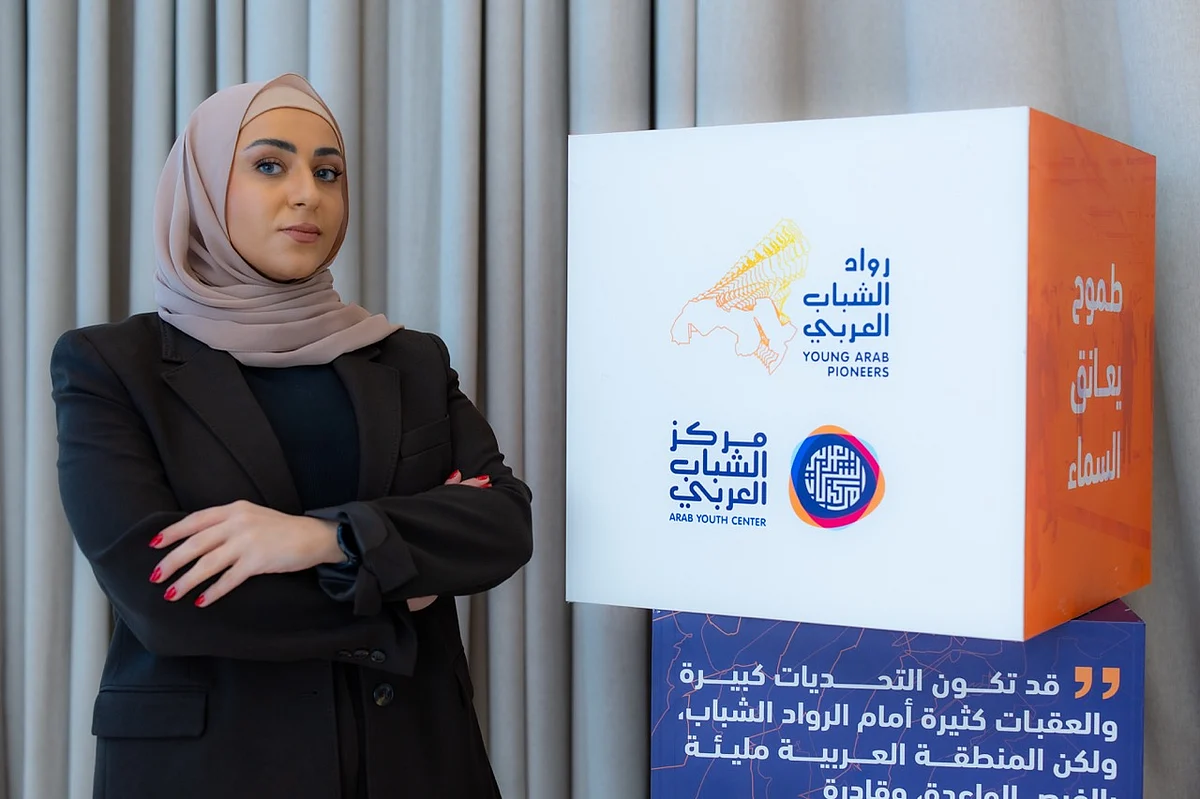
Sundus Jabr Al Farsi
Mostafa praised the advancements of Saudi Arabia, Bahrain, Kuwait, and the UAE in satellite technology but emphasized that regional independence requires more than individual national achievements. He stressed that space technology plays a critical role in sectors like agriculture, construction, media, logistics, and defense, making sovereignty essential for comprehensive economic development.
Utilize AI to Meet Regional Needs
For Jordanian AI entrepreneur Sherif Ghassan, the challenge is to reshape how Arabs interact with artificial intelligence. Instead of mimicking Western methods, he advocates using AI to directly address regional needs. “Arab citizens are highly engaged and vocal, which is a strength,” he told the Khaleej Times. “Each challenge holds the potential to inspire AI-driven solutions that improve daily life.”
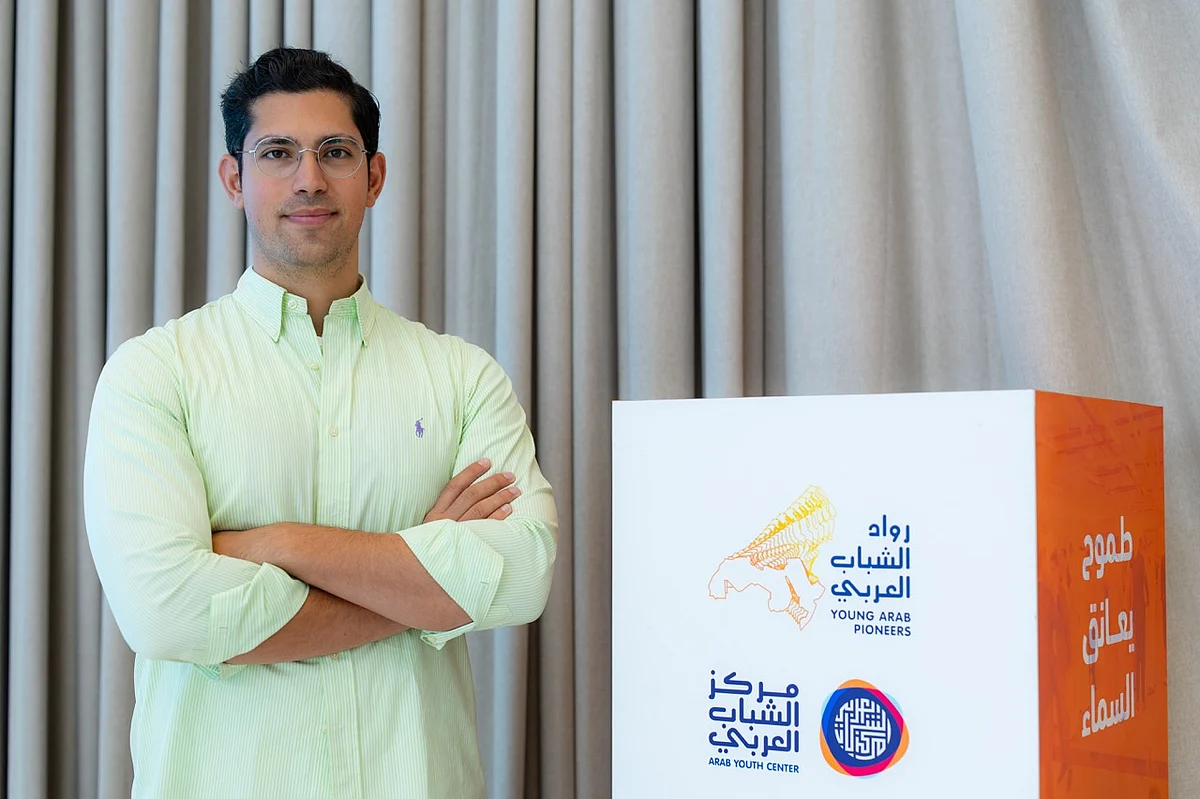
Sherif Ghassan
Al Oraiman further emphasized the significance of Arab representation on UN space committees, noting that it would amplify the region’s voice in shaping international policy and technical cooperation. She observed that while Arab nations were early participants in space exploration, they failed to capitalize on early progress.
The Young Arab Pioneers Initiative has gathered leaders across 10 specialized tracks, including scientific research, sustainability, entrepreneurship, and digital citizenship, offering a comprehensive approach to technological independence that extends well beyond space exploration into broader regional self-sufficiency.