In just 12 hours, two powerful aftershocks rocked eastern Afghanistan, as reported by the German Research Center for Geosciences (GFZ). This has heightened fears of further fatalities and destruction in a region where earthquakes have already claimed around 2,200 lives over the past four days.
These shocks follow earlier earthquakes that have devastated the South Asian nation, plagued by war, poverty, and dwindling aid. By Thursday, the Taliban administration had estimated 2,205 deaths and 3,640 injuries.
A Reuters witness reported ongoing aftershocks in Nangarhar province, with damage assessments still underway.
A 5.4 magnitude earthquake struck the southeast on Friday at a depth of 10 km (6.2 miles), according to GFZ, just hours after another tremor late Thursday night.
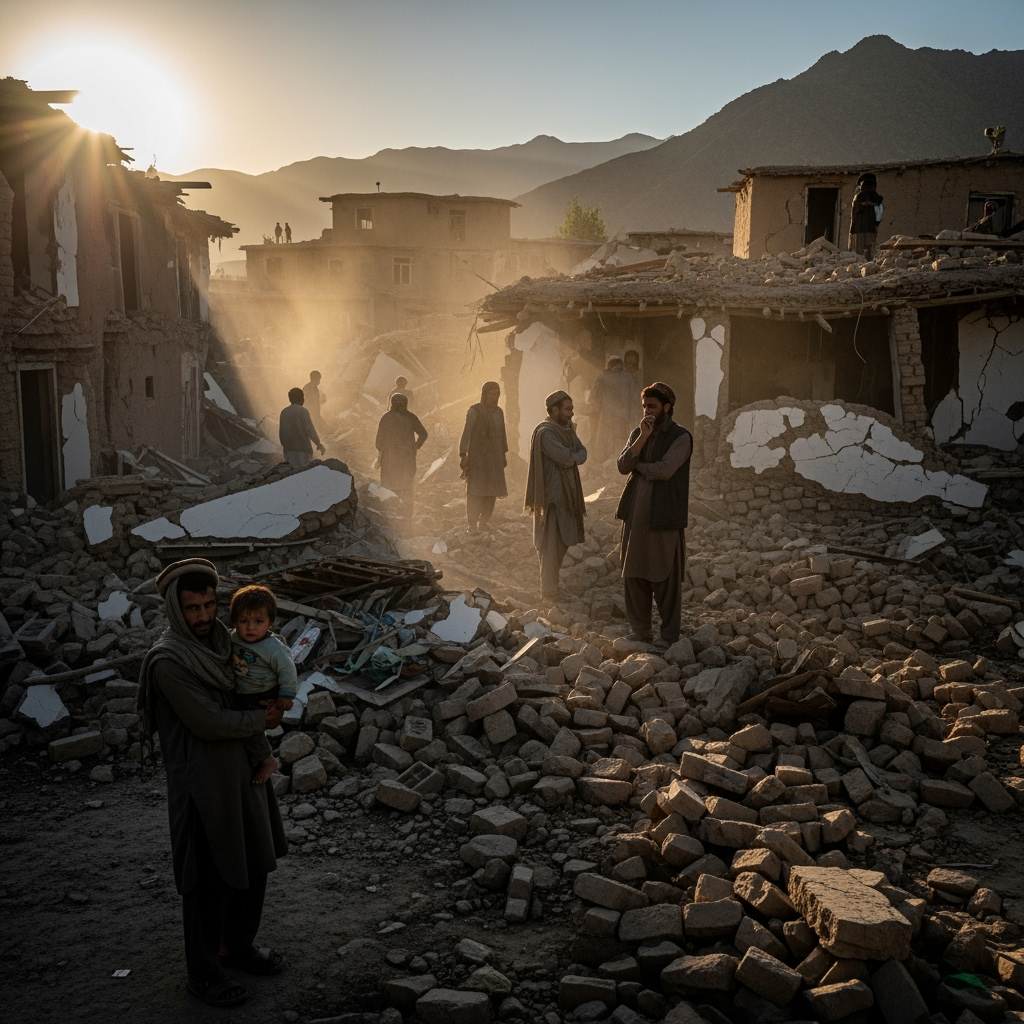
The first earthquake of the week, a magnitude 6 event just before midnight on Sunday, was among Afghanistan’s deadliest, causing extensive damage in Nangarhar and Kunar provinces at a shallow depth of 10 km (6 miles).
A second tremor with a magnitude of 5.5 on Tuesday triggered panic and disrupted rescue operations by causing landslides that blocked roads to remote villages.
With homes primarily constructed from dry masonry, stone, and timber, many families chose to stay outdoors as a precaution against further aftershocks.
Naqibullah Rahimi, a spokesperson for Nangarhar’s health department, noted that Thursday’s earthquake was centered in the Shiwa district near the Pakistan border, with initial damage reports coming in.
Previous quakes have leveled villages in both provinces, demolishing more than 6,700 homes, and rescue teams continued to retrieve bodies from the debris on Thursday.
Survivors in this quake-prone area are left without essential supplies as the United Nations and other organizations emphasize the urgent need for food, medical aid, and shelter.
Most earthquakes occur in the Hindu Kush mountain range, where the Indian and Eurasian tectonic plates converge.