
At Mohamed bin Zayed University of Artificial Intelligence (MBZUAI), researchers have created an AI system aimed at addressing the shortage of data scientists by providing small businesses with the analytical capabilities they need, without the expense of hiring specialists.
Data Wise is an autonomous AI platform that rapidly converts raw business data into actionable recommendations, potentially saving UAE companies significant consulting fees, as highlighted by Farkhad Akimov, a Machine Learning master’s graduate; Zangir Iklassov, an assistant teaching professor in Machine Learning; and Munachiso Nwadike, a research engineer.
This launch tackles a pressing business issue. The demand for data scientists and analysts is soaring in the UAE as more businesses leverage data to enhance operations, yet many SMEs can’t afford full-time experts who typically demand high salaries.
Stay informed with the latest updates. Follow KT on WhatsApp Channels.
According to Cooper Fitch reports, data science is among the top 10 skill shortages in the UAE. Despite 74% of SMEs feeling confident about business growth, many lack the analytical tools necessary for expansion.
“Organizations today are overwhelmed with data, yet we aimed to create a system that empowers leaders to take action without waiting for technical teams,” stated Munachiso Nwadike, research engineer and co-creator of Data Wise. “Data Wise enables anyone, not just data scientists, to test hypotheses, uncover patterns, and make informed decisions,” he added.

Munachiso Nwadike
How Does It Work
The platform allows users to upload business data, such as purchase history or customer feedback, set goals, and obtain insights in plain language, backed by sophisticated analysis. Unlike other tools requiring technical skills, Data Wise automatically manages the entire analysis process.
“Our system is designed to replicate a data scientist’s real-world operations,” explained Akimov, the startup’s main founder. “Data scientists typically receive a collection of numbers, text, or images and must determine what is happening and the next steps. Our platform mimics this process.
”The system employs multiple AI agents in parallel to generate hypotheses about business patterns, test them for accuracy, and present only the most reliable insights. This method eliminates the weeks usually needed for traditional data analysis projects,” he noted.
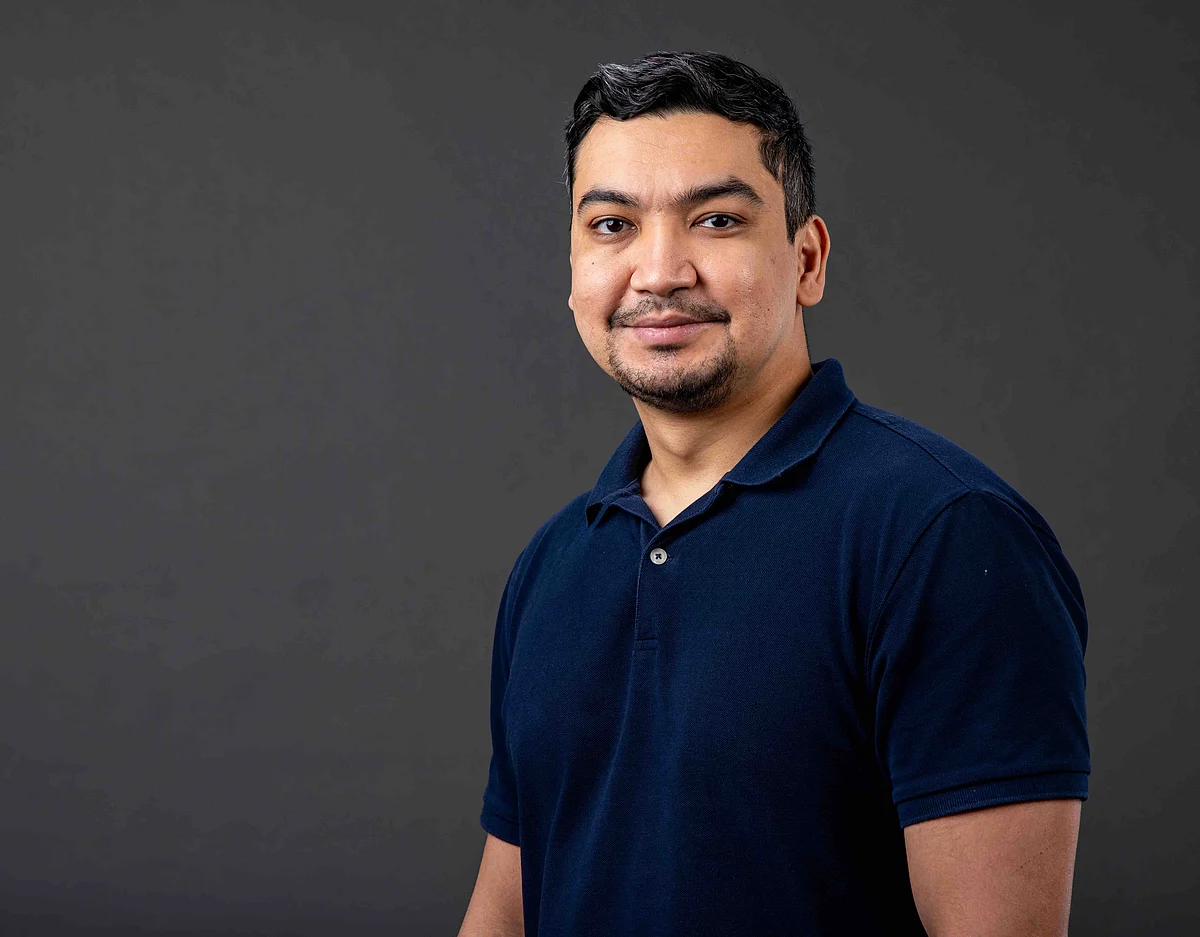
Farkhad Akimov
Outperforming Expert Solutions
To validate its efficacy, the team tested Data Wise against top specialists on Kaggle, the leading data science competition platform. Across datasets on customer behavior, health risks, and pricing strategies, the AI system outperformed expert-built solutions.
“Most platforms, even great ones like Tableau, automate workflows for data scientists, not decision-makers,” said Iklassov, assistant teaching professor and co-creator. “Data Wise was developed so business owners, not just technical experts, could understand the ‘why’ behind the data.”

Zangir Iklassov
This innovation comes as the global data analytics market is projected to reach $256.6 billion by 2029, while the US faces a shortage of over 250,000 data scientists, with demand set to exceed supply by 50% by 2026.
For UAE businesses, this is a cost-saving opportunity. Hiring a data scientist can cost more than Dh300,000 annually, but Data Wise offers similar capabilities for a fraction of the cost.
The platform is especially beneficial for the retail, healthcare, and manufacturing industries. Business owners can predict customer turnover, optimize inventory, or find cost savings without technical teams.
“We see Data Wise unlocking value for decision-makers in every sector — whether predicting patient readmission in hospitals, optimizing marketing budgets, or reducing inventory costs in manufacturing,” Akimov stated.
The system is currently available as a working demo on Amazon Web Services. The team is developing the next version through MBZUAI’s Innovation and Entrepreneurship Center, with plans for commercial deployment.
“We believe data science is evolving from static dashboards to dynamic conversations,” Nwadike said. “Business leaders can now directly engage with their data and trust the insights they receive.”