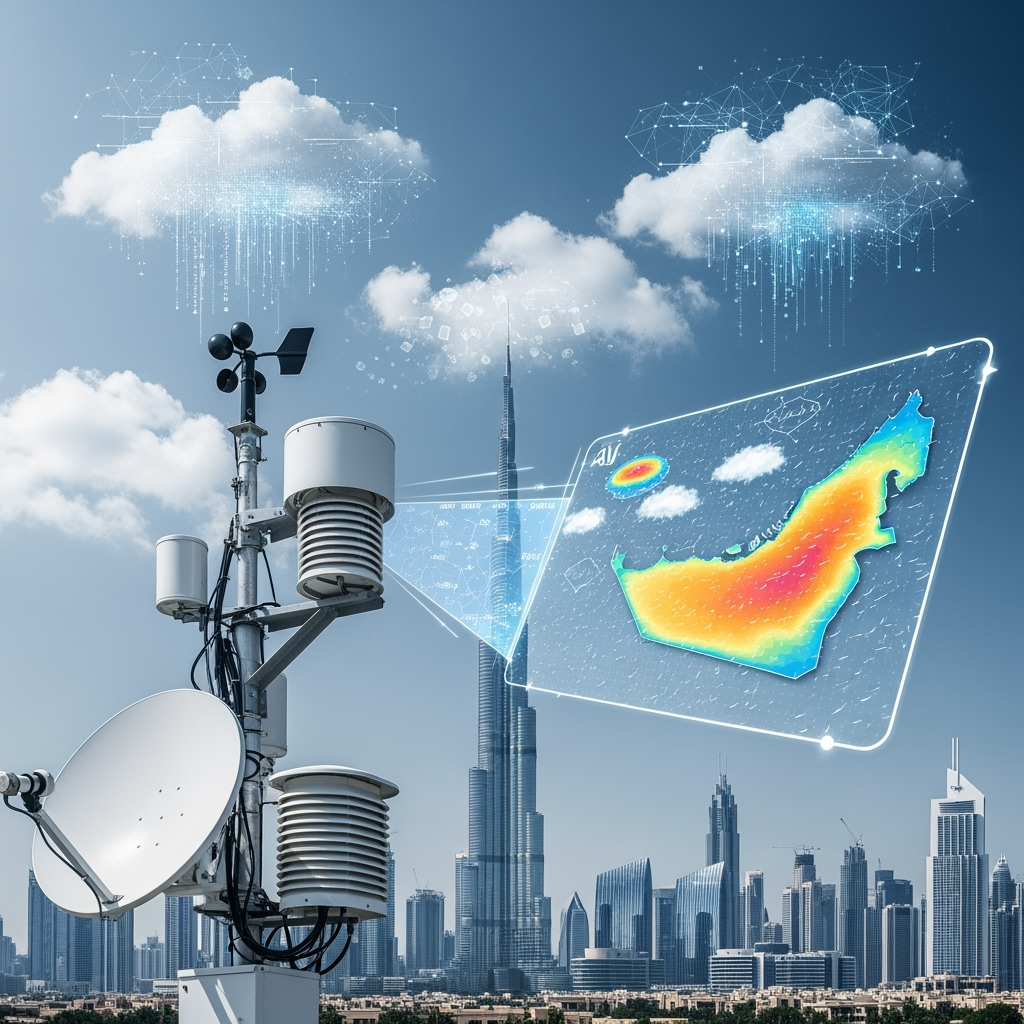
At a recent weather summit in the UAE, experts delved into the role of AI in improving weather forecasts and potentially optimizing cloud seeding techniques.
“The application of AI depends on the specific question. AI models operate on global, regional, and local levels, and it’s crucial to select precise datasets for training models tailored to particular purposes. While foundational models can be refined, their deployment must be accurate,” explained Monica Youngman from the US National Weather Service during an interview with Khaleej Times at the AI for Weather Prediction: Advances, Challenges & Future Outlook conference in Abu Dhabi.
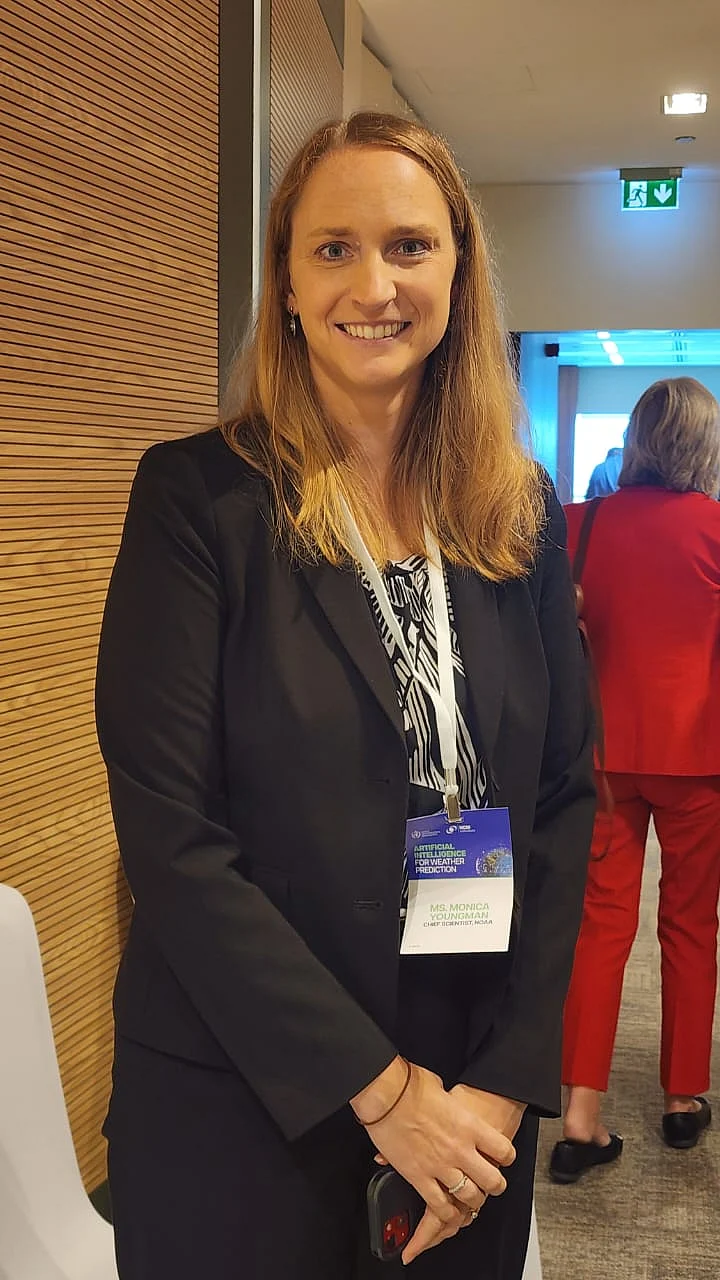
Monica Youngman
Regarding AI forecast efficacy, Youngman noted, “The optimal forecast range is three to seven days. AI models face challenges beyond this period since they aren’t grounded in physics. For immediate forecasts like nowcasting, progress is being made, but physics-based models remain robust.”
Stay updated with the latest news. Follow KT on WhatsApp Channels.
Harnessing AI for real-time data analysis
One session focused on AI-driven Earth system prediction, leveraging diverse, high-quality datasets, including field observations, satellite imagery, IoT devices, and geospatial data.
AI algorithms empower meteorologists to process vast weather datasets in real time, enhancing predictions for ideal cloud seeding times and locations. This technology improves weather model accuracy and offers insights into cloud dynamics, boosting successful rainfall induction likelihoods.
Omar Al Yazeedi, Deputy Director General of the National Centre of Meteorology (NCM), previously mentioned, “Clouds have a brief lifespan, so with multiple clouds, AI aids forecasters in selecting optimal sites by identifying specific parameters. Currently, operations are manual. With AI, operators can evaluate cloud characteristics and make decisions as AI guides them.”
The summit underscored that while AI isn’t a magic fix, it could greatly improve meteorologists’ capabilities to predict and influence weather patterns, marking a potential breakthrough in climate science for the UAE and beyond.
Ian Lisk, Chair of the World Meteorological Organisation (WMO) SERCOM, emphasized the limitations of current models.
“Even traditional physics-based models struggle with certain weather phenomena, like thunderstorms or convective storms,” he stated. “AI models face similar resolution challenges. A major issue is the training data, especially with a changing climate.”
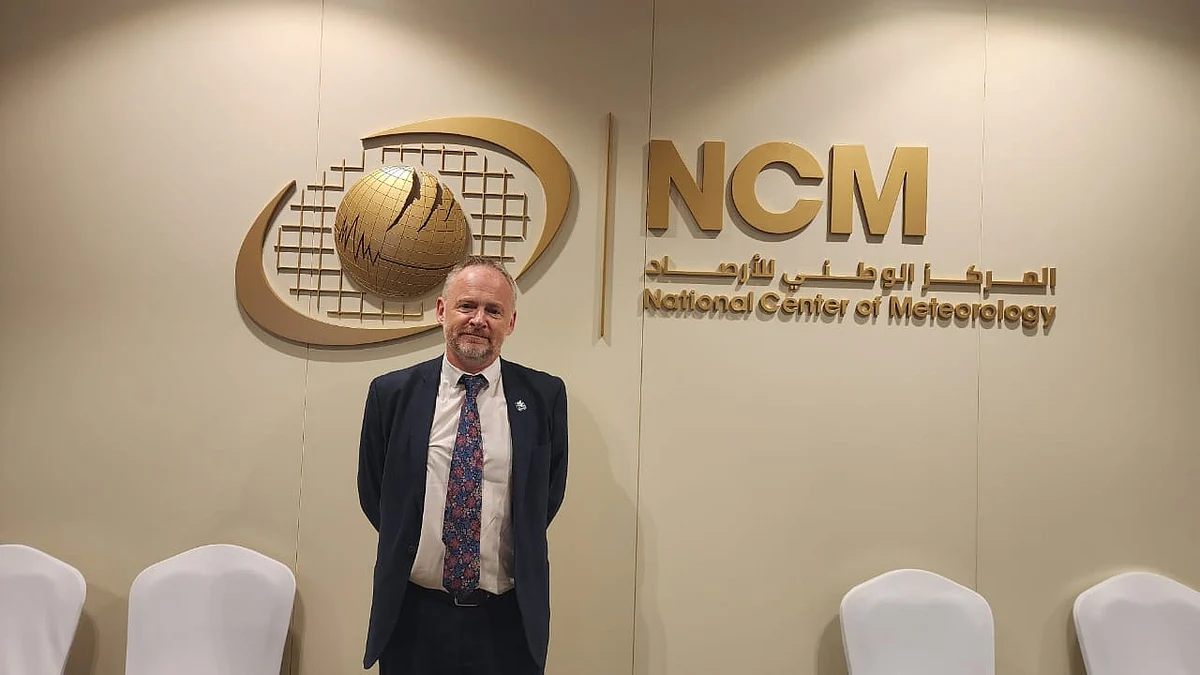
Ian Lisk
Nevertheless, Ko Barrett, Deputy Secretary General of WMO, highlighted that forecasters are eager for tools that enhance prediction accuracy with fewer resources.
“However, it’s not yet widely used,” she commented. “Many members with basic capabilities are still far from operational AI use. Therefore, we see it as WMO’s duty to ensure everyone advances with AI developments.”

Ko Barrett