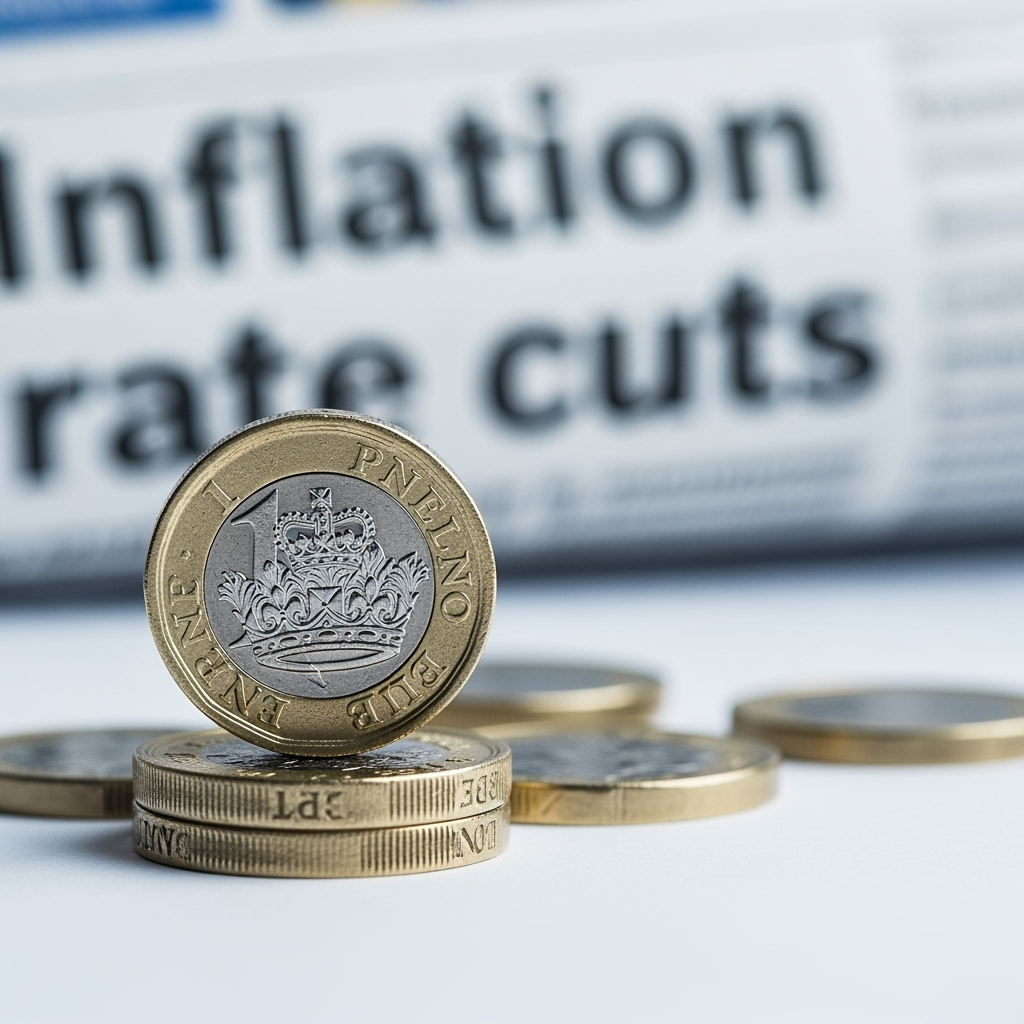
Britain’s annual consumer price inflation rate unexpectedly rose to its highest in over a year at 3.6% in June, as official figures showed on Wednesday. This slightly dampened expectations for further cuts in the Bank of England’s interest rates.
June’s reading from the Office for National Statistics took the annual CPI rate to its highest since January 2024. This was against economists’ expectations in a Reuters poll that it would remain unchanged from May’s reading of 3.4%. British inflation has steadily increased since hitting a three-year low of 1.7% last September. In May, the BoE forecasted it would peak at 3.7% in September – nearly twice the central bank’s 2% target.
Inflation in Britain is the highest among major advanced economies, approximately one percentage point higher than in the United States or the eurozone. Following the data, Sterling rose slightly against the dollar, five-year gilt yields hit a one-month high, and financial markets priced in slightly lower chances of a quarter-point BoE rate cut in August and another later in the year.
Deutsche Bank Chief UK Economist Sanjay Raja stated that he did not believe an August rate cut was truly at risk but acknowledged more uncertainty regarding the pace of cuts thereafter.
“There’s enough of a slowdown in GDP and the labour market to warrant a ‘gradual and careful’ easing of monetary policy. But the onus now rests on the labour market to shape how far and how fast the MPC can cut this year and next,” he said in a note.
Gross domestic product data last week showed an unexpected fall in output in May, while official data on Thursday is expected to show only a moderate slowdown in wage growth from rates just over 5%.
Higher prices for motor fuel, airfares, and train tickets were the biggest contributors to the rise in inflation between May and June, according to the ONS. It also noted increases in the cost of food, clothing, red wine, and lager.
Food and non-alcoholic drink prices were 4.5% higher than a year earlier, marking the biggest rise since February 2024.
Finance minister Rachel Reeves stated that the government was supporting living standards for working-class households through a higher minimum wage, a cap on bus fares, and free breakfasts for younger school-age children.
Previously, April saw a particularly sharp jump in inflation to 3.5% from 2.6% due to rises in regulated energy and water tariffs, a spike in airfares, and upward pressure on the cost of labour-intensive services from a rise in employment taxes and the minimum wage.
Despite this, Governor Andrew Bailey has indicated that interest rates are likely to remain on a gradual downward path, as a weaker labour market puts downward pressure on wage growth and the outlook for economic growth remains lackluster.
The BoE forecasted in May that headline inflation would be back on target in the first quarter of 2027.
The BoE has cut interest rates by four quarter-point steps since August, and economists polled by Reuters last month forecasted two more quarter-point rate cuts this year, including a likely move in August.
However, some BoE policymakers are concerned that skills mismatches in Britain’s labour market and other supply constraints will keep wage growth running too fast for inflation to return to target any time soon.
“The risk is that this increase proves more persistent and rates are cut more slowly than we expect, or not as far,” said Ruth Gregory, deputy chief UK economist at Capital Economics.
Services price inflation, a measure the BoE views as a better guide to domestically generated price pressures than the headline CPI rate, held at 4.7% in June, contrary to economists’ forecasts for it to fall to 4.6%.
Matt Swannell, chief economic adviser to EY ITEM Club, said upward pressure on inflation from energy prices was likely to fade after September but that other pressures remained.
“The fall in inflation is likely to be gradual, reflecting ongoing stickiness in the services category,” he said.