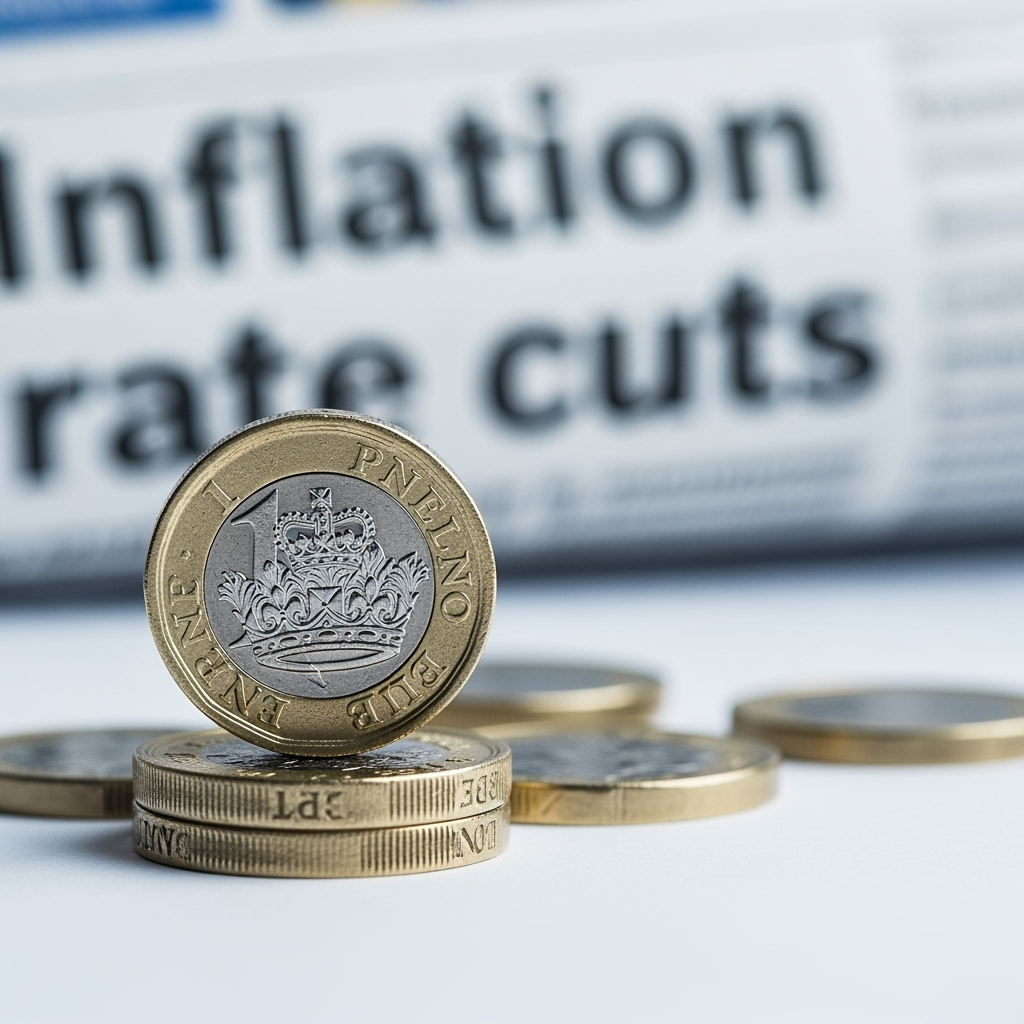
The UK’s annual consumer price inflation rate surged unexpectedly to 3.6% in June, marking its highest level in over a year, according to official data released on Wednesday. This rise slightly dampened expectations for further interest rate cuts by the Bank of England.
The latest figures from the Office for National Statistics put the annual CPI rate at its peak since January 2024, surpassing economists’ predictions from a Reuters poll, which anticipated it would remain steady at May’s 3.4%. Inflation in Britain has been climbing steadily since reaching a three-year low of 1.7% last September. In May, the BoE projected that inflation would peak at 3.7% in September, nearly double the central bank’s 2% target.
Among major advanced economies, Britain currently has the highest inflation, roughly one percentage point higher than the US or the euro zone. Sterling saw a slight increase against the dollar following the data release, with five-year gilt yields reaching a one-month high, and financial markets adjusting to slightly lower chances of a quarter-point BoE rate cut in August and another later in the year.
Deutsche Bank’s Chief UK Economist Sanjay Raja stated that an August rate cut is still likely, but the pace of future cuts remains uncertain.
“There’s enough slowdown in GDP and the labor market to justify a ‘gradual and careful’ easing of monetary policy. The labor market will now play a key role in determining the extent and speed of rate cuts this year and next,” he noted.
Recent GDP data revealed an unexpected dip in May’s output, and upcoming official data is expected to show only a moderate slowdown in wage growth from rates just over 5%.
Rising Costs in Fuel, Food, and Transport
The ONS identified rising costs in motor fuel, airfares, and train tickets as the main drivers behind the inflation increase from May to June, along with higher prices for food, clothing, red wine, and lager.
Prices for food and non-alcoholic drinks were 4.5% higher than the previous year, marking the largest increase since February 2024.
Finance Minister Rachel Reeves highlighted that the government is supporting working-class households with measures like a higher minimum wage, a cap on bus fares, and free breakfasts for younger school children.
In April, inflation spiked sharply to 3.5% from 2.6% due to regulated energy and water tariff increases, a surge in airfares, and rising costs of labor-intensive services driven by higher employment taxes and minimum wage hikes.
Despite these developments, Governor Andrew Bailey indicated that interest rates are expected to continue on a gradual downward trajectory, as a weaker labor market exerts downwards pressure on wage growth and the economic growth outlook remains weak.
The BoE’s May forecast suggested that headline inflation would return to target by the first quarter of 2027.
The BoE has reduced interest rates by four quarter-point steps since August, and economists surveyed by Reuters last month predicted two additional quarter-point rate cuts this year, including a probable move in August.
Nonetheless, some BoE policymakers are concerned that skills mismatches in the UK’s labor market and other supply constraints could sustain high wage growth, preventing inflation from returning to target soon.
“The risk is that this inflation increase might be more persistent, and rates might be reduced more slowly than anticipated, or not as much,” warned Ruth Gregory, Deputy Chief UK Economist at Capital Economics.
Services price inflation, which the BoE considers a better measure of domestic price pressures than the headline CPI rate, remained at 4.7% in June, contrary to economists’ expectations for a drop to 4.6%.
Matt Swannell, Chief Economic Adviser to EY ITEM Club, indicated that while the upward pressure on inflation from energy prices may ease after September, other pressures persist.
“The decline in inflation is likely to be gradual, reflecting ongoing stickiness in the services category,” he commented.