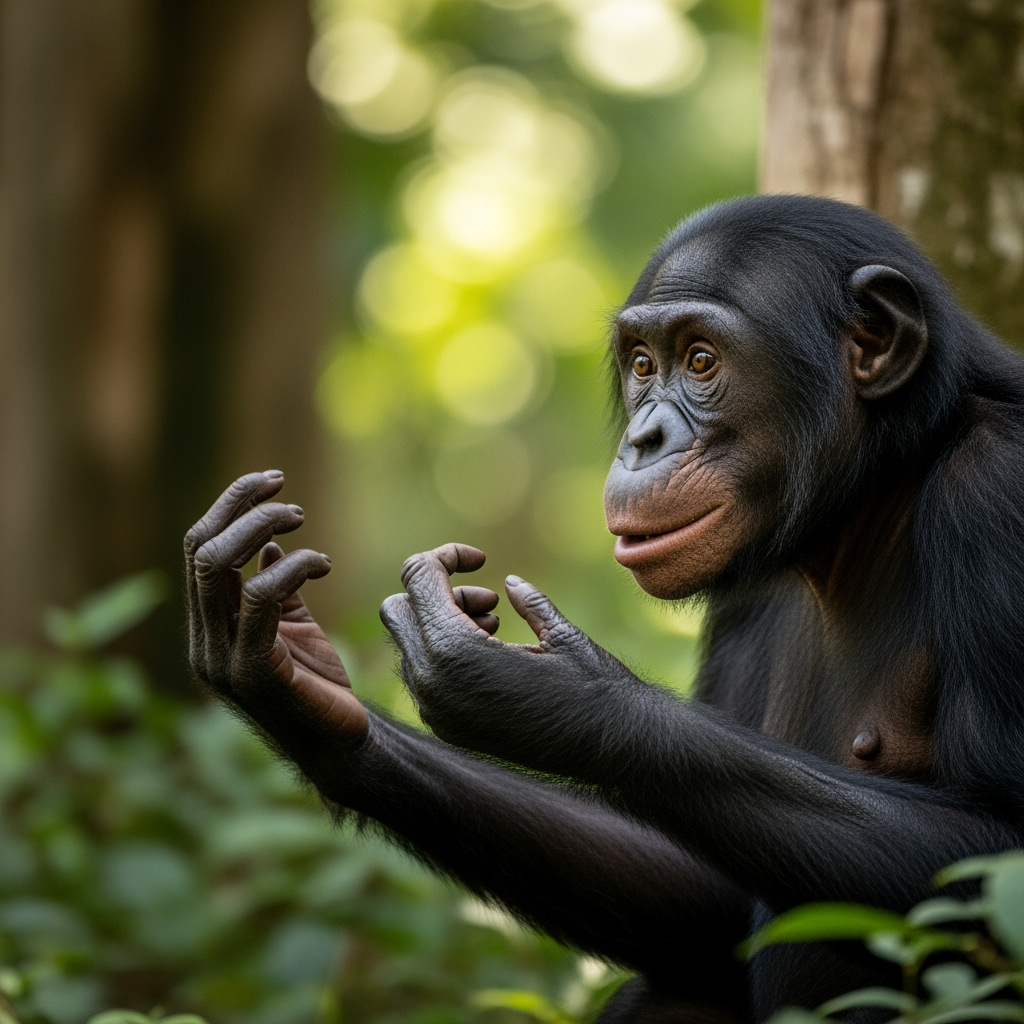
Researchers have observed that bonobo monkeys combine their calls to form complex phrases, suggesting a level of communication previously thought to be unique to humans. For instance, bonobos merge calls that mean “look at me” and “let’s do this” to coordinate social activities.
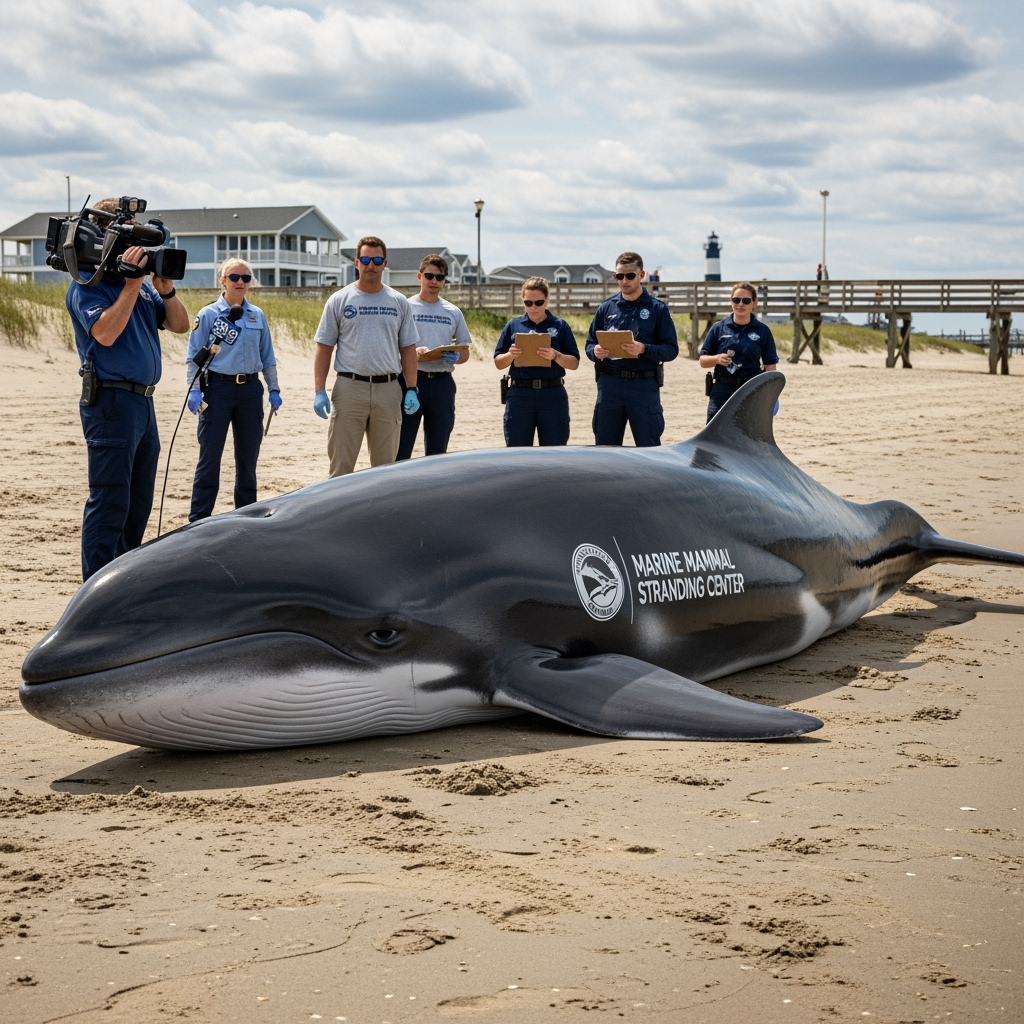
Similar evidence of advanced vocal behaviors has been found in various species, from chimpanzees to whales and birds, challenging traditional definitions of language, as reported in the scientific journal. For example, sperm whales produce “clicks” grouped into sequences that display varying rhythmic patterns, resembling vowels and diphthongs in human speech.
Researchers are training generative AI models to decode these animal sounds, and even replicate them, to better understand their meanings. This emerging science challenges established concepts of human uniqueness and promises exciting developments in deciphering animal speech.
As AI tools enhance their capabilities, the possibility of conducting meaningful dialogues with species like bonobos, whales, and birds becomes more tangible, reshaping how we perceive and interact with the animal world.