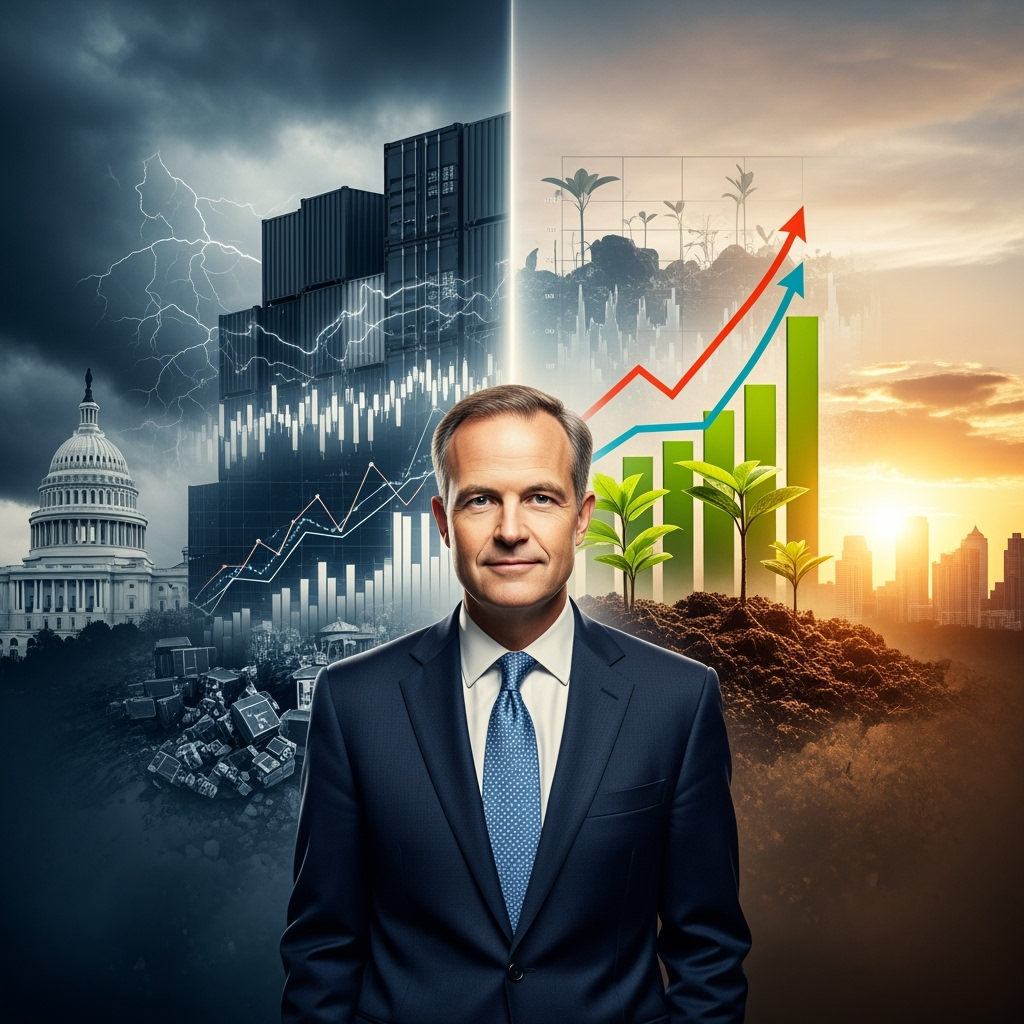
On the night of his election victory, Prime Minister Mark Carney outlined his plan to revitalize Canada’s economy in the face of President Donald Trump’s threats.
“Build, baby, build!” Carney exclaimed to enthusiastic Liberal supporters in April.
Early in his tenure, Carney’s construction plans are taking form, highlighted by the new “Major Projects Office,” launched last month to lead the development of ports, highways, mines, and potentially a new oil pipeline—a controversial topic for environmentalists.
This office, soon to reveal its priorities, was established after Carney’s Liberals secured cross-party backing for legislation that empowers his government to accelerate “nation-building projects.”
“We are moving at a pace not seen in generations,” Carney stated, emphasizing the urgency needed as Trump reshapes the global economy.
While Trump’s threats to annex Canada have subsided, his trade war is impacting the Canadian economy.
US tariffs on autos, steel, and aluminum have strained these critical sectors, resulting in job losses.
The unemployment rate rose to 7.1% in August, the highest since 2016, excluding the pandemic period.
“This adds to evidence that the trade war is affecting Canadian labor markets,” noted RBC senior economist Claire Fan.
– ‘Economy at Risk’ –
Since entering politics, Carney has emphasized the need for Canada to break its reliance on US trade by boosting internal commerce and exploring new markets in Europe and Asia.
During a trip to Germany last month, Carney announced his government is “unleashing half a trillion dollars of investment” in infrastructure for energy, ports, and other sectors.
Jay Khosla, an energy expert at the Public Policy Forum, credited Trump for the momentum to build.
“Our economy is at risk,” he said, adding that Canada’s economic ties to the US have made it vulnerable.
– ‘Energy Superpower’? –
As the world’s fourth-largest oil exporter, Canada has the third-largest crude reserves. Most resources are in Alberta, primarily exporting to the US due to infrastructure limitations.
Former Prime Minister Justin Trudeau focused on climate change but faced criticism for not supporting the energy sector enough.
Carney’s Liberals, differing from Trudeau, now back exporting liquefied natural gas (LNG) to Europe.
“German LNG buyers and users expressed a strong demand for our products,” Energy Minister Tim Hodgson said in Berlin.
Carney has consistently stated that Canada “can be an energy superpower.”
However, not everyone agrees with this vision.
Greenpeace accused the Prime Minister of supporting “climate-damaging infrastructure” while neglecting clean energy.
Despite opposition from pro-climate NGOs, Indigenous support is crucial for Carney’s agenda, given their environmental priorities.
Although Carney seeks Indigenous backing, concerns remain.
“We know the impact of having Trump at our border. Let’s not adopt Trump-like policies,” said Cindy Woodhouse, national chief of the Assembly of First Nations, criticizing Carney’s energy infrastructure push.
“Let’s take the time and do things right.”