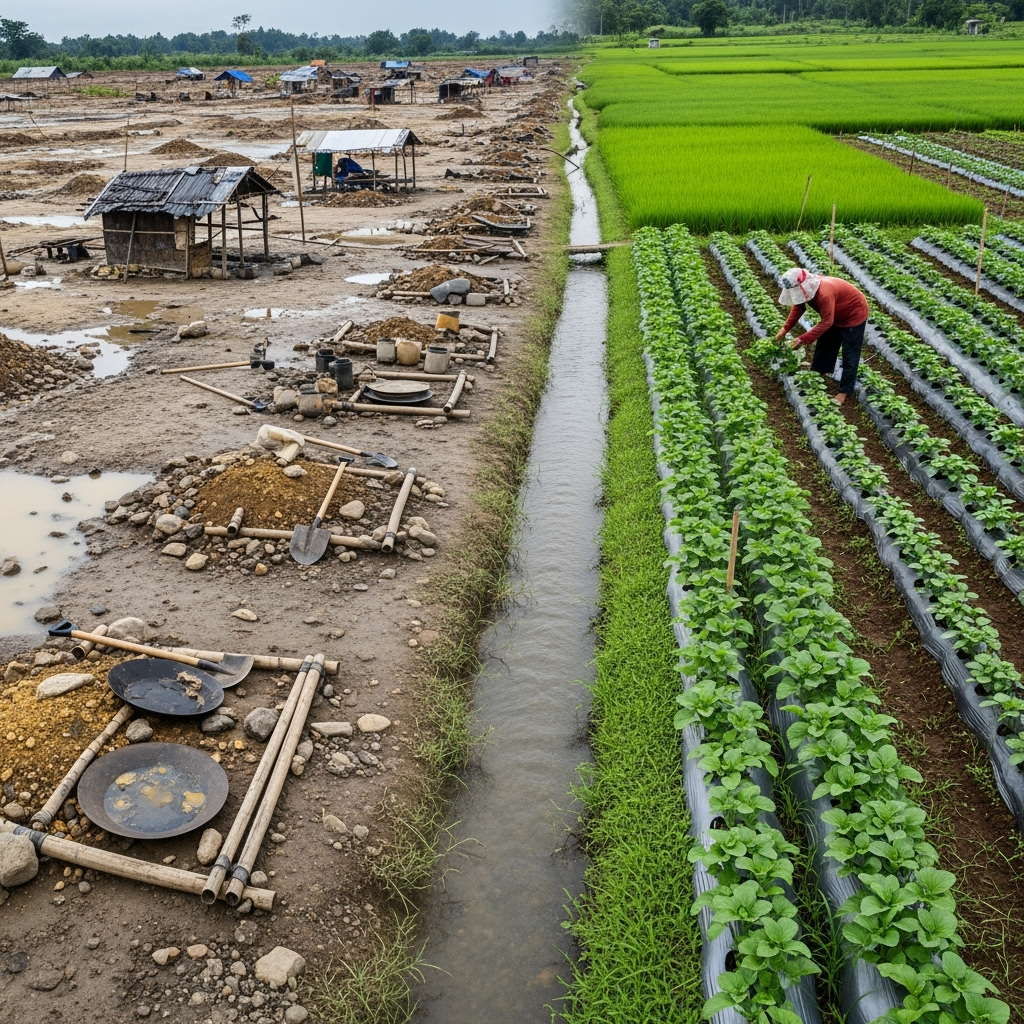
Dedi Supriadi wields his hoe on the soil of his eggplant and cucumber farm—a land once dedicated to gold mining in Citorek Kidul, Indonesia.
This mountainous area bears the scars of illegal gold mining, with workers digging deep into hillsides and endangering their lives.
Enticed by leftover gold from the former state-owned mine, Aneka Tambang (ANTAM), locals have turned to small-scale illegal mining, leading to deforestation and the use of harmful chemicals like mercury and cyanide, which pollute water and harm wildlife.
Environmentalists and critics have called for stricter regulations to halt these practices and promote traditional, less harmful livelihoods like farming.
With a police crackdown and some miners transitioning to farming, there’s hope for a turning point.
Sukmadi Jaya Rukmana, a local agricultural officer, assists miners in adopting traditional livelihoods.
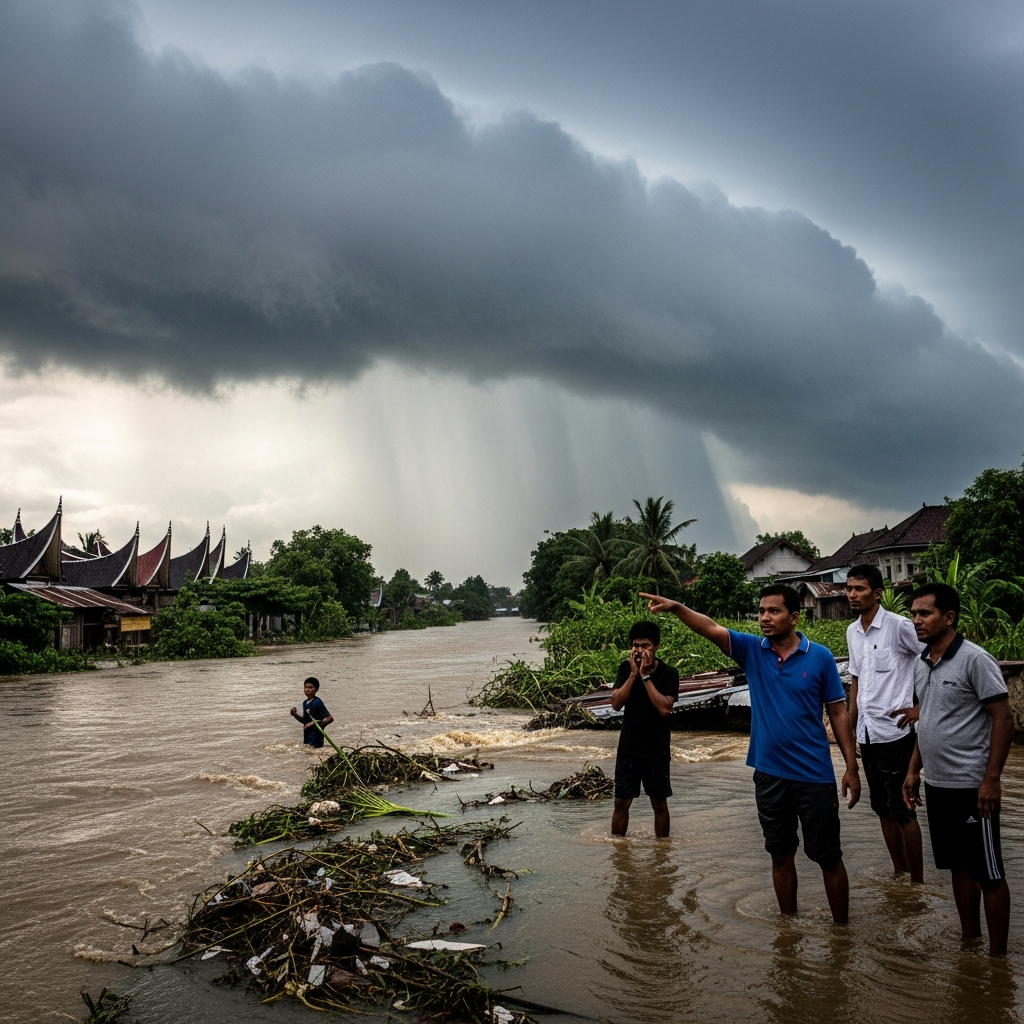
He cautioned that unchecked mining heightens the risk of lethal landslides.
“The removal of vegetation leaves rainwater to flow downhill unchecked,” Rukmana noted.
These threats prompted Supriadi to abandon mining.
“I’d rather farm than risk being buried in a mine, especially during the rainy season,” he said.
Citorek Kidul’s 1,800 residents inhabit the Kasepuhan Banten Kidul ancestral territory, located 130 km southwest of Jakarta.
Their culture of protecting sacred forests and harvesting rice is at risk as residents dig for gold, leaving irreversible pits and tunnels.
Indonesia, a megadiverse nation with extensive rainforests, contributes about 3% to global gold output, alongside South Africa and Peru, according to the U.S. Geological Survey.
The Citorek Kidul gold site was mined by ANTAM in the 1980s, with operations ceasing in the 1990s.
Economic hardship and lack of oversight led villagers to return to mining sites, employing artisanal methods without formal reclamation.
Illegal mining expanded as news spread.
In February, Banten Regional Police arrested 10 suspects for illegal gold mining, facing up to five years in prison and fines up to 100 billion Rupiah ($6.1 million).
Local authorities face challenges in encouraging sustainable income methods, like agriculture.
For centuries, Citorek villagers relied on inland fisheries and crop farming, said Jajang Kurniawan, head of the Banten Kidul Regional Indigenous Council.
The region lacks a mining tradition, initiated by large companies like ANTAM, with no clear mining rules established by the Indigenous council.
“It’s been ongoing for long, and bans lead to clashes with locals,” Kurniawan stated.
“Customary leaders advised against mining, but it’s only a recommendation,” he added.
Mining contributes to deforestation, waterway erosion, and soil degradation, according to a 2022 Media Ekonomi journal study.
EXPLORING DEPTHS
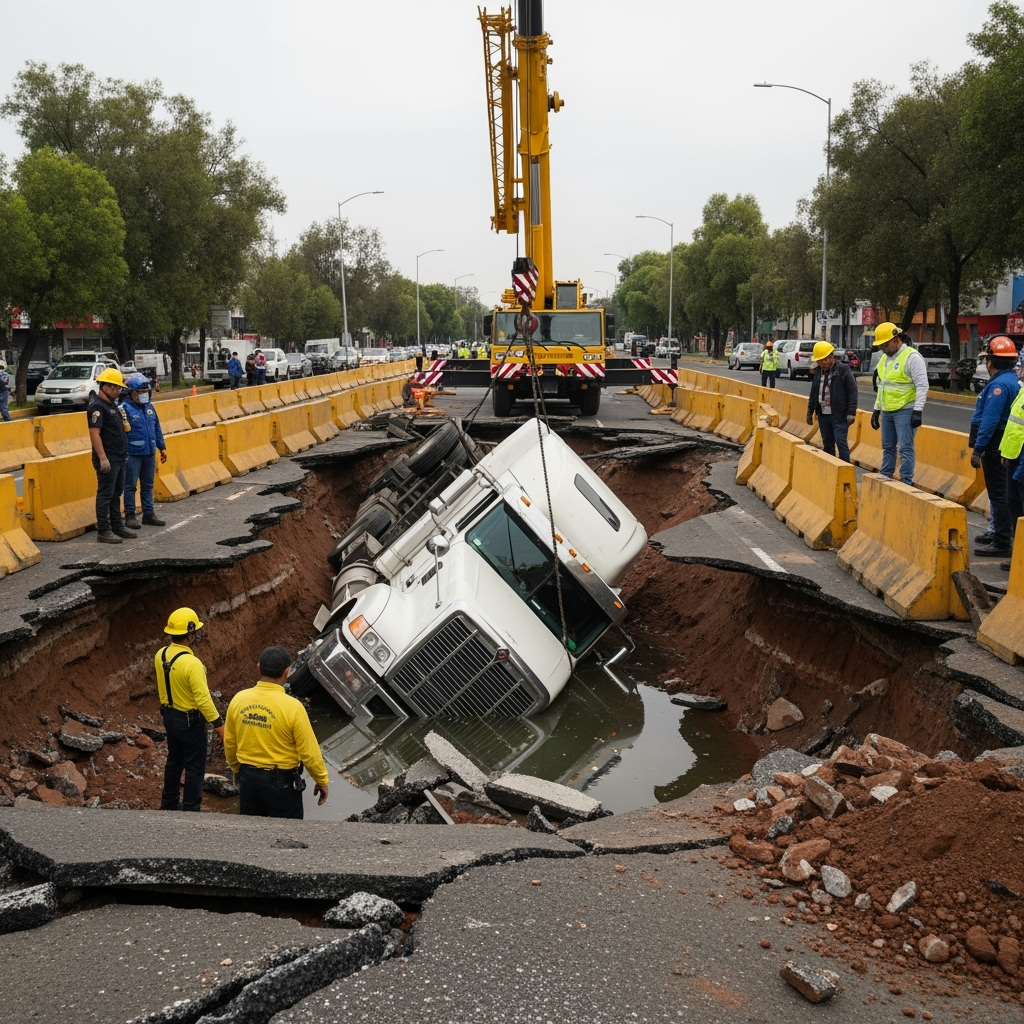
Stone carver Sumantri chisels up to 150 meters deep without protective gear for gold-bearing rock.
“It’s dangerous and prone to collapse,” he said, needing timber to support the walls.
A few years ago, he earned 10 million Rupiah ($612) from gold, but this year only 100,000 Rupiah ($6) daily.
Supriadi led a 15-person team, hauling 50 kg sacks and using dynamite in caves as deep as 100 meters.
Miners depend on air hoses connected to generators above ground, but the air is suffocating.
“Many friends developed lung issues from dust and machine air,” Supriadi said.
RETURNING TO FIELDS
In Indonesia, food production like mining is tied to deforestation for palm oil and crops.
Communities could practice small-scale farming respecting forests and natural cycles under customary laws.
To reduce mining, Indonesia must provide miners with alternatives and connect farmers to markets, said Rezki Syahrir, CEO of IISM.
“Economic diversification into agriculture, plantations, or fisheries is needed,” he said.
Local tradition regards rice as sacred, not for sale.
“They need money for education and utilities,” Rukmana noted. “You can’t pay bills with rice.”
He said 10 miners shifted to farming, potentially boosting the local economy by producing surplus vegetables.
Supriadi found a stable and safer income since leaving mining in 2016, now running a motorcycle repair shop.
“Mining drains you. Farming is far better,” he concluded.