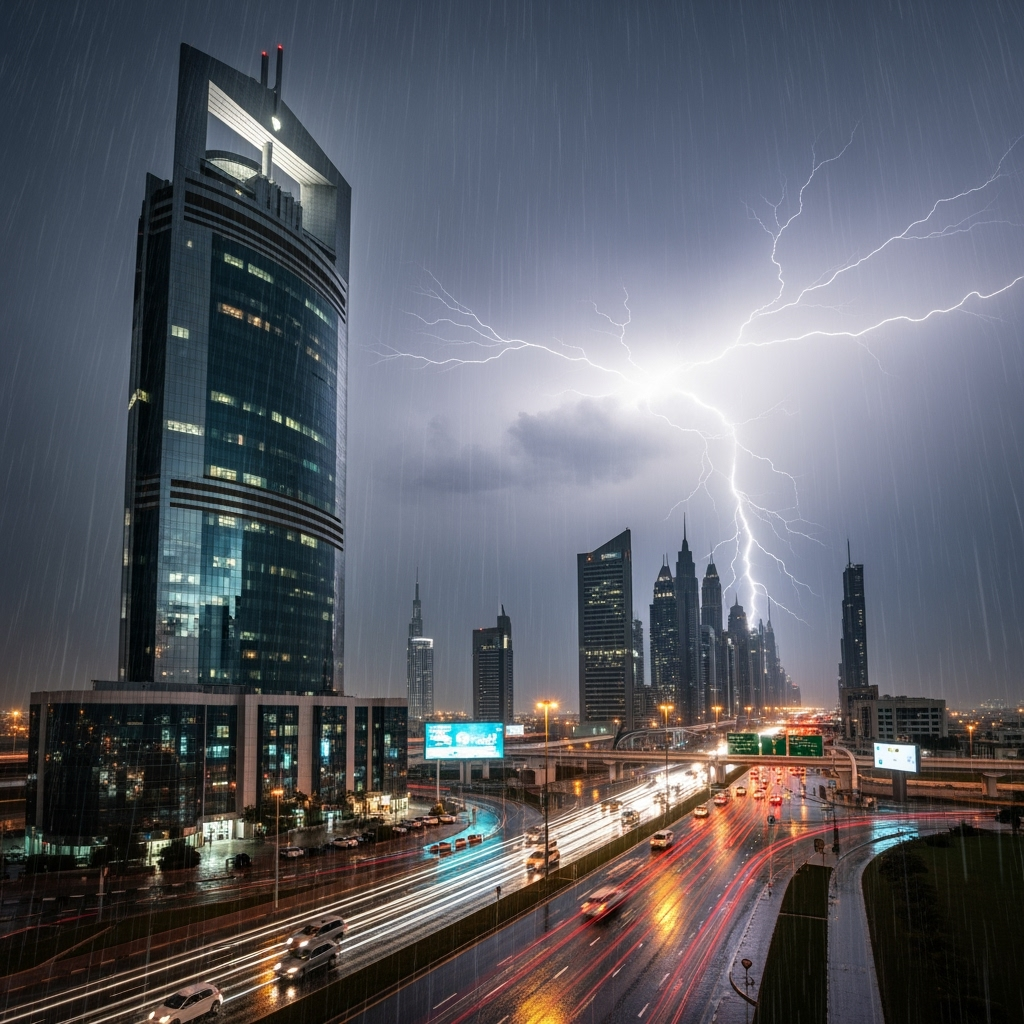
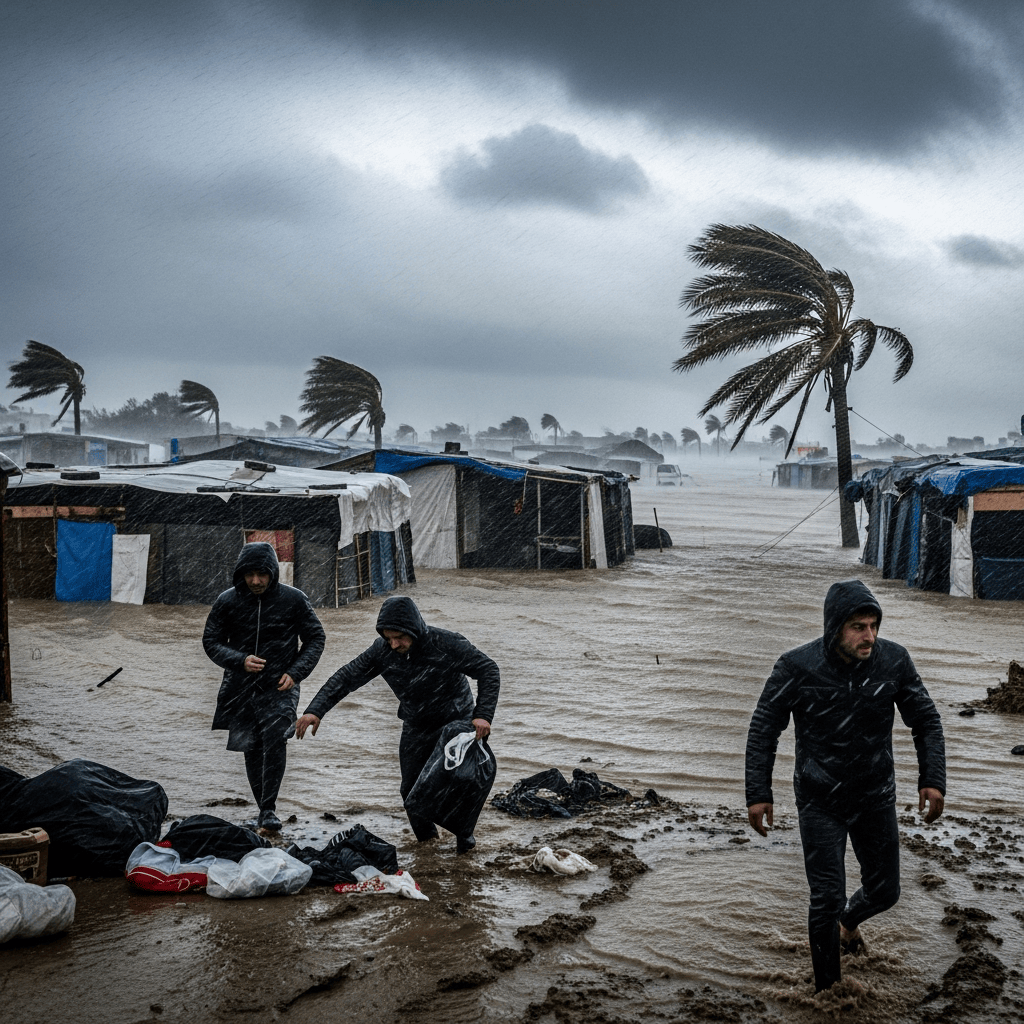
If high emissions persist, climate change could lead to nine million deaths annually by the century’s end, exceeding the Covid-19 pandemic’s death toll, a senior UAE health official cautioned.
At the World Economic Forum’s Global Future Councils, Maha Taysir Barakat, Assistant Minister for Health and Life Sciences, highlighted climate change as the primary global health threat, predicting economic costs of $2 to $4 billion annually by 2030.
The comparison highlights the severity of the climate health crisis. “Climate change is central to all health challenge discussions,” she stressed.
Stay updated with the latest news. Follow KT on WhatsApp Channels.
Six major global health challenges
Referencing WHO classifications, Barakat detailed six key global health challenges that evolve yearly but remain critical threats to human health.
Besides climate change, emerging diseases and antimicrobial resistance (AMR) form the second category, encompassing viruses jumping from animals to humans and resistant bacteria.
Tuberculosis, claiming 1.25 million lives yearly, represents a growing challenge due to antimicrobial resistance.
“What worked before is now less effective,” Barakat noted. “Some tuberculosis strains are not responsive to antibiotics.”
The third and largest category, noncommunicable diseases (NCDs), accounts for three-quarters of global deaths. “Over 40 million die from NCDs,” she said, including diabetes, heart disease, cancer, strokes, and dementia.
The fourth category involves communicable diseases beyond emerging threats. Tuberculosis is the leading killer in this group, while malaria impacts over 200 million and kills over half a million annually, mainly children and pregnant women.
World on brink of eradicating polio
The fifth category addresses polio, a disease nearing eradication. Barakat noted global cases dropped from 380,000 in 1988 to 36 in 2025, with 29 in Pakistan and 7 in Afghanistan.
“We’re in the final and toughest phase of eradicating this disease,” she stated. “The last disease eradicated was smallpox in 1980. I hope polio is next, we’re very close.”
However, Barakat warned of the crucial nature of this final stage. “Halting efforts now could explode polio cases worldwide, not just in the two countries.”
She stressed that the polio virus remains in sewage and water globally. “Unvaccinated individuals encountering the virus can develop polio,” Barakat explained. “Continued vaccination and education are vital.”
New category: Malicious attacks on health
The sixth emerging threat involves intentional and unintentional malicious attacks on the health sector.
“Intentional attacks include cyber attacks and synthetic drugs, while unintentional ones involve misinformation,” Barakat explained, stressing the need to consider this as a global health challenge.
UAE’s health investment philosophy
Barakat outlined the UAE’s health investment approach based on two principles. “A healthy population is a prosperous one, bringing happiness and economic growth,” she said. “Secondly, valuing human life means no one should die from preventable diseases.”
These principles guide the UAE’s commitment to health investment locally and globally.
Sheikh Zayed’s humanitarian legacy
The UAE’s global health dedication dates back to the 1970s, when Sheikh Zayed funded humanitarian programs pre-oil discovery.
“Before oil, Sheikh Zayed funded water sanitation in Africa,” Barakat noted. “His contributions are visible worldwide, in places named after him.”
In the 1990s, a meeting between Sheikh Zayed and former US President Jimmy Carter influenced the UAE’s disease eradication approach.
Millions in humanitarian aid
Today, the UAE continues this legacy by funding global health programs. “The UAE funds millions of vaccines through UNICEF, WHO, and Gavi,” Barakat said.
The nation provides humanitarian aid during natural disasters and maintains a presence in conflict zones. “In Gaza, the UAE has spent $828 million in aid,” she stated. “Field hospitals and medical assistance are also provided in conflict areas.”
“Globally, the UAE aims to strengthen health systems and eradicate diseases,” Barakat affirmed.
AI in healthcare
Domestically, the UAE invests in emerging technologies like AI to revolutionize 21st-century healthcare.
“AI will be a game changer,” Barakat stated. “It will open doors for advancements like gene therapy and stem cell therapy.”
The UAE has launched initiatives like the Emirati Genome Program for personalized medicine and the Abu Dhabi Stem Cell Center for regenerative treatments. The Emirates Drugs Establishment accelerates drug development.
“AI must be embraced to inform individual care and public health advances,” Barakat emphasized.