Dr. Mariam Matar, a prominent Emirati geneticist, shared that despite being 50 years old, her biological age is 28. She also stated that her vital organs function like those of a 16-year-old.
During the ‘Mental Longevity for Women and Supporting Technologies’ panel at the 6th Women in Technology Forum, Dr. Mariam, founder of the Emirates Genetic Diseases Association, asserted that women are biologically superior to men in intelligence and lifespan. She cautioned against the use of popular supplements like ashwagandha for women in the region.
Dr. Mariam attributes her youthful biological age to regenerative medicine and cutting-edge technology, emphasizing it as “evidence-based science.” She noted that women have genetic advantages, such as two X chromosomes, making them “99.9% more” analytical and better at prediction, contributing to their longer life expectancy by five years compared to men.
Stay informed with the latest updates. Follow KT on WhatsApp Channels.
Dr. Mariam’s journey into regenerative medicine was inspired by a transformative experience in Japan in 2011 during her genetics post-graduate studies. She was impressed by her professor’s vitality, who would hike to mountaintops at 7 am before clinic sessions, often arriving before his students.

Dr. Mariam Matar
A pivotal moment occurred when she met an elderly professor who passed away at 85, which was considered young. This event signaled a career shift towards regenerative medicine.
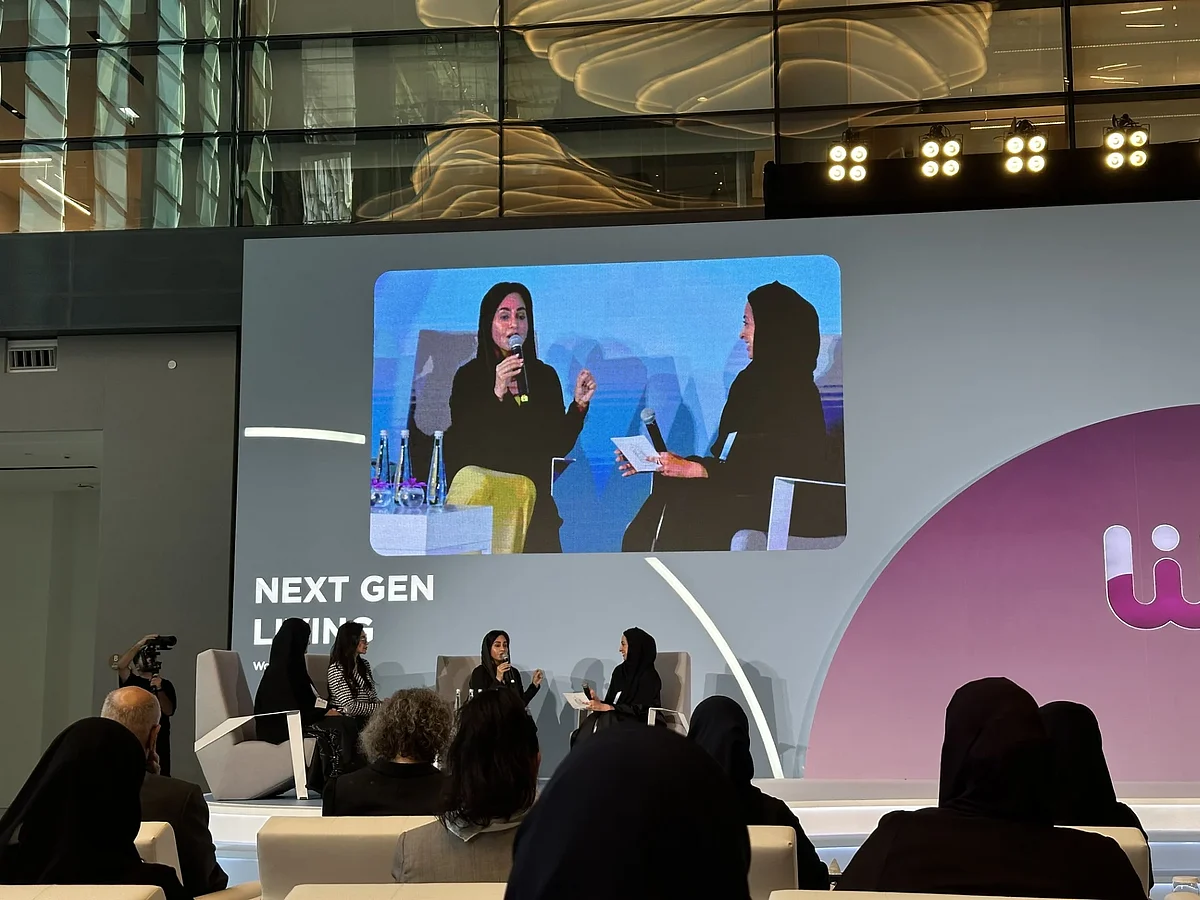
Dr. Mariam speaking at the Women in Technology Forum. KT Photo: Ruqayya Alqaydi
Dr. Mariam, who turned 50 on September 1, explained, “The biological age of my body is 28, while my kidney, liver, and heart are at 16.” She emphasized that advanced technology enables precise measurements of cellular age.
Assuming “full responsibility” for her claims, Dr. Mariam presented biological evidence of female superiority. She highlighted that women, due to their XX chromosomes, have enhanced analytical, forecasting, and diversity capabilities, making them “99.9%” superior in these aspects compared to men.
She humorously advised men: “If you have a smart boy doing well, thank his mother, as 99.9% of his intelligence comes from her.”
Women’s Contributions to Longevity and Biotech
Dr. Mariam highlighted women’s significant roles in scientific advancements.
She mentioned that the Longevity Institute, established in 2019, showed major female contributions to longevity research. Additionally, between 2000 and 2019, women contributed 27% to biotech companies worldwide.
Looking ahead, she stated, “Any female born in 2021 could live to 97 with proper care.” She stressed that extending life should focus on extending healthy years, “living your destiny as written by Allah.”
Dr. Mariam explained why women generally outlive men by about five years, citing behavioral differences and lower female suicide rates in countries like Korea and Japan.
She emphasized estrogen’s protective role: “As women, Allah gave us a protective factor for longevity.”
Dr. Mariam also noted that late motherhood could enhance longevity, suggesting that women who give birth at 42 could live longer, healthier lives compared to those whose last child is at 28.
She expressed confidence in reproductive technology, asserting that women can safely have children even at 46, thanks to advancements that identify common genetic disorders in babies.
Navigating Health Information
Dr. Mariam provided insight into health misinformation on social media.
“Even inaccurate information raises awareness,” she said, encouraging people to seek accurate medical advice.
She praised the UAE’s healthcare regulations: “In the UAE, no health service is provided without a license and supervision.”
Her advice for those seeking health information was clear: “Visit the nearest primary health care center. Even if the doctor lacks full information, they will ensure you receive accurate guidance or refer you appropriately.”
She warned against commercialized health advice that overlooks ethnic and individual differences, especially in longevity and wellness practices.