
Dubai Taxi Company (DTC) consistently achieves strong financial results while supporting Dubai’s vision for a smart and sustainable transport system.
Amit Khandelwal, DTC’s CFO with 25 years of financial expertise, oversees Finance, Procurement, and Investor Relations at DTC. He states: “In 2024, DTC achieved a 12% revenue growth, reaching Dh2.2 billion, thanks to an expanded fleet and increased trips across taxi, limousine, bus, and delivery services. EBITDA rose by 19% to Dh584 million, maintaining a 27% margin. Despite a 4% drop in net profit to Dh331 million due to corporate tax and higher interest costs, underlying net profit rose by 18% when excluding these factors.
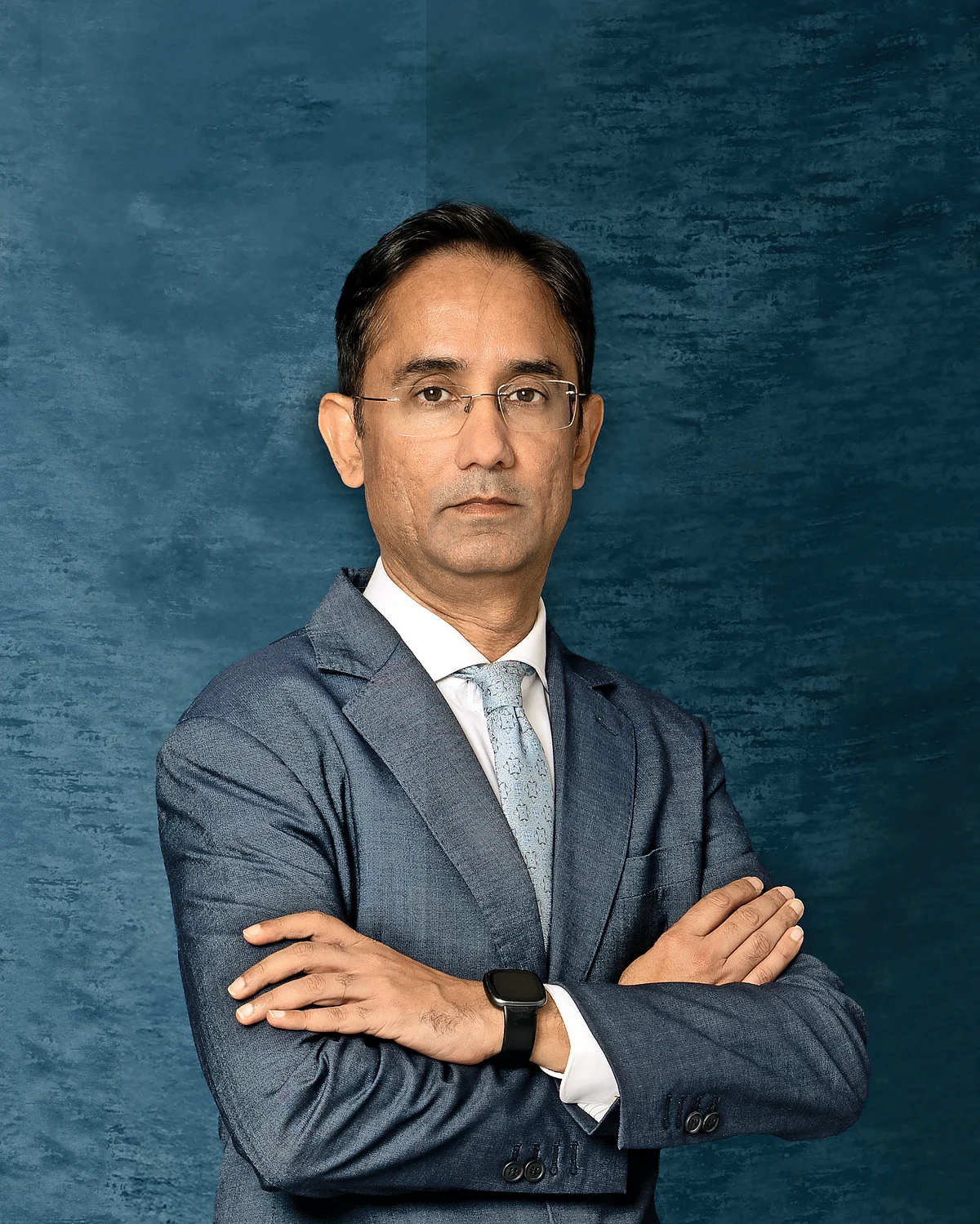
Amit Khandelwal, CFO of DTC.
In H1 2025, revenue grew 11% year-on-year to Dh1.2 billion, driven by fleet expansion, strategic alliances, and demand for smart mobility solutions. EBITDA increased by 8% to Dh335 million with a 28% margin, and net profit slightly rose to Dh189 million.
DTC’s operational fleet expanded by 23% to 10,180 vehicles by June 2025. Key developments included integrating over 6,000 taxis with Bolt, aiming to build the UAE’s largest e-hailing ecosystem, renewing a partnership with Dubai Airports, and collaborating with Al-Futtaim Electric Mobility.
DTC ensures financial transparency and strong governance, aligning with local and international standards. Its financial reports meet international accounting standards, ensuring clarity for investors. The Audit Committee conducts regular audits, reporting findings to the Board.
“At DTC, we provide open communication with investors, offering timely updates on financial performance and governance. This shows our commitment to transparency and positions DTC as a responsible leader in the transport sector,” Khandelwal states.
DTC leads Dubai’s transport sector with its eco-friendly fleet, 88% of which are hybrid or electric, aligning with Dubai’s sustainability goals and reducing environmental impact. The company’s five-year strategic plan (2025–2029) emphasizes growth, digital transformation, and sustainability, including a comprehensive ESG strategy.
“Our EVs have fast chargers, enabling drivers to maintain trip numbers and revenue. We procure cost-competitive EVs with extended range and warranties, maintaining or improving profit margins,” Khandelwal assures.
DTC reduces fuel and maintenance costs, invests in digital platforms like Bolt, and enhances brand reputation, attracting more customers and investors. The expansion through Bolt primarily uses an operating cash flow model, minimizing the need for large investments.
“Our main investments are in licenses and vehicles on payment plans, generating immediate cash flow. We don’t anticipate major funding needs for expansion unless entering a large asset-intensive partnership,” adds Khandelwal.
“DTC is evolving with purpose, embracing innovation, and solidifying its market position. Our focus is on sustainable growth and delivering long-term shareholder value. Support from shareholders drives us to set new standards, expand capabilities, and create lasting impact. Together, we’re shaping a future of unparalleled opportunity,” concludes Khandelwal.