As we enter 2025, Dubai’s economy is on a remarkable upward path, reinforcing its status as a leading global investment hub.
In the first quarter of 2025, Dubai recorded a GDP of Dh119.7 billion, a 4% rise from the same period last year. This growth was driven by sectors like finance and insurance, accommodation and food services, information and communications, wholesale and retail trade, and real estate. The UAE’s broader economy is projected to grow between 5% and 6% this year, backed by a diverse growth strategy, robust oil market, and a thriving non-oil sector expected to grow 4.5%.
The IMF forecasts Dubai’s economy to grow by 3.3% in 2025 and 3.5% in 2026, indicating steady medium-term growth. This follows a strong 2024, where Dubai’s GDP increased by 5.8% to Dh541 billion, reflecting widespread growth across trade, finance, industry, transport, and real estate.
Hadi Badri, CEO of Dubai Economic Development Corporation, noted that the city’s economic momentum is a result of strategic planning. “In a time where businesses, investors, and entrepreneurs seek stability, Dubai’s sustained economic growth highlights its global appeal. Driven by visionary leadership and strong public-private partnerships, Dubai’s progress through 2024 and into 2025 aligns with the goals of the Dubai Economic Agenda D33.”
In Q1 2025, finance and insurance contributed Dh16 billion, marking a 5.9% year-on-year increase, accounting for 13.4% of GDP. The real estate sector grew by 7.8%, while accommodation and food services rose by 3.4% and information and communications by 3.2%.
The wholesale and retail trade sector, the largest contributor, brought in Dh27.5 billion or 23% of GDP, up 4.5% from last year. Manufacturing grew by 3.3% to Dh8.7 billion, while transport and storage, boosted by Dubai International Airport traffic, rose 2% to Dh15.7 billion.
Human health and social work activities exhibited the fastest growth at 26%, showcasing Dubai’s investment in health infrastructure, positioning itself as a healthcare hub. Younus Al Nasser, CEO of Dubai Data and Statistics Establishment, stated, “In an age of data and AI, reliable statistics are key to understanding trends and planning future developments. The Q1 2025 results highlight Dubai’s economic progress, enabling informed decision-making for policymakers, researchers, and businesses.”
Investor Confidence
Dubai’s success isn’t confined to macroeconomic performance but extends to attracting foreign direct investment. The Dubai International Chamber reported welcoming 143 new companies in the first half of 2025, including 31 multinationals, a 138% increase year-on-year. Small and medium enterprises also thrived, with 112 new firms compared to 47 in the first half of 2024.
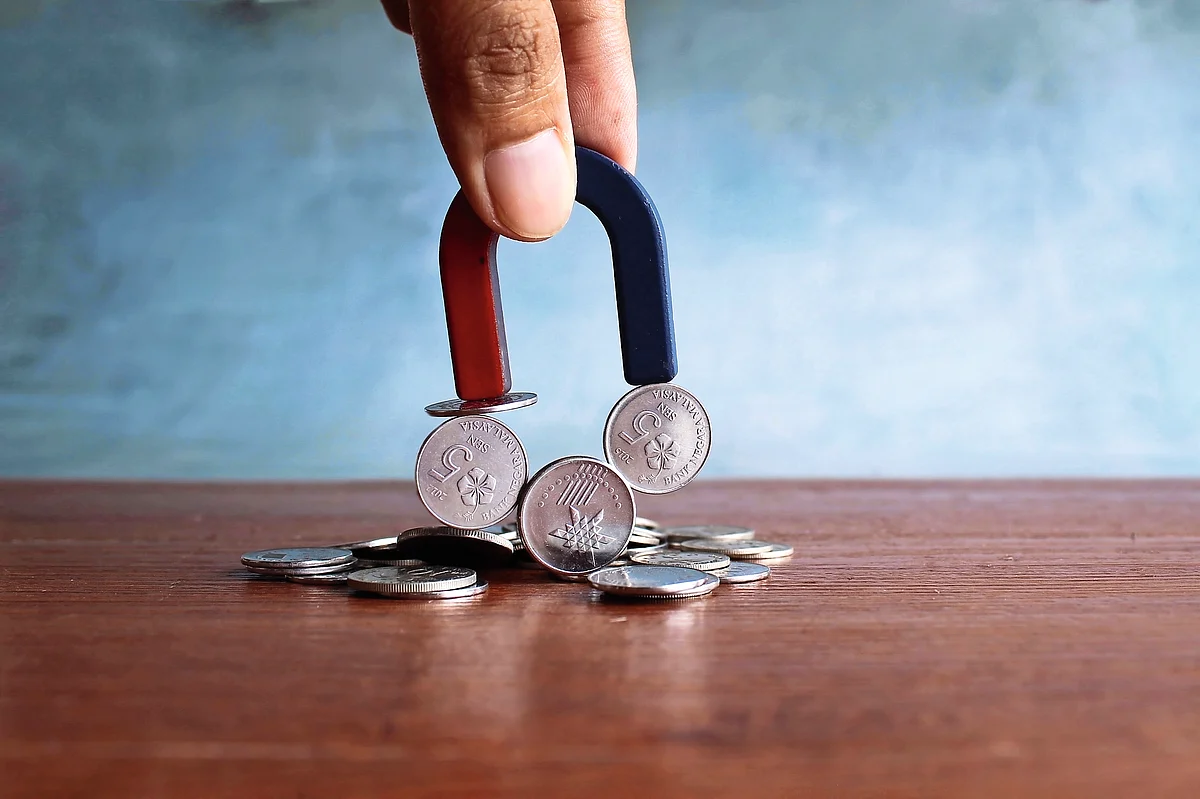
Sultan Ahmed bin Sulayem, Chairman of Dubai International Chamber, highlighted Dubai’s allure as a global magnet. “We are making steady progress in cementing Dubai as the top choice for foreign direct investment and a launchpad for companies pursuing international growth. This momentum is driven by Dubai’s unique advantages, including world-class infrastructure, a pro-business regulatory environment, and strategic global market connectivity.”
The Dubai Multi Commodities Centre, the world’s largest free zone, welcomed over 1,100 new companies in the first half of 2025, nearing 26,000 total memberships. Its Crypto Centre now hosts over 700 companies, including major names like Bitcoin.com and Animoca Brands. Additionally, the Dubai International Financial Centre added several high-profile global financial institutions this year, such as PIMCO, Manulife, and China International Capital Corporation, increasing the number of regulated entities by 17% to 980.
Wealth and Family Offices on the Rise
Beyond corporations, Dubai is witnessing a surge in relocations by family offices and high-net-worth individuals. Around 200 family offices have set up in Dubai’s financial centers over the past year, totaling nearly 800, with many moving from Switzerland and Europe for favorable tax and inheritance laws. The UAE hosts three-quarters of the Middle East’s family offices, with assets expected to reach $500 billion by 2025’s end.
Dubai is surpassing rivals in wealth migration too. Henley & Partners reported nearly 10,000 millionaires and billionaires moved to the UAE in 2025, with Dubai attracting most, bringing $63 billion in investable wealth. Dubai is expected to welcome 7,100 millionaires this year, including over 200 centi-millionaires and at least 15 billionaires, comprising more than a quarter of the Middle East’s private wealth. Knight Frank notes Dubai hosts over 72,000 HNWIs, with numbers expected to grow 50% by 2030.
Dubai’s tourism sector remains strong, welcoming 3.82 million overnight visitors in the first two months of 2025, a 4% rise from 2024. In 2024, Dubai hosted 18.72 million overnight visitors, up 9% from 2023, solidifying its position as the fifth most visited city globally.
The real estate sector is another growth anchor. Luxury properties are in high demand, with record sales on Palm Jumeirah and Downtown Dubai. Knight Frank reports 68% of global HNWIs plan to invest in Dubai real estate in 2025, with an average spend of $32 million. Dubai Land Department data shows long-term stability, with over 84,000 property transactions worth nearly Dh300 billion since 2021, establishing Dubai as one of the world’s most active property markets.
Dubai’s commitment to creating a diversified, investor-friendly, and globally integrated economy is reflected in global rankings. The emirate ranks among the top 25 cities in the Global Cities Index, eighth globally and first regionally in the Global Power City Index, and fifth globally in the Brand Finance Global City Index, surpassing Singapore and Los Angeles. It is recognized as the world’s most reputable city for business and investment, topping regional rankings in digital governance, entrepreneurship, and safety. The Julius Baer Global Wealth and Lifestyle Index ranked Dubai seventh worldwide, reflecting its luxury services cost and attractiveness to global elites. Dubai International Airport remained the busiest globally for international passengers in 2024, handling over 92 million travelers, emphasizing its global connectivity.
Outlook and Vision
As Dubai moves towards the ambitious Dubai Economic Agenda D33, aiming to double the economy to Dh32 trillion by 2033, its outlook is exceptionally strong. The emirate leverages its role as a trade, financial, and tourism hub while heavily investing in technology, digital infrastructure, green energy, and innovation ecosystems.
Government policy continues to be crucial in fostering a competitive environment. Reforms like long-term Golden Visas, retirement residency schemes, 100% foreign ownership, and supportive legal frameworks in financial free zones like DIFC and ADGM offer a secure setting for investors. The government’s ongoing infrastructure investments, from airport expansions to smart city technologies, further bolster Dubai’s global standing.
Dubai’s global investor appeal results from a long-term, integrated strategy. From economic diversification and regulatory innovation to its central geographic position and unmatched connectivity, Dubai has crafted a model emulated worldwide. Whether for multinationals seeking a global operations base, family offices managing wealth, or entrepreneurs and innovators seeking a launchpad, Dubai stands as the destination of choice.