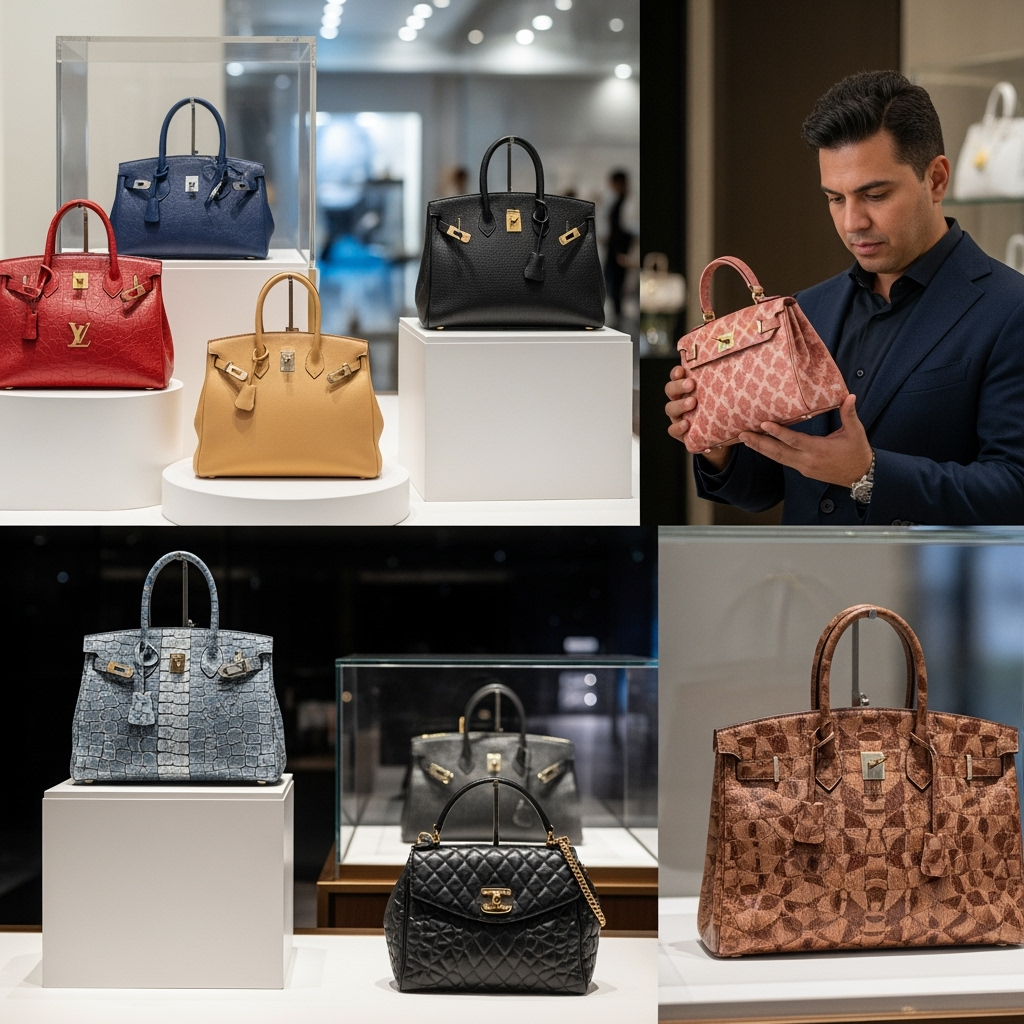
Once merely considered a chic accessory, designer handbags have now turned into lucrative investments, fueling a thriving collectors’ market in Dubai. The city’s first specialized handbag auction house has already reached sales of $350,000 (approximately Dh1.28 million), highlighting the significant value of these items. Just last month, an original Hermes Birkin achieved a $10m sale at Sotheby’s in Paris, solidifying its status within the collectors’ scene.
At the forefront of this burgeoning industry is Claire Marie, appointed in 2023 as Sotheby’s first permanent handbag specialist in Dubai—previously a role managed by consultants from Europe.
Marie remains the only handbags and accessories expert in the region, with a specialty in Hermès. Having worked as an Hermès artisan, she crafted the iconic bags from scratch, and now leverages this insider knowledge in the collectors’ world. For fashion lovers, it’s a dream job.
The rising interest in luxury collectibles, especially handbags, has brought new entrants into the market, from private sellers to auction houses, with Sotheby’s emerging as the top destination globally for handbags.
Among her notable sales is a White Matte Niloticus Crocodile Himalaya Birkin 25 with 18K white gold and diamond hardware made by Hermès in 2021, one of the priciest bags to date. “It was featured in our inaugural ORIGINS auction in Saudi Arabia this February and sold for $336,000—an outstanding result illustrating the region’s luxury market strength and the growing demand for pristine handbags,” Marie tells wknd. “The local consignment of such an exceptional handbag speaks to the caliber of collectors and consignments in the Gulf today.”
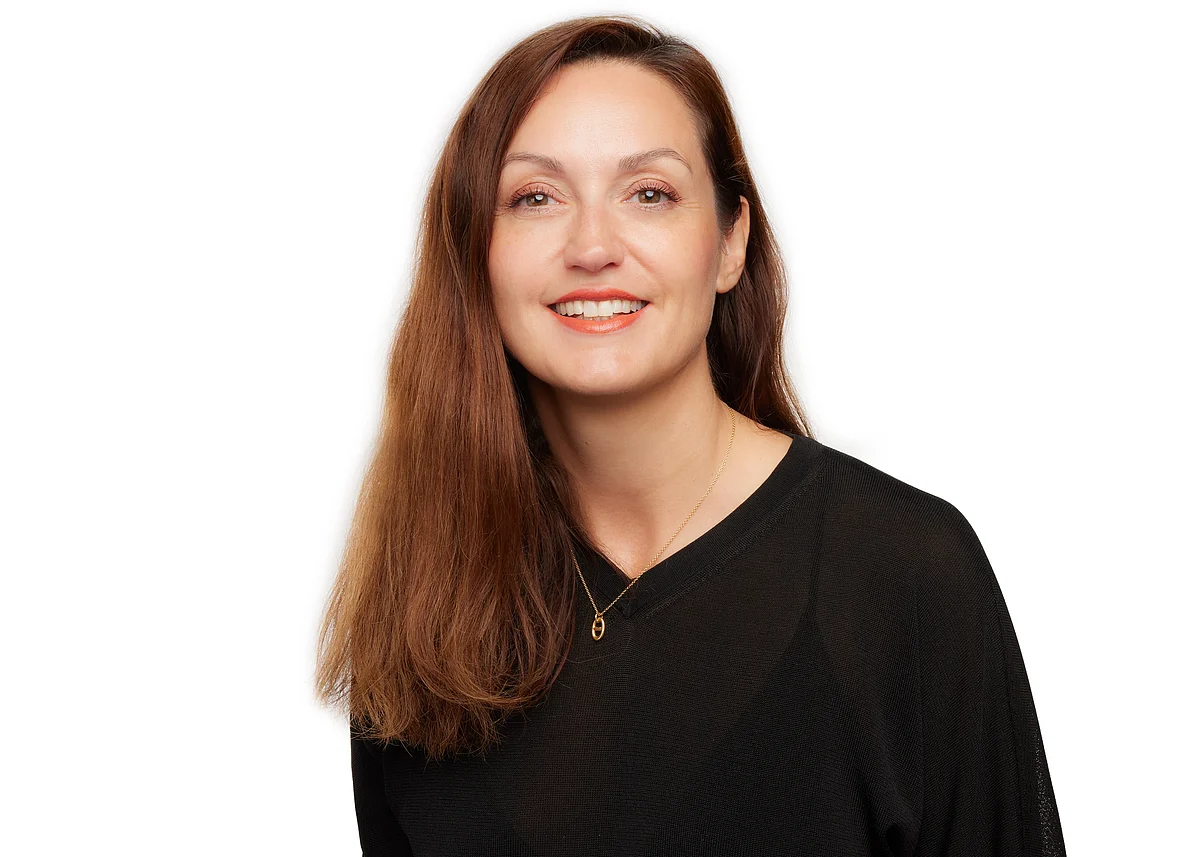
Claire Marie
Marie notes that in recent years, Gulf clients have developed a global outlook and diverse tastes that echo international trends. “They travel often, attend international fashion events, and keep up with runway shows, so they are well-informed from a retail perspective.”
Her role involves educating clients about auctions and the global handbag market. Although clients are fashion-savvy, understanding auctions requires deeper expertise. “In the secondary luxury market, the Gulf’s grasp of maximizing opportunities is sometimes inconsistent, which is why much of my role involves education and clarifying auction dynamics, product consignment, and bidding processes,” she explains.
“There are often inflated expectations on valuations that don’t match global benchmarks. This fuels speculation based on perceptions rather than data,” Marie adds, noting that this is common on social media. “That’s why I always advise clients to trust reputable sources like Sotheby’s to avoid overpaying.”
Handbags have become a significant asset for Sotheby’s, which was founded in London in 1744. In 2024 alone, the auction house held 16 luxury handbag auctions in New York, Hong Kong, Paris, and Zurich, more than any other auction house.
In the Gulf, women seek specific items, including high fashion, classic elegance, and discontinued timeless pieces, says Marie. “Currently, there is strong demand for Mini Kellys, as well as Birkins and Kelly 25. The smaller sizes are especially desired for their versatility and elegance.”
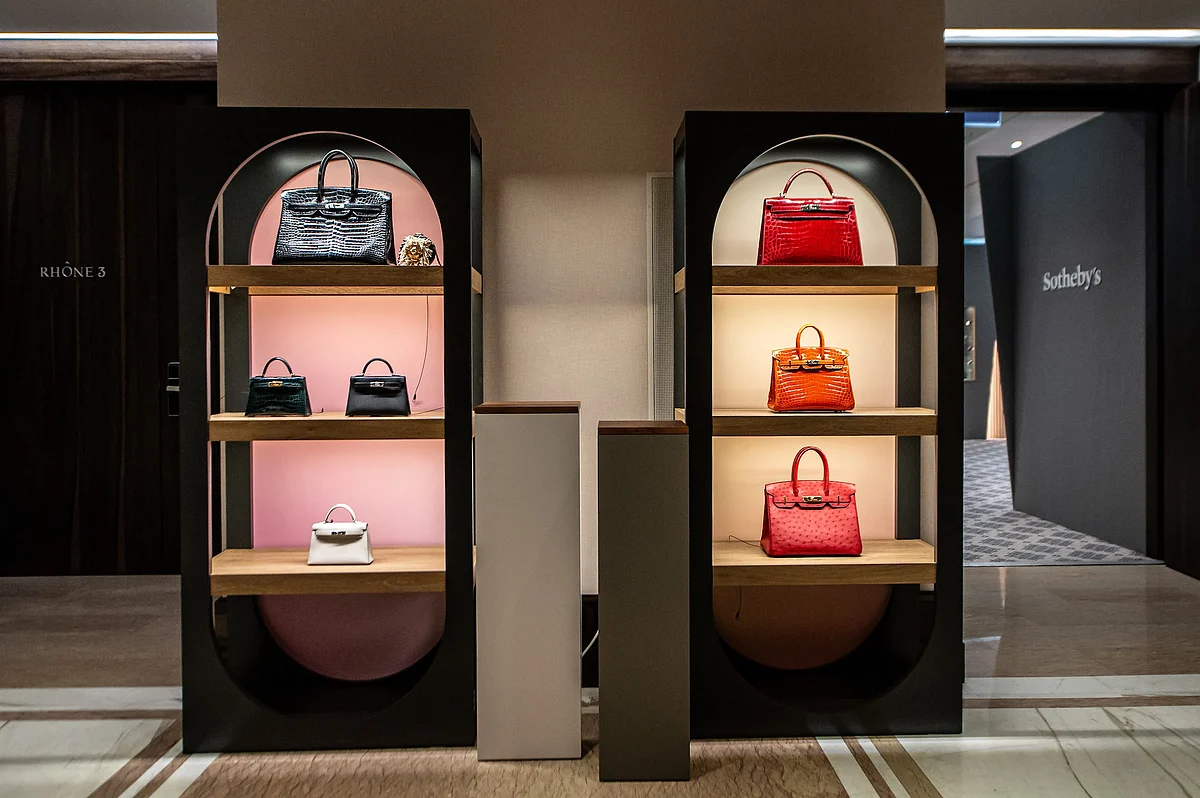
Collectors are also attracted to limited-edition Blue Box designs, such as the Quelle Idole and Faubourg 20, alongside Himalaya Birkins and vibrant seasonal colors that align with the region’s bold style. “For Chanel, collectors are keen on Minaudières and Métiers d’Art limited editions, particularly those from Karl Lagerfeld’s era. Exotic skins, now discontinued, are highly valued due to their rarity and craftsmanship, which are increasingly hard to find.”
Recent sales featured notable pieces like the Black Shiny Crocodile Niloticus and Togo Birkin Touch 25 with Rose Gold Hardware (2019) — a rare edition combining crocodile, Togo leather, and rose gold accents.
Another highlight was the Hermès Bubblegum Pink Matte Alligator Birkin 35 with Palladium Hardware (2013), a discontinued style that was quickly purchased as its rare color surged in popularity following the Barbie phenomenon—a clear example of how pop culture and scarcity intersect in luxury markets.
Marie started her personal collection during her time with Hermès, where artisans could craft one personal bag annually, marked with a signature star stamp. “My first creation was an Évelyne 28 in Chocolate Evercalf, a unique piece never sold commercially, which I’m very proud of. Then came a Birkin 35 in Evergrain leather, which felt like ‘butter’ during the saddle-stitching process,” she recalls.
“I also made a Constance 24 in Vert Véronèse Epsom with gold hardware, reflecting my love for timeless design and my favorite color, green. While I’ve added other beautiful pieces like a Rouge Vif Kelly Danse, a Black Epsom Bolide 27, and an Emerald Green Chanel Boy, none hold the same sentimental value as those I crafted myself,” Marie adds.
As a dedicated collector, she’s always searching for the next piece. “My dream piece would be a Kelly 25 Sellier in Craie or Blue Saphir with gold hardware. It’s an elegant, structured, and timeless handbag.”
Marie advises collectors visiting the Dubai gallery to buy what they truly love and what suits their lifestyle before following trends. “I recommend starting with versatile, low-maintenance leathers like Epsom, Swift, or Evercolour from Hermès and Caviar leather for Chanel, to build a diverse collection for different occasions, from daily elegance to evening refinement.” As collectors gain confidence, they can explore rare pieces, Marie adds. “You can then delve into Doblis, goatskin, lambskin, marquetry work, Blue Box limited editions, seasonal exclusives, and exotic skins that match your personal style and goals.”
Additionally, knowing when to sell a bag is crucial for maximizing assets. If a handbag remains unused for six months, Marie suggests auctioning it. “The return on investment can be substantial, up to a quarter or third of the original price for certain items, especially if the bag is in excellent condition.”
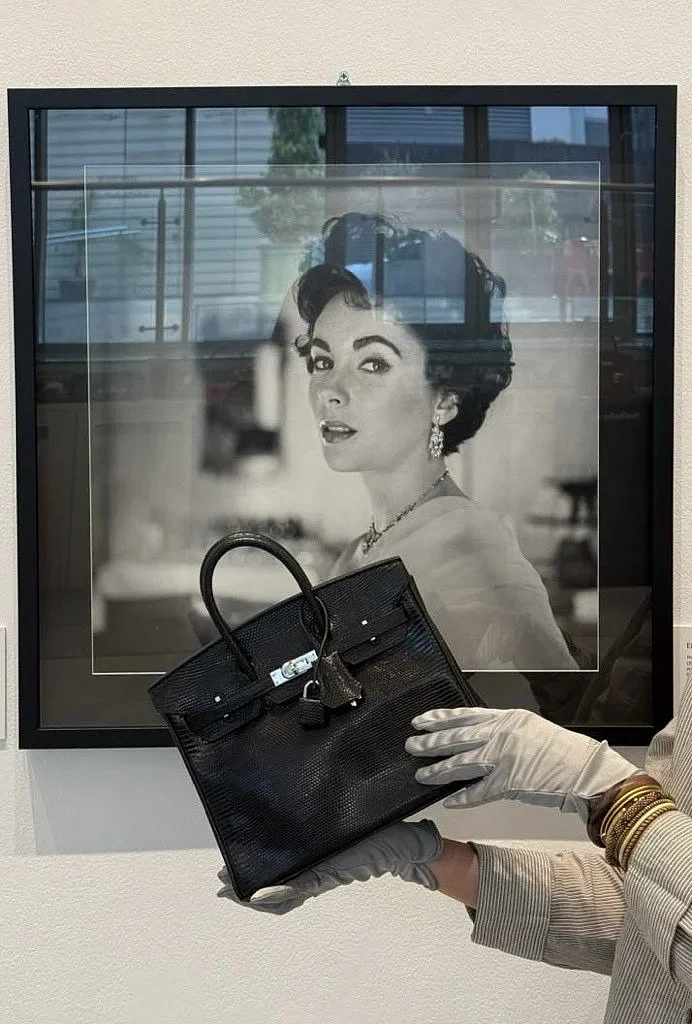
Claire’s top tips for taking care of your luxury pieces
• Avoid direct exposure to sunlight and moonlight as they can fade or distort delicate leathers.
• Keep bags away from air conditioning or heaters to prevent drying or damage over time.
• Allow your bags to breathe: avoid sealing them in boxes for too long — air them occasionally if not in use or before selling. Rotation and airflow help preserve leather integrity.
• Maintain shape by gently stuffing the interior with acid-free paper or fabric.
• Avoid pens near your handbag; use pencils instead.
• For dust removal, use a dry, soft microfiber cloth. For other cleaning, consult a specialist, especially for rare models like the Birkin. Ideally, contact the original maker or a qualified leather artisan for cleaning, as they have unique expertise and tools not available on the general market. Though the wait may be long, it’s worth it.