Last month, Dubai introduced the Unitree G1 humanoid, capturing attention as it greeted the Dubai Ruler, jogged across streets, and lit up social media. Yet, there’s a deeper narrative behind the viral footage.
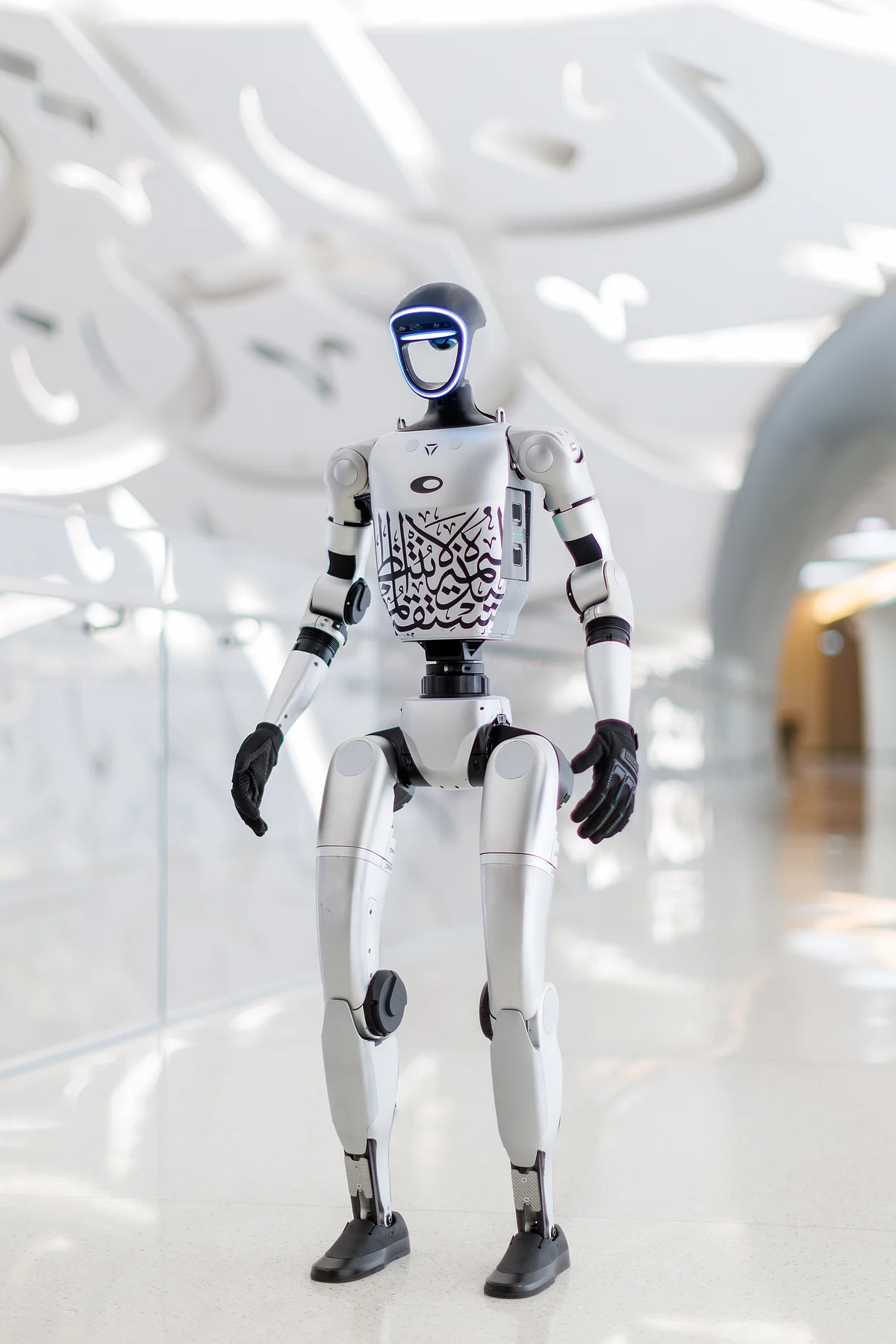
Now, the robot is accessible to the public, allowing direct interactions at the Museum of the Future. Visitors can experience its size, movements, and responsiveness firsthand, offering what videos cannot.
“These robots aim to build comfort, reduce fear, and create safe interactions with robotics,” stated Ahmad AlAttar, senior robotics engineer at Dubai Future Labs, in an interview with Khaleej Times. “Public displays in museums invite people to envision future roles for humanoids in malls, airports, and eventually homes, acknowledging that these technologies are still developing.”
Stay informed with the latest updates. Follow KT on WhatsApp Channels.
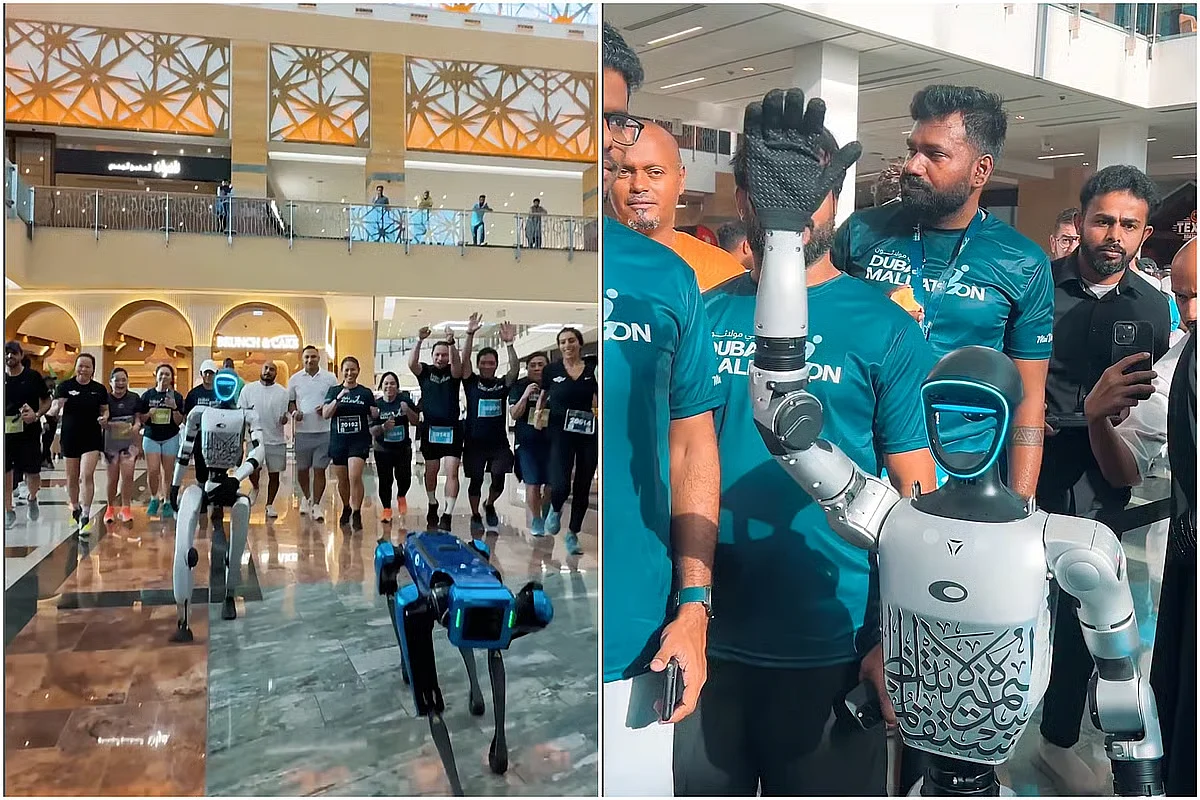
Photo: Screengrabs from video by Dubai Mallathon on Instagram
Experience a humanoid firsthand
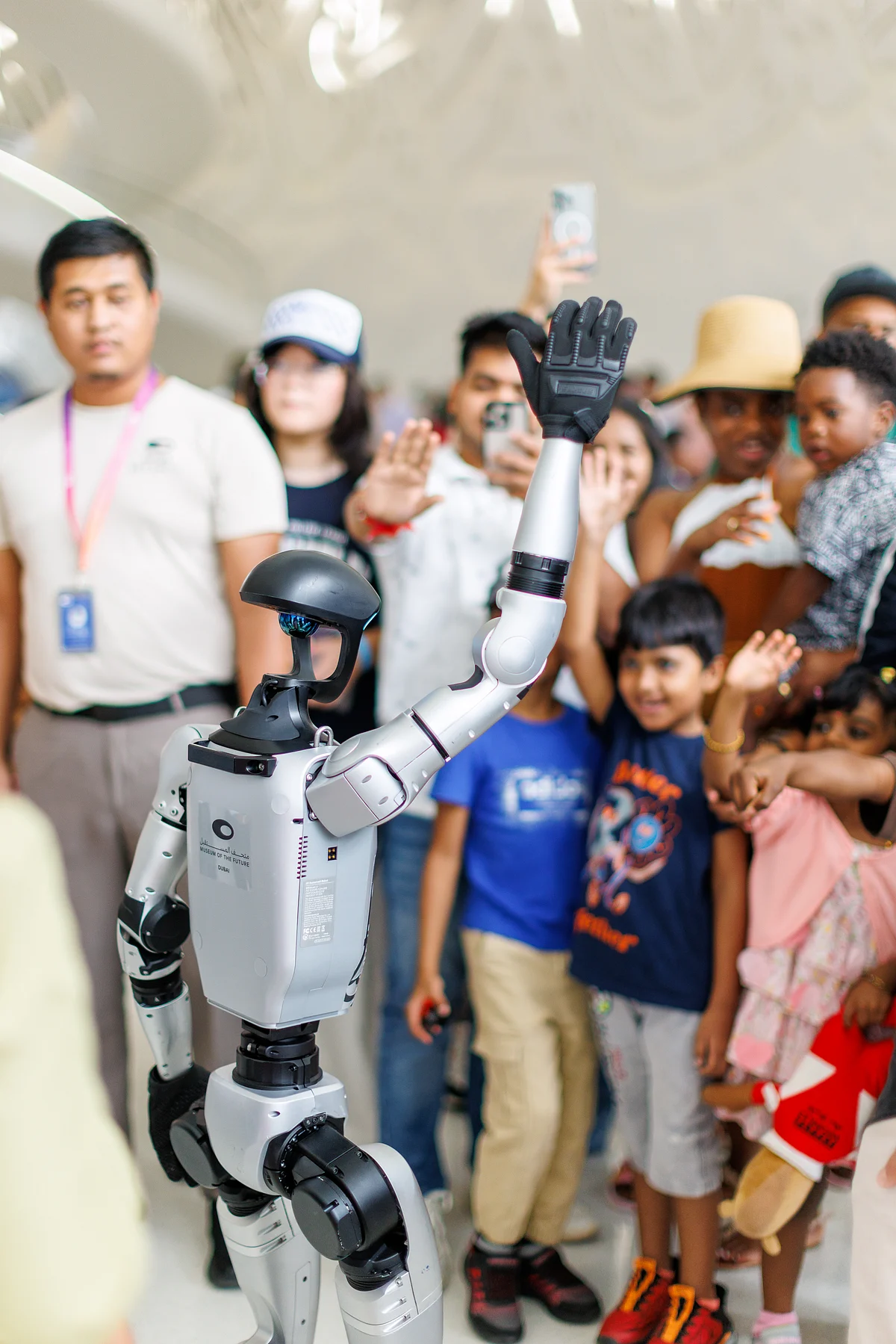
Unlike factory robots, humanoids are meant to be visible. Their actions — a wave, a step, or a head tilt — can invoke personal reactions. “People often feel curiosity, wonder, or even unease meeting a humanoid,” Ahmad noted. “These feelings help society process sharing space with smart machines.”
In person, the robot’s movements are more relatable and less mechanical than anticipated. Whether on stage or greeting with a wave, it’s an emotional and memorable encounter that merges imagination with reality.
From education to culture
The Unitree G1 also plays a role in education. Distributor Ednex reports over 100 humanoids sold to UAE universities for human-robot interaction research.
“It’s about more than one robot model; it’s about a city gearing up for a future with humanoids in daily life,” Ahmad explained.
Featuring LiDAR, depth cameras, microphones, and speakers, the G1 perceives and responds to its environment. It runs for four hours per charge, with modular hands adaptable for various tasks. Priced at $16,000, a consumer Unitree R1 model launching later this year at $6,000 aims to bring humanoids into mainstream use.
Robots shaping Dubai’s future
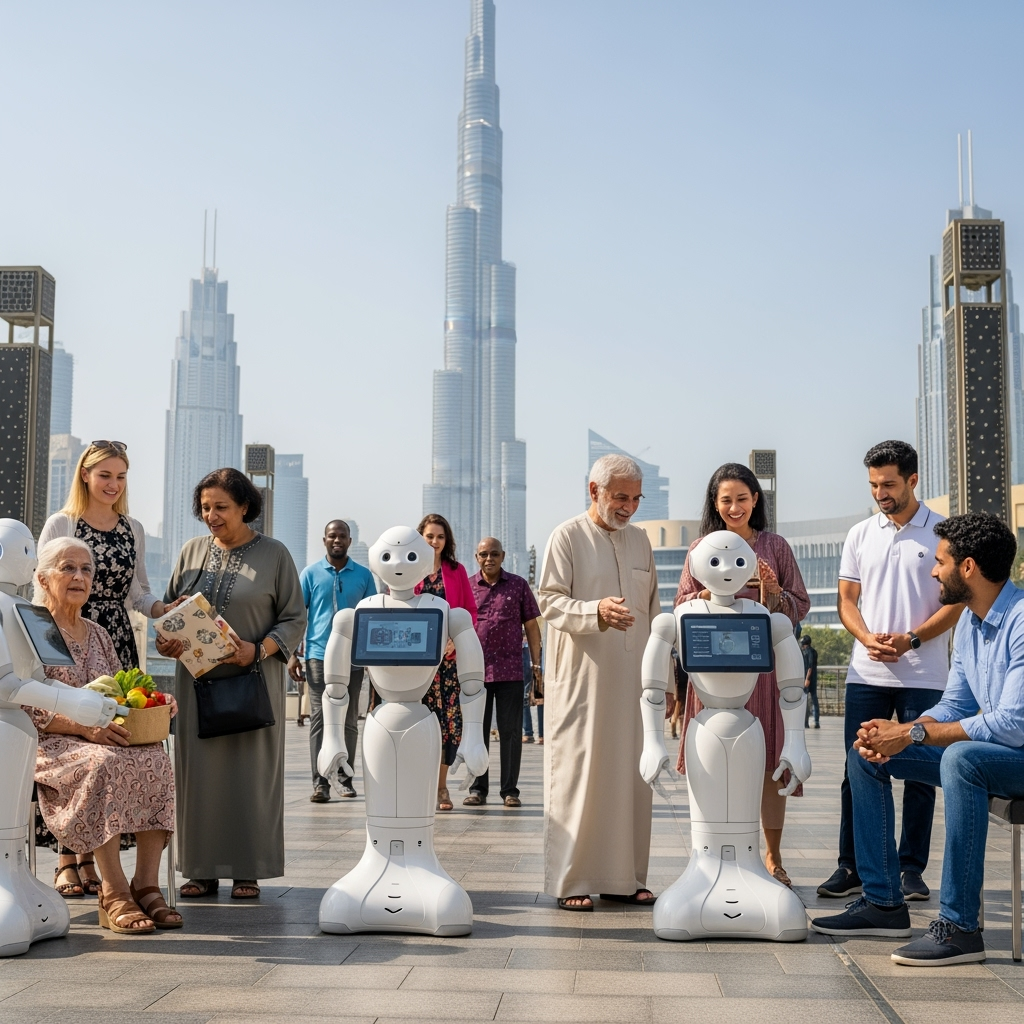
By showcasing humanoids publicly, Dubai positions itself to explore societal adaptation to smart machines. “These technologies in public spaces shape cultural dialogue on robotics: perception, interaction, and integration values,” Ahmad stated.
At the Museum of the Future, the G1 sparks discussions on human-machine coexistence in urban settings. Dubai’s humanoid experiment is about more than robots; it’s about societal reactions to futuristic technology.
“It’s about their societal impact, with Dubai leading the global conversation,” Ahmad concluded.