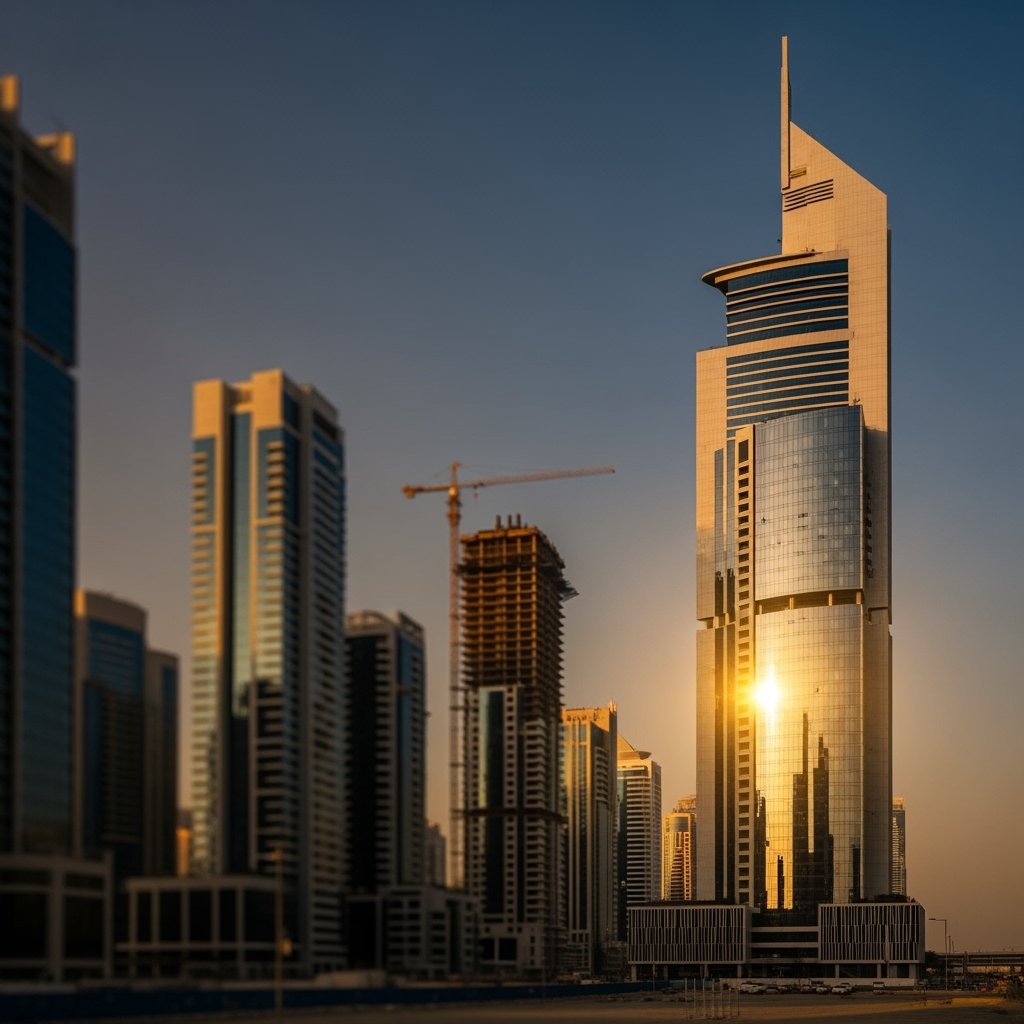
Dubai’s real estate market, renowned for attracting international investors and affluent individuals, is undergoing a transformative shift due to a groundbreaking initiative.
Data from the Dubai Land Department reveals that property transactions exceeded Dh90 billion in July and August, marking a nearly 12% increase year-on-year. This surge is attributed to the launch of the First-Time Home Buyer Programme in July 2025.
This programme has created new opportunities for Emiratis and expatriates, who previously found homeownership unattainable, revitalizing the market. The initiative, led by the Dubai Land Department (DLD) and the Department of Economy and Tourism (DET), is already seen as a pivotal change for Dubai’s housing sector.
Stay informed with the latest updates. Follow KT on WhatsApp Channels.
The programme is designed to give aspiring homeowners priority access to new developments, favorable pricing, and customized mortgage options. Developers, from major players like Emaar, Damac, and Nakheel to emerging companies such as Binghatti and Danube, have committed to reserving at least 10% of units in new and current projects priced under Dh5 million exclusively for first-time buyers.
This initiative aims to facilitate market entry for middle-income families, a group often hindered by rapid price increases. Banks like Emirates NBD, Dubai Islamic Bank, and Mashreq have introduced tailored financing solutions with lower interest rates, quicker approvals, and flexible repayment plans.
Officials highlight that the programme aligns with Dubai’s Real Estate Strategy 2033 and the broader Economic Agenda D33, both targeting a doubling of the emirate’s GDP and higher homeownership rates. “By reducing barriers for Emiratis and expatriates to own homes, we enhance investor confidence, boost market absorption rates, and cement Dubai’s status as a hub where personal and business goals align,” stated Helal Saeed Almarri, director general of DET, at the launch event.
Reshaping the market landscape
Analysts observe that much of this growth comes from smaller off-plan apartments, particularly one-bedroom and studio units in emerging areas like Jumeirah Village Circle, Dubai South, and Al Furjan, which are heavily marketed under the first-time buyer scheme. Betterhomes reported a 15% rise in inquiries from residents who previously rented, citing the programme as a key factor in their decision to buy.
“In just two months since its rollout, the First-Time Home Buyer Programme has already reshaped the market narrative. It has boosted transaction volumes, attracted numerous new participants, and reassured developers concerned about oversupply,” said V. Sivaprasad, chairman of Condor Developers.
V.S. Bijukumar, a Dubai-based property consultant, added: “Crucially, it signals a maturing real estate sector balancing global investment with local ambitions, ensuring Dubai remains a top city for living, working, and investing.”
Tenant-oriented initiative
For tenants, the scheme is particularly attractive. Dubai rents have soared recently, with average annual apartment rents hitting Dh85,000 by mid-2025 and villa rents reaching Dh190,000. Mortgage-backed homeownership, especially with flexible payment plans and waived DLD fees in installments, is now a more cost-effective alternative to long-term renting. This scheme effectively transforms longstanding tenants into homeowners, reducing reliance on speculative investments and creating a more balanced market.
Developers view the programme as a stabilizing force amid a period of record housing supply. With over 150,000 units slated for delivery between 2025 and 2027, concerns about oversupply had emerged, with credit agencies warning of a potential correction by 2026. By expanding the pool of genuine end-users through incentives for first-time buyers, Dubai ensures demand keeps pace with supply. Omar Bu Shehab, Director General of DLD, noted that the initiative “empowers individuals and families to invest in their futures while supporting the Dubai Real Estate Strategy 2033’s broader objectives of inclusivity and resilience.”
Market fundamentals remain robust. Dubai’s population, which has just surpassed four million, continues to grow at 5 to 6 percent annually, driven by pro-residency reforms like the Golden Visa and remote work permits. Household sizes are shrinking — from 4.4 people in 2019 to 3.9 in 2025 — naturally increasing demand for more housing units even without net migration. This demographic shift is complemented by a steady influx of wealth. Henley & Partners’ latest wealth report shows Dubai now hosts over 80,000 millionaires, with that number expected to rise as global capital seeks stable havens.
By specifically targeting first-time buyers, Dubai expands the demand base beyond its traditionally investor-heavy market. Analysts suggest this will help mitigate potential supply-driven corrections. CBRE noted that the programme is particularly effective in boosting absorption in the mid-market segment, historically under-served compared to the luxury tier. “The First-Time Home Buyer initiative is not just social policy; it is a liquidity driver that directly supports market depth at a crucial time,” commented one analyst.
Commitment to affordability
For developers, the programme is also an opportunity to demonstrate a commitment to affordability. Discounts on off-plan launches, combined with improved payment terms and dedicated mortgage packages, create a more sustainable sales model. For banks, the surge in mortgage demand supports their shift away from corporate lending, which has slowed amid global interest rate fluctuations.
In essence, the initiative is more than a housing policy. It is a structural tool for economic stability, community building, and long-term market resilience. “By offering first-time buyers preferential access, Dubai not only strengthens homeownership but also fosters a more permanent resident base—families and professionals invested in the city’s future rather than transient renters,” Bijukumar added.