The Afghanistan-Pakistan border has long been a hotspot for conflict between these South Asian neighbors, with deadly clashes most recently occurring in October.
The Taliban government, like its predecessors, refuses to acknowledge the Durand Line as a legitimate border, dismissing it as “imaginary.”
However, Islamabad insists the boundary is internationally recognized.
Here’s what you should know as discussions in Turkey aim to solidify a fragile ceasefire:
What is the Durand Line?
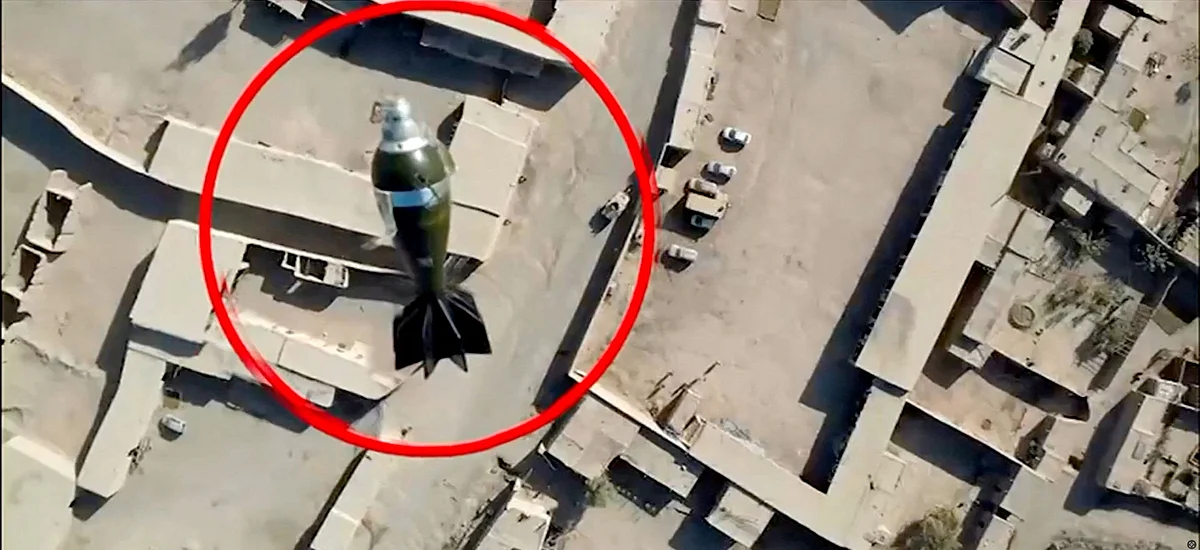
A mortar falls from a drone, illustrating Pakistani forces striking an Afghan Taliban border post in Spin Boldak, Afghanistan, on October 15, 2025. — Reuters file
The Durand Line, drawn by British diplomat Sir Mortimer Durand in the late 19th century with Afghan consent at the time, spans over 2,600 kilometers (1,600 miles) through mountainous regions, from Iran to China. It splits Pashtun communities, the main support base of the Taliban, and cuts Afghanistan off from the sea.
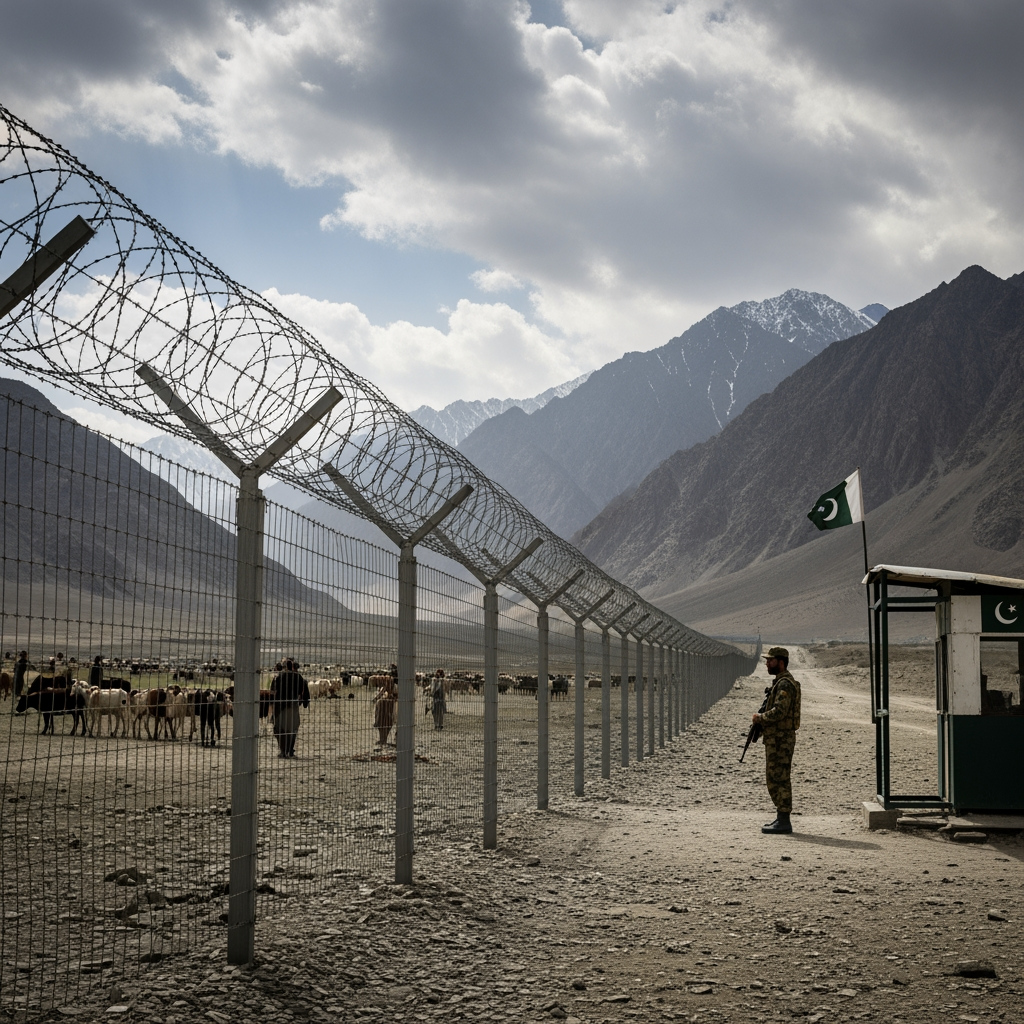
This porous border has buildings straddling both nations. Islamabad has constructed trenches and fencing, a move condemned by Kabul.
Who crosses the border?
Millions of Afghans have resided in Pakistan for decades, often undocumented. In recent years, many have been expelled or forced to return.
In 2025 alone, about 500,000 Afghans returned from Pakistan, according to the United Nations.
While there are six official crossing points, many use unofficial routes.
The border is also crucial for trade, with Pakistan as Afghanistan’s largest trading partner. Trucks frequently transport goods like fruits and vegetables.
The Afghanistan-Pakistan Chamber of Commerce reports losses of around $50 million since the border closed on October 12.
Currently, only Afghan migrants returning from Pakistan are permitted to cross.
What fuels the tensions?
Security concerns have risen since the Taliban regained control of Kabul in 2021.
Pakistani airstrikes in Afghanistan’s Paktika province in December 2024, targeting “terrorist hideouts,” reportedly killed nearly 50 people.
Pakistan accuses Kabul of harboring armed groups, especially the Pakistani Taliban (TTP), that conduct attacks from Afghan territory.
The Afghan Taliban denies these accusations and opposes the border, labeling it a colonial remnant.
Taliban Defence Minister Mohammed Yaqub protested when Qatar mentioned the border in its October 19 ceasefire announcement, which Afghan officials linked to the Durand Line. Yaqub stated it “will never be called a ‘border’.”
What’s next?
The October clashes, triggered by explosions in Kabul and sparking a retaliatory response from Afghanistan, resulted in over 70 deaths and hundreds of injuries.
A ceasefire, facilitated by Turkey and Qatar, has mostly held, but last week’s talks in Istanbul did not yield a permanent deal.
Negotiations are scheduled to resume on Thursday.
Both parties warn that failing to reach an agreement could lead to renewed hostilities.