Abu Seneh explained, in a statement to the agency, that this partnership offers Egypt extensive opportunities in technology transfer, technical support, training, and funding. He pointed out that environmental issues are complex in nature, linked to the economy, health, and various productive sectors. He added that having the agreement in Egypt over the next two years represents a “significant addition” that can be built upon to enhance economic and technical cooperation, affirming that the Environmental Affairs Agency acts as a national contact point to coordinate between relevant authorities.
The head of the environmental agency spoke about the major steps Egypt has achieved in the path of sustainable development, noting that the country has a national strategy for climate change until 2050, which has been converted into executive and investment plans that include a large number of adaptation and mitigation projects. Abu Seneh concluded his remarks by emphasizing that “these efforts represent tangible practical steps that directly contribute to addressing the impacts of climate change and supporting environmental sustainability.”
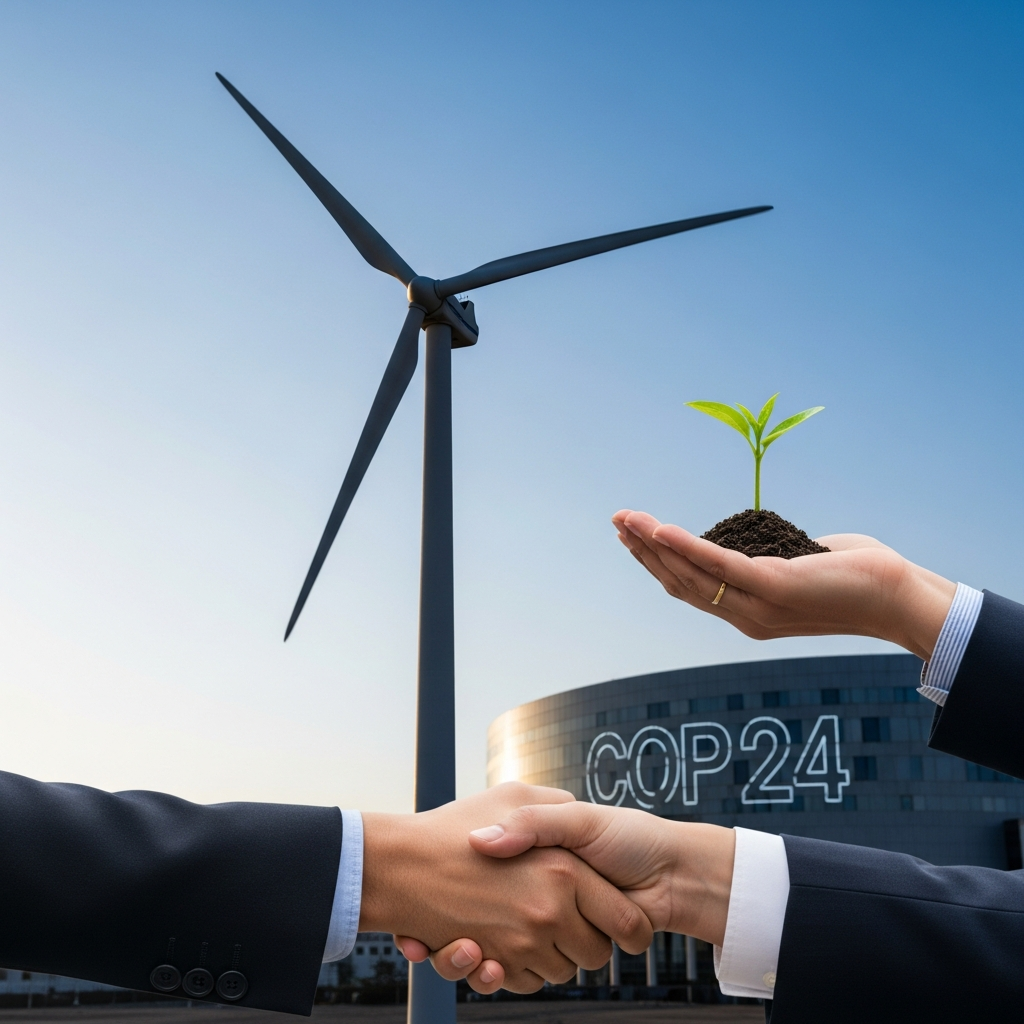
This morning, the twenty-fourth meeting of the contracting parties in the Barcelona Convention for the Protection of the Marine Environment and the Coastal Region of the Mediterranean (COP 24) began in the Egyptian capital, Cairo. According to a Sputnik correspondent, the conference includes representatives from 21 countries around the Mediterranean basin, along with high-level delegations from the United Nations Environment Programme and several environment ministers.
The opening witnessed prominent attendance by Tatiana Hema, Coordinator of the United Nations Environment Programme and the Mediterranean Action Plan, and Mitja Bricelj, the current president of the conference and representative of Slovenia, along with government and diplomatic figures concerned with environmental and sustainable development issues. The conference discusses a number of fundamental issues that will contribute to shaping the features of regional environmental work in the coming period, as well as for 2026/2027, in addition to exploring the development of cooperation mechanisms between member states and enhancing their capabilities in facing environmental challenges, particularly those related to climate change and marine pollution.