On Tuesday evening, gold and silver prices saw a significant drop both in Dubai and globally, with gold slipping below Dh500 per gram.
Internationally, spot gold declined over 5.3% to $4,092 per ounce by 7pm UAE time, marking the sharpest daily decrease in five years. This comes after reaching a record high of $4,381 per ounce on Monday. Meanwhile, silver fell below $50, landing at $48.37 at 7pm UAE time, a loss of more than 7.4%.
In Dubai, 24K gold dropped to Dh499 on Tuesday evening, a decrease of Dh22.75. Similarly, 22K, 21K, and 18K gold prices also fell to Dh462.25, Dh443.25, and Dh379.75 per gram, respectively.
Stay informed with the latest updates. Follow KT on WhatsApp Channels.
This decline in precious metals follows a record-breaking rally, as the US dollar strengthened and investors took profits.
Daniela Hathorn, a senior market analyst at Capital.com, noted that gold and silver are experiencing a significant selloff as US-China trade tensions have eased.
“Recently, gold and silver attracted significant attention due to a strong rally breaking several records. This momentum was driven by safe haven demand amid rising geopolitical tensions, fiscal constraints, expectations of lower rates from the Federal Reserve, and improved fundamentals. However, the upward momentum has waned this week,” she explained.
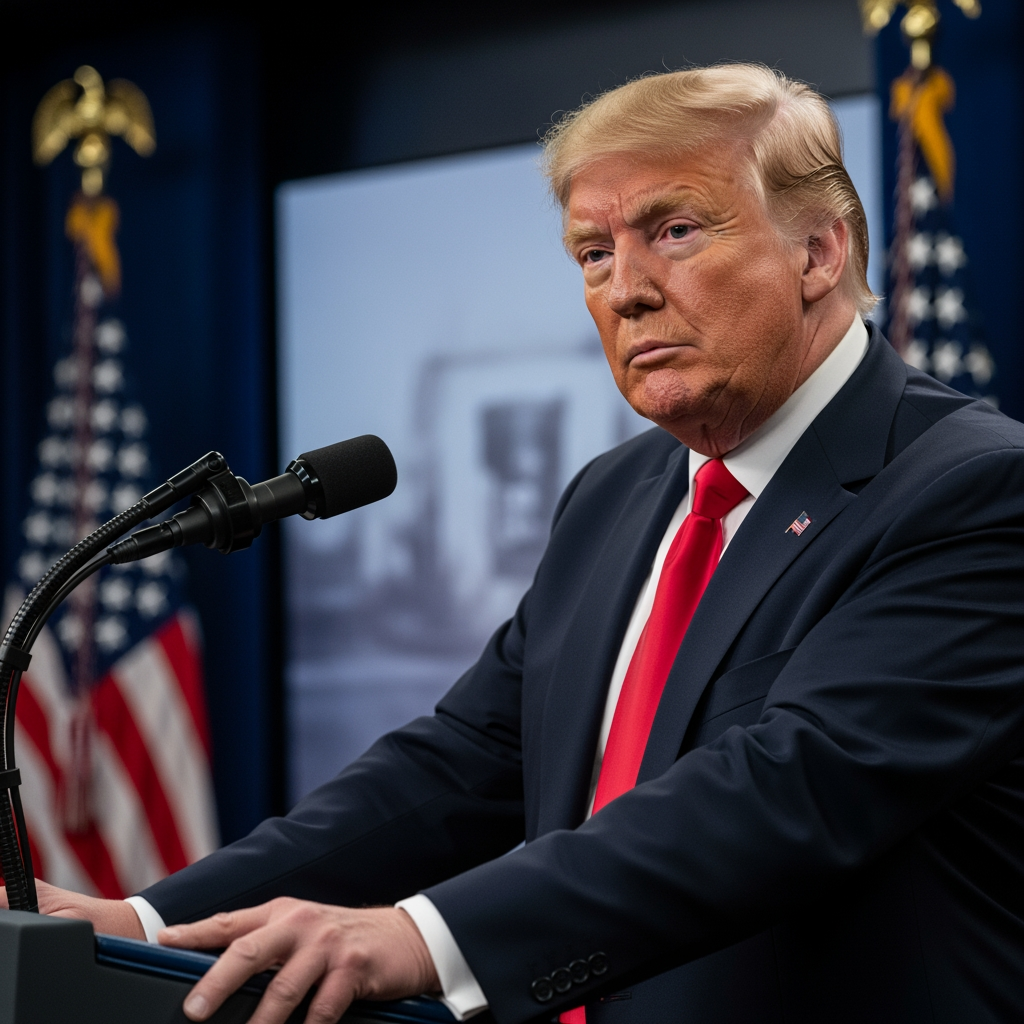
“The markets were overcrowded and overheated, so a reversal was not unexpected. The catalyst for this pullback was the perceived easing of US-China tensions after US President Donald Trump expressed optimism about a trade deal following discussions with China’s President Xi Jinping in South Korea later this month,” Hathorn added.
She further explained that confirmation of progress in resolving US-China issues has eased market risk premiums, at least temporarily.
“Gold and silver were ripe for a correction, with profit-taking intensifying the reaction. Despite unchanged fundamentals and long-term support, the recent rally’s strength was somewhat unjustified, potentially leading to a more significant pullback due to positive trade developments,” she stated.
Regarding silver, Hathorn predicts that supply constraints will continue to play a crucial role over the next twelve to eighteen months, driven by increasing demand from the renewable energy sector.