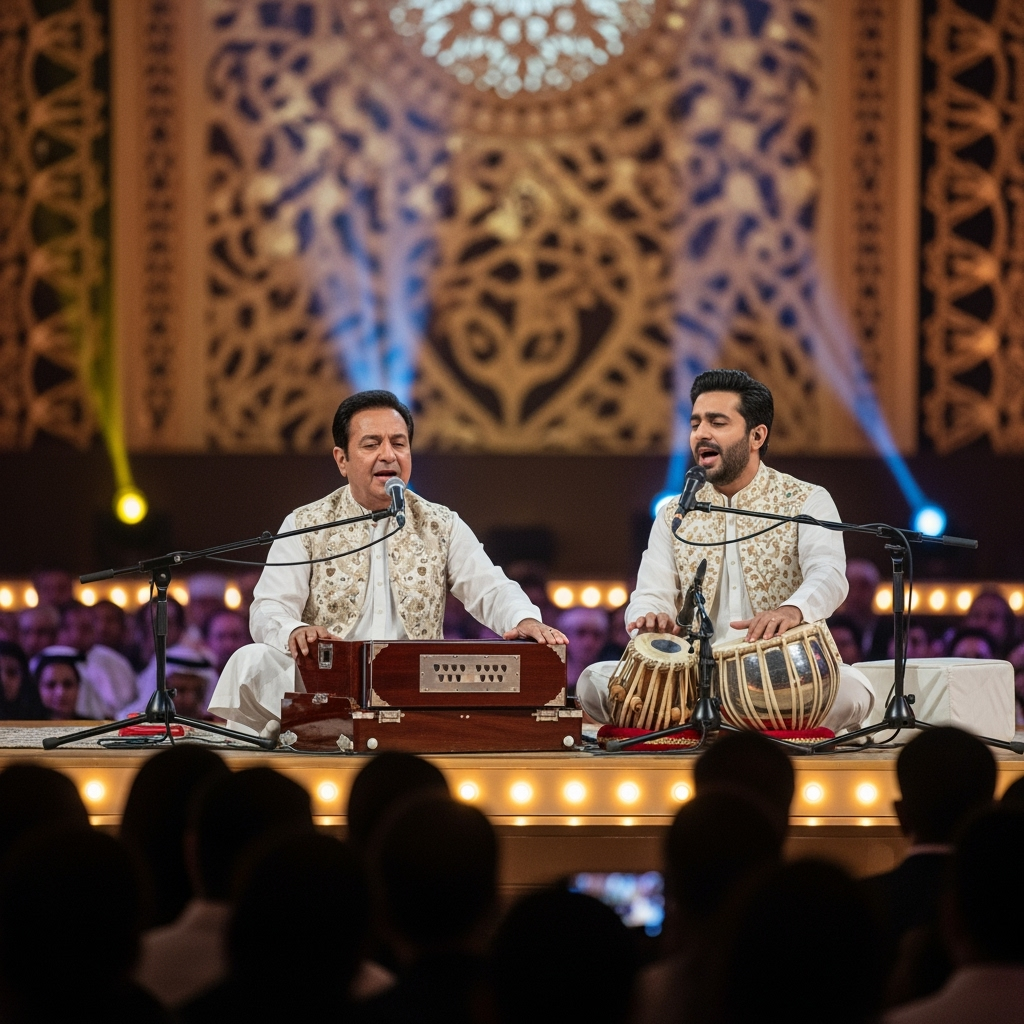
On August 30, 2025, Dubai will host a momentous musical evening as the iconic qawwali legend Ustad Rahat Fateh Ali Khan takes the stage at Coca-Cola Arena, joined for the first time by his son, Shahzaman Ali Khan. Presented by Elite Square Entertainment and Casa Vista Development, this concert isn’t just about celebrating timeless melodies but marks a rare generational handover, uniting father and son in a remarkable display of tradition, emotion, and artistry.
In an exclusive interview with City Times, Rahat Fateh Ali Khan shares his feelings about sharing the spotlight, his advice to Shahzaman, Nusrat Fateh Ali Khan’s lasting influence, and why Dubai remains a cherished stop in his musical career. Highlights from the conversation:
How do you feel about the upcoming concert in Dubai this weekend?
I am very excited for August 30, when we will perform live. For the first time, my son will join me at Coca-Cola Arena in Dubai. We’re introducing many new elements in the show, and I am thrilled.
You’ve performed in Dubai before and globally. What makes the city unique for you?
Dubai is a special place, a city every artist wants to perform in. Artists perform here with a lot of heart, ensuring a grand show. Dubai is a hub, bringing together audiences from the subcontinent — India, Pakistan, Bangladesh, Sri Lanka — creating a peaceful atmosphere.
This will be your first performance with your son. What emotions are you bringing into the concert?
Last year, Shahzaman was with me during a performance, but he didn’t present much of his work. This time, he has a dedicated segment to showcase his own ideas. It’s the first time I’ll see how he engages the audience.
How did this collaboration come about?
It depends on the artist’s dedication, whether it’s my son or a newcomer. Shahzaman is working hard, and that’s very encouraging for me.
You’re seen as Nusrat Sahab’s torchbearer, and now you’re passing it to your son. Is there a similar emotional connection?
Yes, there’s a lot of emotion in this. As a father, it’s a proud moment to see my son becoming a respected artist, with people often referencing Nusrat Sahab. It makes me feel good.
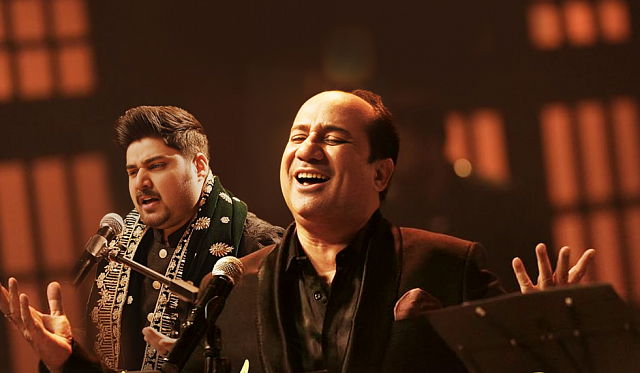
You were trained by Nusrat Sahab from a young age. Now, as you’ve trained your son, do you see similarities in your musical journeys?
While tasks weren’t digitalized back then, today’s world can offer instant results, but also potential misguidance. There are old family qawwalis, some 250-600 years old, that I’m teaching him.
What is your best advice to Shahzaman?
I always tell him what I was taught: respect your seniors, never badmouth anyone, and ignore those who speak ill of you. These principles take an artist far.
When you practice or train with Shahzaman, is it more a teacher-student or father-son relationship?
It’s a teacher-student relationship.
You’re teaching qawwali to Shahzaman. Can it evolve in this era, or does it remain traditional?
Traditional qawwalis remain crucial for their art, but there are many other elements to communicate to the audience. Understanding your audience can enhance the art’s value.
With a global audience in Dubai, how do you plan your set list?
The UK audience has a long history with qawwalis, and there’s a big following there. In the UAE, we cater to audiences’ love for Bollywood while maintaining the qawwali essence, which will be evident in Shahzaman’s set.
Offstage, what music do you enjoy?
I enjoy listening to Ustad Nusrat Fateh Ali Khan’s old songs, though I still reflect on my work even in my leisure time.
If Nusrat Fateh Ali Khan were here today, witnessing you and your son perform, what would he say?
He would be delighted. I can’t teach Shahzaman what he could have, but I feel his presence in a soul-to-soul connection.