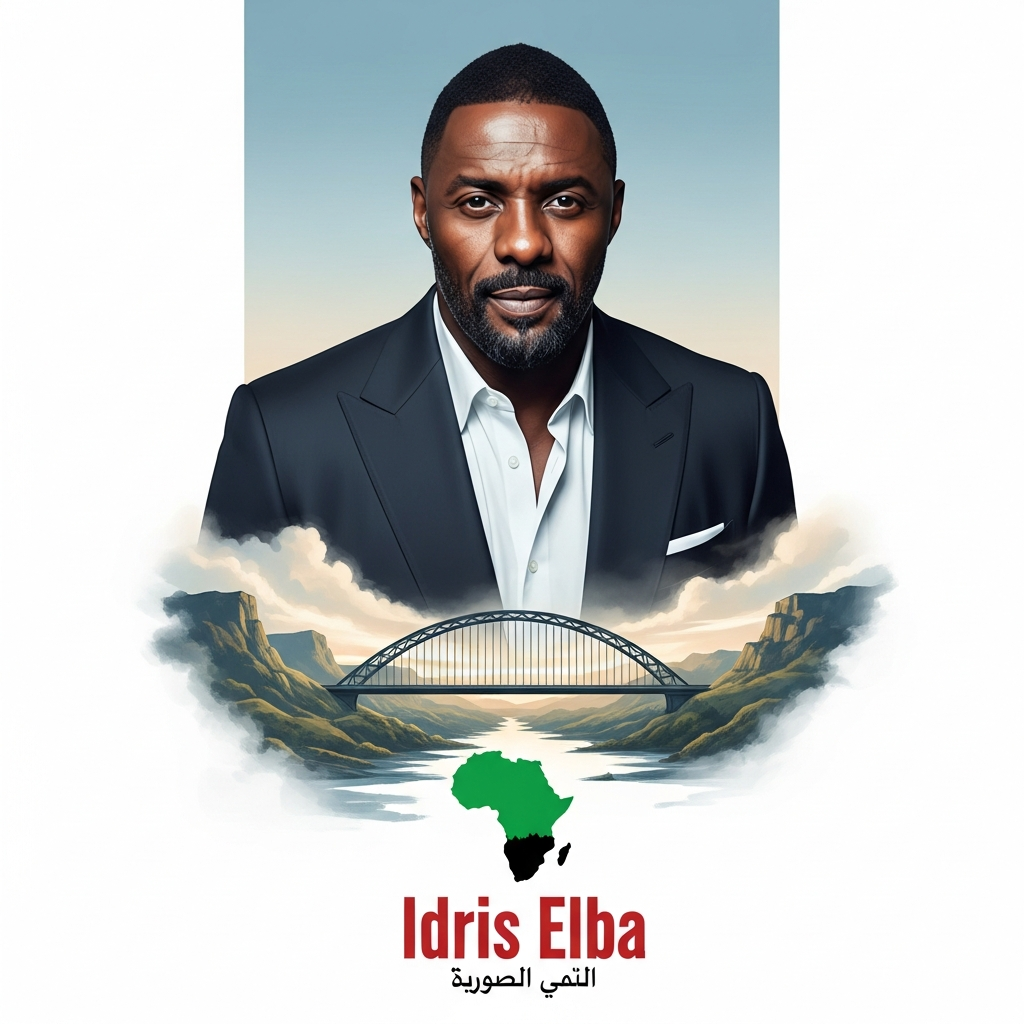
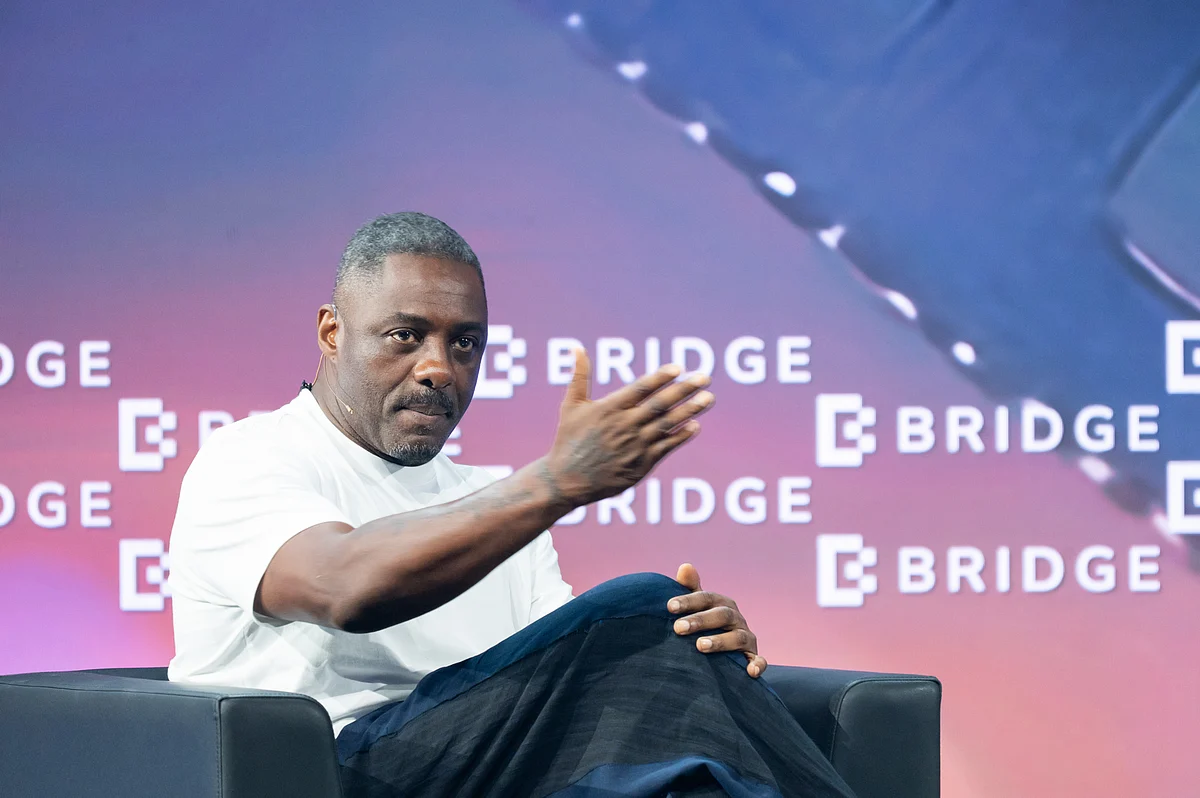
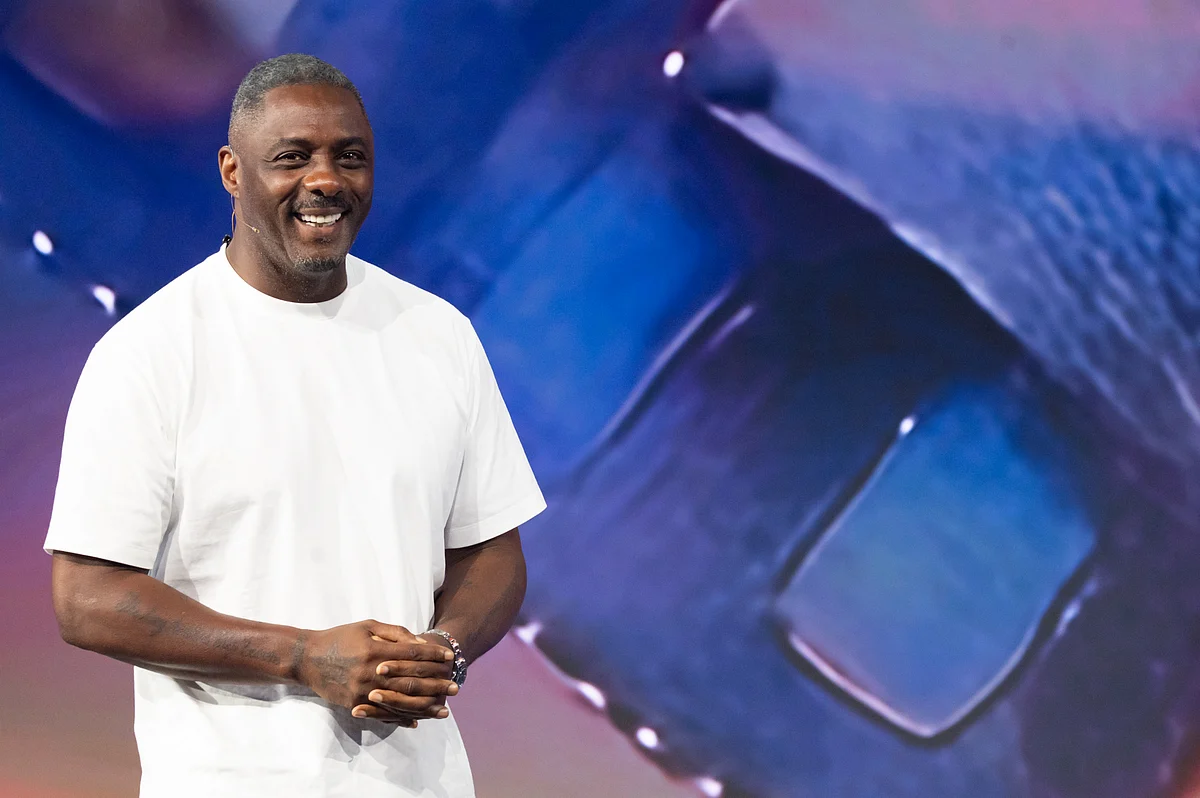
Idris Elba graced the Bridge Summit stage, greeted by enthusiastic applause and a distinct African ululation from moderator Dr. Julie Gichuru. He engaged in a rich dialogue, spanning from the power of storytelling to the urgent need to reshape Africa’s global narrative.
Describing himself as “a bridge, a connecting device, a two-way street,” the celebrated actor, producer, DJ, and entrepreneur addressed a full house in Abu Dhabi, comprising policymakers, industry leaders, and young content creators.
Born in the UK to Ghanaian and Sierra Leonean parents, Elba emphasized that his career is deeply intertwined with bridging cultures, correcting false perceptions, and creating opportunities for future generations.
Stay current with the latest news. Follow KT on WhatsApp Channels.
‘From script to human form’
Elba, reflecting on roles that range “from drug dealers to presidents,” shared that his craft is about infusing humanity into stories that influence global perceptions of people and cultures.
“What begins on a page becomes a human through my body… a bridge for entertainment, education, and understanding,” he stated. This has led him into spaces not typically occupied by actors, where he now discusses media, representation, and youth aspirations. “I’ve become a beacon for young people aspiring to enter this industry.”
Recently, his mission has intensified, using storytelling to challenge entrenched misconceptions about Africa. “I feel driven to contribute to correcting narratives about my culture and who Africans are.”
Improving the System
Elba extensively discussed the structural barriers hindering creators across Africa, from lack of ownership frameworks to distribution challenges. He highlighted the need for strong creative policies — something even major nations lack.
“Ask anyone about Sierra Leone or Ghana, and their view often stems from stories they’ve been told.” He argued that film and media policy are vital tools for expanding and correcting these narratives.
His response has been Akupe, an initiative supporting young African creatives. “It’s about providing the tools and infrastructure necessary for stories to thrive.” One goal, he explained, is helping creators tackle payment and connectivity issues that hinder monetization on platforms like TikTok and YouTube.
Elba urged policymakers to acknowledge the “soft power” of their creative sectors, citing South Korea’s cultural surge as evidence of what strategic policy, distribution, and marketing can achieve. “Learning from each other is crucial.”
Acceptance of African narratives, he stressed, must also grow. “If a young African shares a story about their village, is our acceptance equivalent? Acceptance is part of education.”
Africa’s Untold Stories: A Major Opportunity
When asked about the potential with African content creators, Elba pointed to the continent’s diversity as an untapped advantage.
Using a viral image of global flight paths showing Africa nearly blank, he remarked: “This represents an opportunity to highlight the continent’s marvels.” He sees vast potential in gaming, tech, and storytelling: “Our cultures are rich with untold stories. I’m inspired by how these narratives can be shared.”
He referenced Afrobeats as a success story, its ascent driven by young producers innovating with laptops, disseminating music directly to mobile devices — a blend of instinct, innovation, and connectivity sparking a global movement. “That’s the opportunity: valuing life’s significance and the delivery mechanisms.”
AI, Misinformation, and Instincts
On artificial intelligence, Elba warned that misinformation is the “most dangerous” threat AI tools can amplify. “The biggest misconceptions about Africa stem from misinformation — and AI can escalate these.” He called for robust policies and education systems to teach youth to discern reality from artificial constructs.
However, he cautioned against fear. “We possess actual intelligence. Trust it more.” AI, he said, “is just a tool,” not a substitute for human creativity.
Philanthropy, Advocacy, and ‘Doing the Work’
Elba also discussed The Elba Foundation, established with his wife to address support requests. It focuses on gender equality, youth issues, and food security — areas closely linked to African challenges.
“Every conversation today is advocacy. Let’s start with intent and build practical solutions.”
‘Less Conflict, More Understanding’
Imagining a headline if communicators “get it right,” Elba envisioned a future where storytelling fosters deeper mutual understanding. “There will be less conflict across Africa. We can educate youth for a conflict-free transition, with purpose, redefining perceptions of Africa.”
Dr. Gichuru concluded by calling him “son of Africa,” commending his advocacy for “Africa and the quantum world.”
‘Idris Elba: A Resiliency Icon’
Among the audience was Emeka Bah, Experiential Lead at CHOSEN FEW Limited, who had worked as Elba’s lighting stand-in on a Star Trek film. He traveled specifically to see the actor again.
“I came to see Mr. Elba. I shot a movie with him a decade ago. I was his stand-in for lighting — a fascinating man.” Bah, like Elba, is the son of African immigrants, and he resonated deeply with the message of humility and authenticity.
“Authenticity was his key message; never forget to stay grounded. Stay humble. Stay focused.” For Bah, Elba’s late-career rise exemplifies resilience: “He’s become a benchmark for measuring resiliency.”