In a world often divided by identity, India shines as a testament that diversity, when embraced confidently, becomes a strength rather than a conflict. India, with a population exceeding 1.4 billion, communicates in over 19,000 dialects, follows every major religion, and enjoys thousands of festivals, yet operates under one Constitution ensuring liberty, equality, and fraternity for all. This is not just a political slogan but a reality lived daily in its streets, classrooms, temples, mosques, churches, and gurdwaras.
India’s secular ethos isn’t a modern import; it’s embedded in its civilizational DNA. Long before multiculturalism and coexistence became global discussions, India practiced them. From the Buddha’s teachings at Sarnath to Ashoka’s edicts, Akbar’s Din-i-Ilahi to Gandhi’s pluralism, India’s inclusive spirit has persisted through ages. Today, as societies face polarization, India, like the UAE, exemplifies how faith, identity, and modern statehood can harmoniously coexist.
Calling India secular doesn’t capture its essence. Indian secularism isn’t about rejecting religion but respecting all faiths equally, Sarva Dharma Sambhava. Unlike Western models separating church and state, India’s approach acknowledges faith as integral to identity, seeking harmony over hierarchy.
India remains a haven for all faiths. Hindus, Muslims, Christians, Sikhs, Buddhists, Jains, Jews, and Parsis have thrived here. India welcomed Jews fleeing Roman persecution and Zoroastrians escaping Iran. Indian monks spread compassion across Asia, and Sufi saints preached love over orthodoxy.
Today, this tradition endures. The Prime Minister’s visits to interfaith sites, from gurdwaras to Sufi shrines, reflect civilizational continuity rather than political symbolism. Celebrations like Guru Nanak Jayanti at Kartarpur and Deepotsav in Ayodhya with leaders of multiple faiths, and joint observances of Eid Milad-un-Nabi and Navratri, show how India’s diversity thrives as shared heritage.
Modern India’s Secular Practice
India’s inclusivity is evident in daily life. In Kerala, Muslim artisans craft Hindu deities’ idols. Punjab’s gurdwaras run langars for all faiths. In Kashmir, the Rishi-Sufi tradition echoes in shrines where Hindus and Muslims once prayed side by side. In Tamil Nadu, church choirs sing Sanskrit, and Hindu temples employ Dalit priests through social reform.
In the digital era, Indian pluralism creatively adapts. Social media campaigns like #HarGharTiranga and #VasudhaivaKutumbakam promote unity and civic pride. Film, literature, and sports transcend language and belief barriers, from Shah Rukh Khan’s global fame to the cricket team’s collective identity, representing a shared nationhood defying narrow labels.
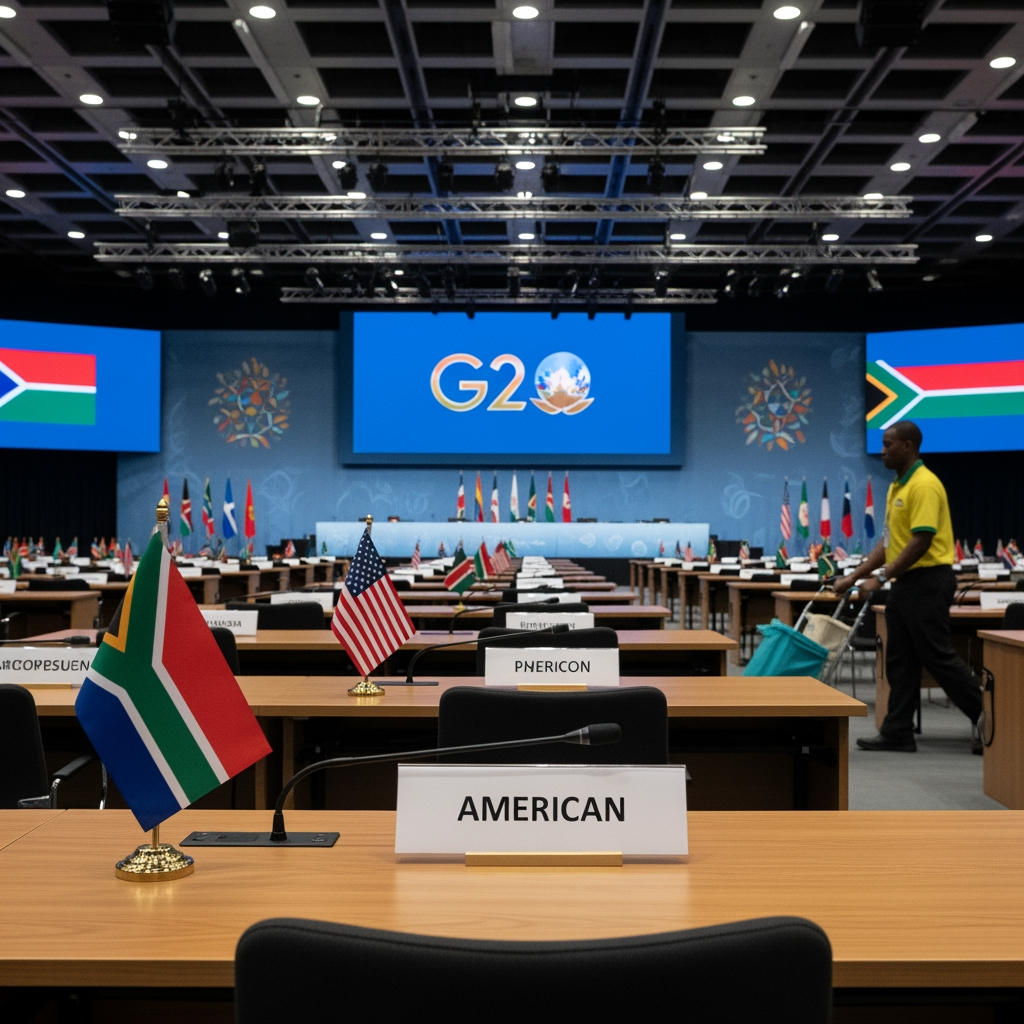
Recent initiatives highlight this spirit institutionally. The Kashi-Tamil Sangamam and Saurashtra-Tamil Sangamam reconnect linguistic communities; the Bharat Mandapam for the G20 showcases art from every Indian state; and government-led interfaith dialogues at UNESCO and UNHRC reaffirm India’s voice as a moral and pluralist democracy. The new Ram Temple in Ayodhya and nearby Muslim cultural centers coexisting peacefully reflect India’s balance: faith without fear, belief without exclusion.
Shared Values with the UAE: Faith in Coexistence
India’s multicultural harmony resonates with the UAE, another state blending faith, progress, and inclusivity. Both nations show tolerance as wisdom, not weakness. Ancient civilizations modernizing on their terms, proving progress respects identity.
The UAE’s Abrahamic Family House in Abu Dhabi, hosting a mosque, church, and synagogue, mirrors India’s millennia-old inclusive vision. India’s constitutional secularism and the UAE’s tolerance policy express the same truth: diversity, managed with respect and equality, enriches a nation’s soul.
No wonder over 3.5 million Indians live in the UAE, contributing to its growth, finding in it a reflection of India’s open, dynamic spirit, respectful of all faiths. Their friendship, rooted in shared values, not just interests, makes India-UAE relations a model of cultural diplomacy grounded in pluralism.
Inclusivity as Strength in a Changing World
As nations face social divisions and culture wars, India’s inclusive experiment offers a coexistence model. Its success lies in managing differences democratically and compassionately.
Through the G20’s theme “One Earth, One Family, One Future,” India’s climate diplomacy based on ethical responsibility, or its disaster relief leadership, New Delhi turns its internal pluralism into global diplomacy. The world sees India as a democracy of spirit, not just scale.
At home, Swachh Bharat and Digital India unite citizens beyond caste or creed with common purpose, while Jan Dhan Yojana and Ayushman Bharat uplift millions regardless of identity. These aren’t just welfare schemes but modern equality expressions, echoing India’s moral universe.
The Way Forward
India’s diversity isn’t a challenge; it’s its greatest strength to celebrate. Preserving it requires constant renewal in education fostering empathy, media amplifying understanding, and leadership seeing unity in difference. India’s story is harmony in multiplicity, not uniformity.
The UAE and India show that the future belongs to nations embracing inclusion as a principle, not a policy. When tolerance is systemic, it becomes identity.
In both countries, temples, mosques, churches, and synagogues stand as symbols of shared humanity, not separation. In India, the Azaan, temple bells, and church choirs blend as a collective peace prayer.
Ultimately, India’s greatest message to the world is that true strength lies in differences harmonized by respect. A lesson as ancient as the Vedas and as modern as the republic.
Rishi Suri is a political and current affairs commentator, formerly a media adviser to Jammu and Kashmir’s Chief Minister.