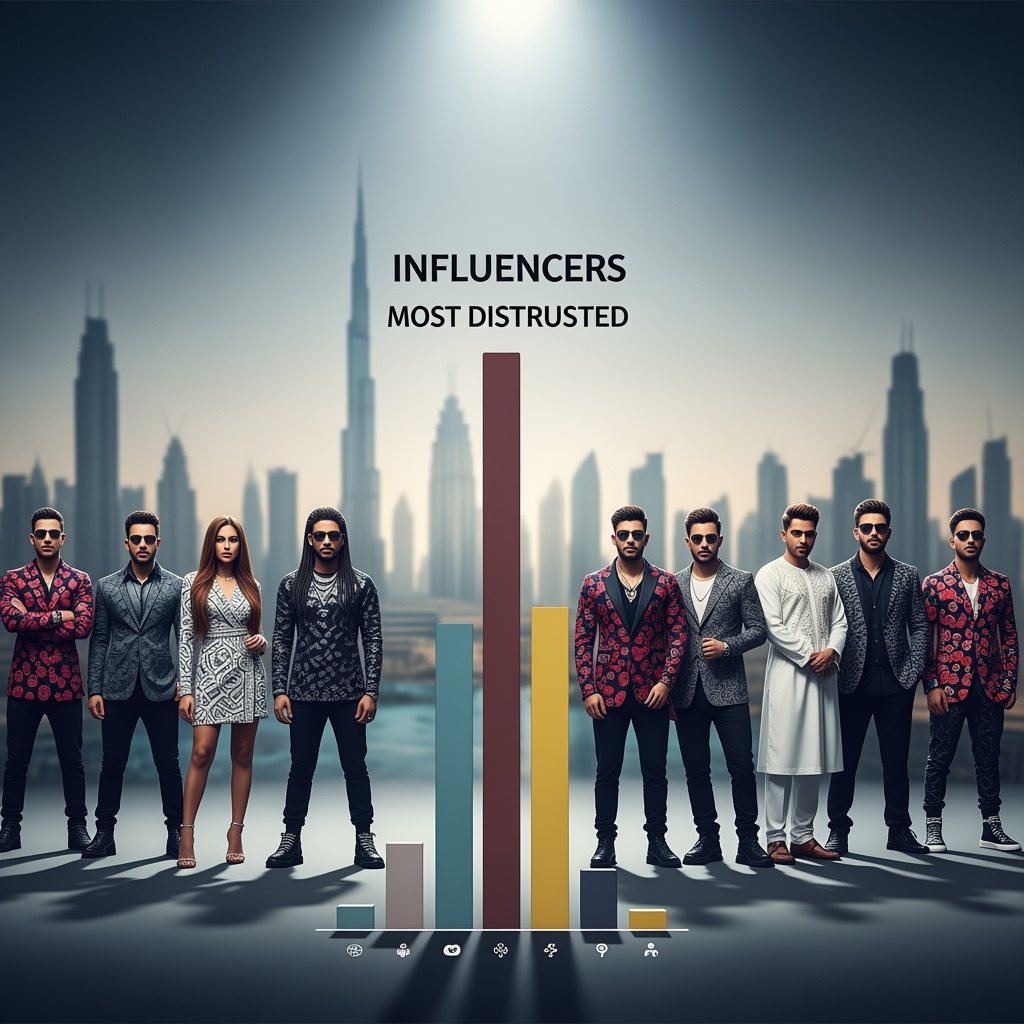
For the first time, social media influencers have topped the list as the most distrusted profession in the country, according to Insight Discovery’s seventh annual Worst Reputation in the UAE survey.
Previously led by credit card issuers and recruitment agencies, this year’s list saw a significant shift with influencers taking the lead. Over the past six years, credit card issuers and recruitment firms consistently dominated these rankings.
This year, however, 21% of UAE residents pointed to influencers as having the worst reputation. They were followed by telemarketers and call centers at 19%, credit card issuers at 13%, recruitment firms at 11%, and real estate agents at 8%.
Stay informed with the latest updates. Follow KT on WhatsApp Channels.
The growing distrust towards influencers is mainly due to concerns about undisclosed promotions, lack of transparency, and potentially harmful misleading advice. Insight Discovery specifically noted “finfluencers,” who promote unregulated investment schemes and make exaggerated claims, as a significant source of distrust.
“The prominence of influencers on this list is a stark wake-up call for the industry,” said Nigel Sillitoe, CEO of Insight Discovery. “As audiences grow weary of certain influencers’ behavior and become more aware of the risks associated with unregulated online advice, there is an increasing demand for transparency and accountability.”
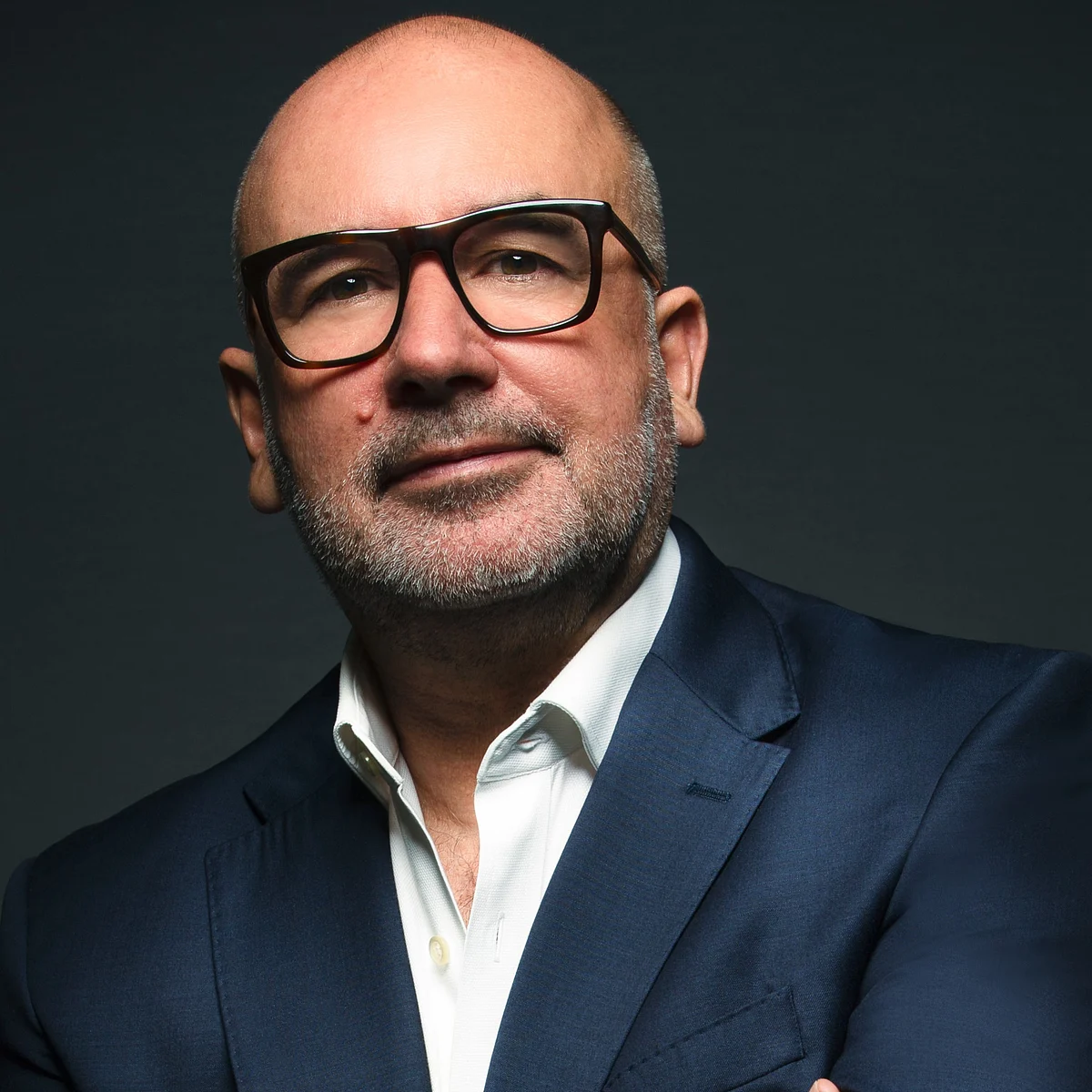
Nigel Sillitoe
He added, “The recent licensing system introduced by the UAE government and the Securities and Commodities Authority for finfluencers is a crucial move towards restoring trust and safeguarding consumers.”
A credibility crisis
The skepticism is deeply personal for many in the UAE. “I’m not surprised. I know because I’m an influencer and have been in this space for the past ten years,” said Lana Kaati, a Syrian-Canadian raised in the UAE with 51.8K followers.
For many residents, the doubt towards influencers stems from personal encounters. Syrian-Canadian content creator Lana Kaati, with over 51,000 followers, expressed no surprise at the findings. “The quality of content has declined in recent years,” she noted. “Many newcomers view influencing as quick cash, free gifts, or just a fun side gig. They’re not in it to create stories that have a real impact on the community.”
Kaati, who has been in content creation for the past decade, observed that many influencers rely on pre-written texts from agencies, posting without any research. “That, to me, is very damaging,” she stated. “I’ve started declining many campaigns due to how people perceive influencers today — and also because of the way other influencers promote content. I don’t want to be lumped together, so I’ve become very selective about what I present.”

Lana Kaati
Her personal guidelines involve rejecting products that do not align with her values. “If I’m sent a product to endorse and I feel it isn’t genuine — like ‘diet teas’ — I refuse immediately because I know it’s fluff. I make it a point to read, research, and even ask companies for ingredient details, especially if it’s food for children. If I feel it’s good for my family, then I’ll proceed. Otherwise, even if there’s money involved, I’ll turn it down.”
Others, like UAE national Hajar Hassan, said the distrust arises from the gap between influencers’ online personas and reality. “For many social media influencers, the image they project online is far from reality. It’s common to see influencers claim they’ve used a product or service ‘for years,’ when in fact, it’s just a paid promotion,” she said.
“Their ‘perfect’ lives are often curated and exaggerated purely for social media, which raises questions about their credibility,” she added.
Trust eroded by tactics
She recalled instances where influencers appealed to followers to save their businesses or boutiques. “Even if genuine, it doesn’t inspire trust — it just highlights how transactional the relationship with followers has become.”
“For most people, these influencers don’t inspire genuine loyalty because their social presence feels insincere. Their lifestyles often seem staged, their stories inconsistent, and their motives profit-driven. That’s why, personally, I find it hard to trust them at all,” she added.
Conscious consumer approach
Still, not all residents dismiss influencers entirely. Dubai resident Bhavya Rao takes a cautious yet balanced approach. “For me, it really depends on what the influencer is endorsing. I would never take any financial advice from influencers for sure. But if it’s a store offering branded products at more affordable prices, I do feel tempted to check it out. The same goes for a getaway deal or a staycation. But as a consumer, I believe it’s important to do my own due diligence.”
Bhavya admitted she’s often tempted by influencer promotions but always verifies them. “At first, I might feel drawn to a makeup item or a kitchen appliance, but I’m the kind of person who will read reviews extensively and even ask around before making a purchase.”
She added, “Of course, there’s always a marketing angle to influencer content, and you have to take it with a grain of salt. That said, I’ve also seen journalists who know their industries so well that when they step into the influencer space, their authenticity and expertise really stand out. So, at the end of the day, it varies from person to person, and I wouldn’t want to make sweeping generalizations about influencers.”