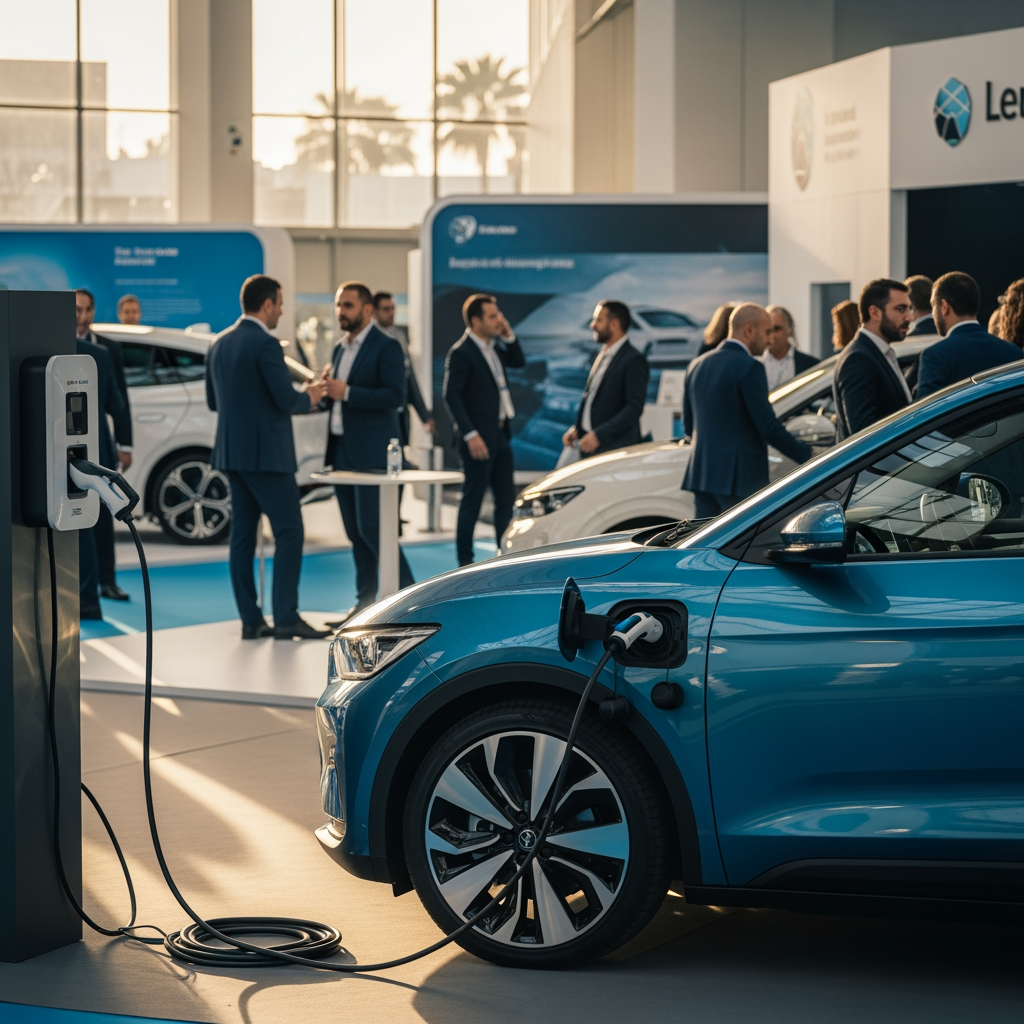
The exhibition aims to promote the adoption of sustainable transportation in Lebanon and encourage the transition to clean energy in the automotive sector, amidst notable participation from Chinese companies showcasing a range of advanced electric cars with competitive specifications.
The exhibition features a variety of events, including a comprehensive display of electric and hybrid cars from well-known brands such as Baic, Audi, Arcfox, BMW, Cadillac, Chevrolet, Fiat, Lexus, Maserati, Mazda, Mercedes-Benz, Porsche, Zeekr, Xpeng, Voyah, Toyota, Smart, alongside companies specializing in electric charging solutions, renewable energy, and personal mobility, as well as banking and insurance institutions.
The exhibition also hosts technical discussions on the future of electric transportation and ways to develop its infrastructure in Lebanon, in addition to a test-driving experience on an outdoor track allowing visitors to test electric cars “without noise” and “without emissions”.
The exhibition concludes with an electric rally championship on driving simulators, in cooperation with the Toyota Gazoo Racing Lebanon team, where awards are given to the winners with the best three results.
In his opening speech, the Lebanese Minister of Public Works and Transport, Fayez Rasamny, emphasized that the Lebanese market cannot currently accommodate a large number of car dealerships, noting that focusing on a limited number of brands has become necessary due to the market’s contraction. Rasamny added that Chinese companies have shown significant progress in the electric vehicles sector and rapid technological development but predicted that their abundance might lead to mergers between companies to ensure continued global competition.
Meanwhile, the Governor of Beirut, Judge Marwan Abboud, pointed out that a large proportion of pollution in Lebanon is caused by old cars over 15 or 20 years old, calling for strict controls to prevent their entry into the country.
The exhibition witnessed statements from representatives of participating companies. Jonas, a representative from “Zeekr,” mentioned that Lebanon is experiencing noticeable expansion in its electric charging station network, noting that Lebanese consumers increasingly rely on home charging for their electric cars throughout the week. He added that electric cars offer quiet and easy driving, and their maintenance is simpler and less costly than gasoline cars, encouraging the shift toward clean energy.
Additionally, Tade Murad from Bazargi Motors, agents for “BAIC,” explained that the demand for hybrid cars is continuously increasing, highlighting that people have begun to recognize the advantages of this category of cars in terms of power, fuel efficiency, and environmental support. Patrick Aoude, representing “Arcfox,” noted that the demand for Chinese cars in Lebanon is increasing, saying that “almost all electric cars are of Chinese origin, and customers have come to trust their quality due to the actual performance on the ground and long-term warranties covering the battery, engine, and chassis.”
It is worth noting that the “e-MotorShow Middle East” exhibition contributes to achieving seven of the United Nations’ Sustainable Development Goals, aligning with goal three (good health and well-being) by reducing polluting emissions and improving air quality, goal seven (affordable and clean energy) by promoting the use of electric energy in transportation, and goal eight (decent work and economic growth) by stimulating new sectors in the labor market.
The exhibition also supports goal nine (industry, innovation, and infrastructure) by encouraging the development of electric charging technology and infrastructure, aligns with goal eleven (sustainable cities and communities) by enhancing eco-friendly urban mobility, and goal twelve (responsible consumption and production) by reducing waste and emissions, leading to goal thirteen (climate action), which calls for urgent measures to combat climate change and its impacts.