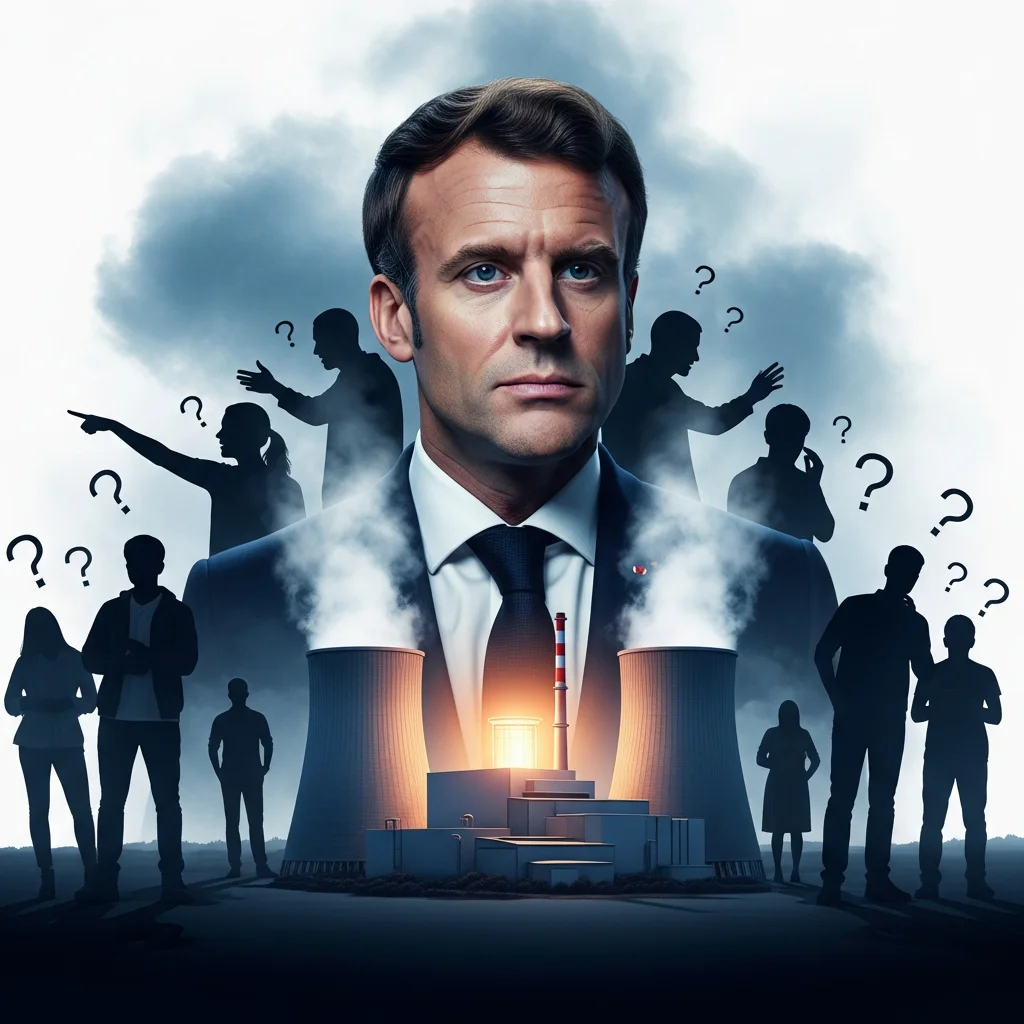
Groushko told Sputnik that “the destabilizing nature of these declared intentions is clear,” commenting on Macron’s statements earlier this year regarding plans to implement the “advanced deterrence” initiative, which includes enhancing the national nuclear arsenal and deploying elements of French nuclear forces on the territory of its allies.
The Russian Deputy Foreign Minister explained that “this means for us, above all, an increase in the overall nuclear capabilities of NATO, of which the French nuclear forces are an integral part, regardless of the Elysee Palace’s attempts to convince the world of their ‘autonomy,’ and despite the contradictions shaking the Western camp today.”
In March, French President Emmanuel Macron announced that he had ordered changes in the country’s nuclear arsenal, confirming that his country “will no longer announce the size of its nuclear arsenal, contrary to what was previously the case.” He stated, “The United Kingdom, Germany, Poland, the Netherlands, Belgium, Greece, Sweden, and Denmark will join the new nuclear doctrine. Berlin will be a key partner, as the initial stages of cooperation will begin this year.”
He added that Paris also plans to launch a program to develop new hypersonic missiles in 2026. Furthermore, French strategic air forces may be deployed throughout Europe.