
Grief is often described as a journey through seven stages, starting with shock and denial, evolving into pain and guilt, rising to anger before reaching bargaining, and peaking in depression. Yet, reaching the lowest point often signals the beginning of recovery. This is when reconstruction begins. Although the pain lingers, it makes way for rebuilding, leading to acceptance. Acceptance, in turn, brings hope.
But does this healing process apply universally? “Grief doesn’t adhere to a strict checklist or timeline,” explains Saira Sheikh, a Dubai resident of Pakistani descent. “Individuals don’t progress through stages in a set order, and some may never experience certain ‘stages’ at all. Grief is deeply personal, non-linear, and continuous, not something to be ‘completed’ within defined stages. Expressions of grief vary widely across cultures, personalities, relationships, and circumstances, making a one-size-fits-all model inadequate.”
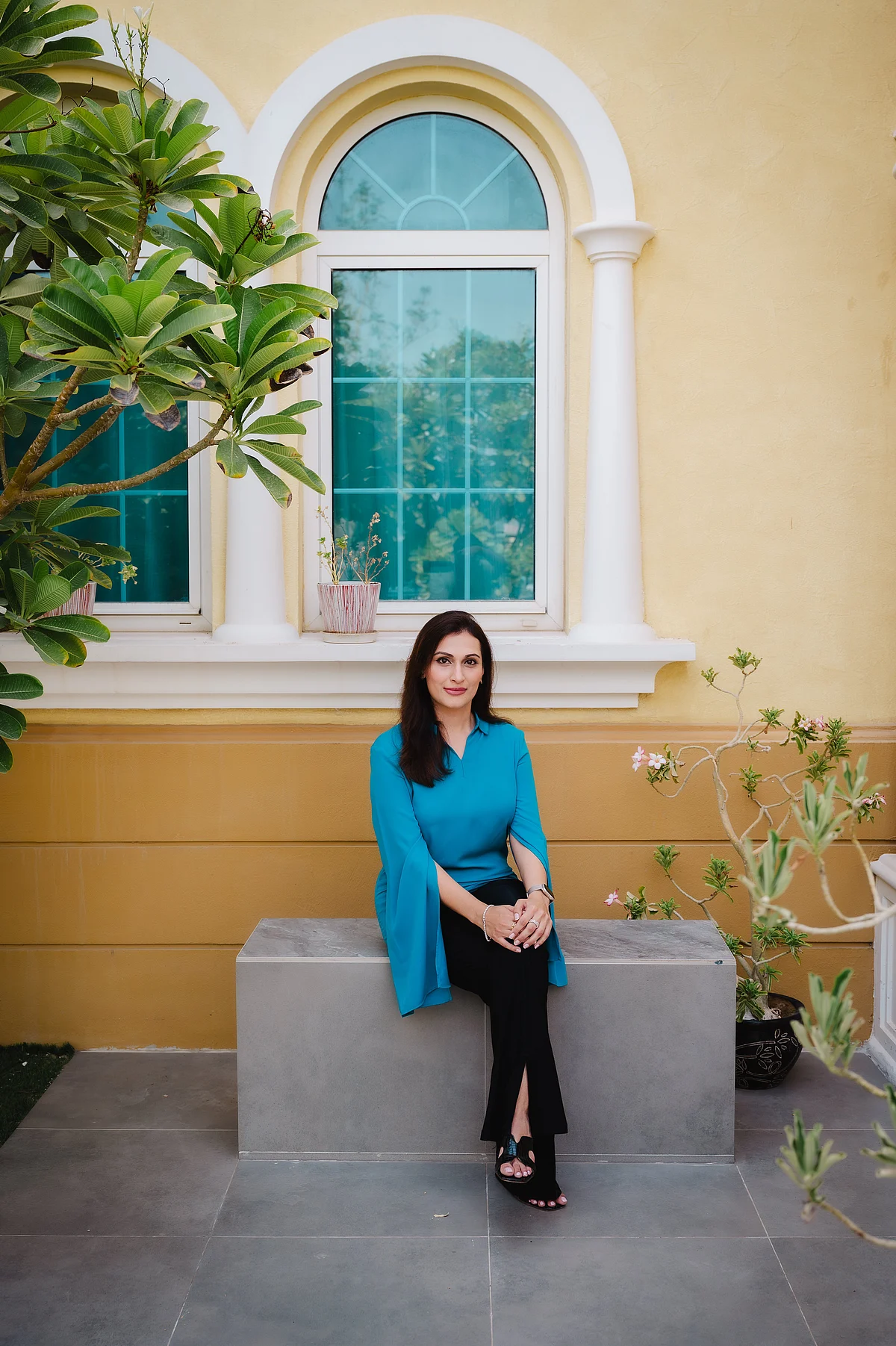
Saira has authored a non-fiction book, “Healing in the Shadow of Loss,” aiming to guide those coping with grief. The book stems from Saira’s own experience with grief following her mother’s sudden death from cardiac arrest in 2019. “That loss was so immense that it overshadowed every previous significant loss in my life,” Saira shares. “It felt like an unseen tidal wave crashing over me, leaving me in despair and breathless. At that moment, I was frozen in disbelief and desperation, overwhelmed with memories of the past, intertwined with dreams of a future I could no longer share with her.”
Six years have passed since her mother’s death, but Saira sensed something remained unhealed. Her book also explores how grief changes form. When not expressed outwardly, it is internalized. “Time offers a chance to heal but isn’t enough on its own to mend deep wounds. Time can distance us from the initial shock, but without active processing, grief tends to be buried rather than resolved. The pain persists, potentially hardening and manifesting unexpectedly physically, mentally, and behaviorally. Without an outlet, the body retains what the mind tries to dismiss,” Saira explains. She emphasizes that grief isn’t something we “get over”; it’s something we learn to carry forward in new ways.
During her period of loss, Saira also managed her roles as a parent and wife, feeling pulled in different directions. “As a parent, you’re under immense pressure to be an emotional guide for your children. As a wife, you’re expected to sense everyone’s needs and maintain household harmony. As a daughter, especially after losing a mother, there’s often an unspoken expectation to uphold family traditions and keep relationships intact,” Saira notes. She adds that relationships strengthened by grief involve everyone adapting their roles, where love is shown through understanding, patience, and shared responsibilities, rather than through expectations and judgment.
Grief’s solitude carries a high emotional cost. In societies where these issues are often ignored, denial prevails. “There’s a belief that one should just ‘push through’ or manage alone, with the idea that seeking help is a sign of weakness rather than human vulnerability,” Saira says. “In South Asian cultures, mental health struggles are often seen as character flaws or spiritual failings, bringing shame to the family. Concerns about societal perceptions, marriage prospects, or being labeled ‘crazy’ can be more crippling than the mental health challenges themselves.”
Being vulnerable isn’t easy, regardless of gender. “Vulnerability is stigmatized in Pakistani society, often seen as a weakness,” Saira remarks. “This cultural resistance to emotional openness creates an environment where exploring personal struggles or pain feels almost rebellious.”
In her healing journey, Dubai played a significant role. “Access to therapy, supportive networks, wellness events, and talks by renowned authors and speakers in Dubai helped me transform my healing into a resource for others. The city’s culture of opportunity and growth allowed me to find my voice as an author and mental wellness advocate. This journey from personal grief to published author highlights how Dubai’s unique environment supports expatriate voices and enables meaningful contributions to global dialogues.”
Saira also stresses the etiquette of mourning, emphasizing that funerals and memorial services are sacred spaces for grief, remembrance, and spiritual reflection, not social events to be scrutinized. “The focus should be on honoring the deceased and supporting the grieving family during this difficult time. Respect involves embracing the family’s cultural traditions, religious ceremonies, and mourning practices, even if they differ from your own or feel unfamiliar. It’s important to set aside personal grievances or misunderstandings during this time,” Saira advises. Most importantly, she reminds us that grief doesn’t end with the funeral. “The grieving process continues long after the service, often intensifying as initial support wanes and daily life resumes. True etiquette extends beyond the funeral, involving ongoing support for the bereaved family in the weeks and months that follow.”