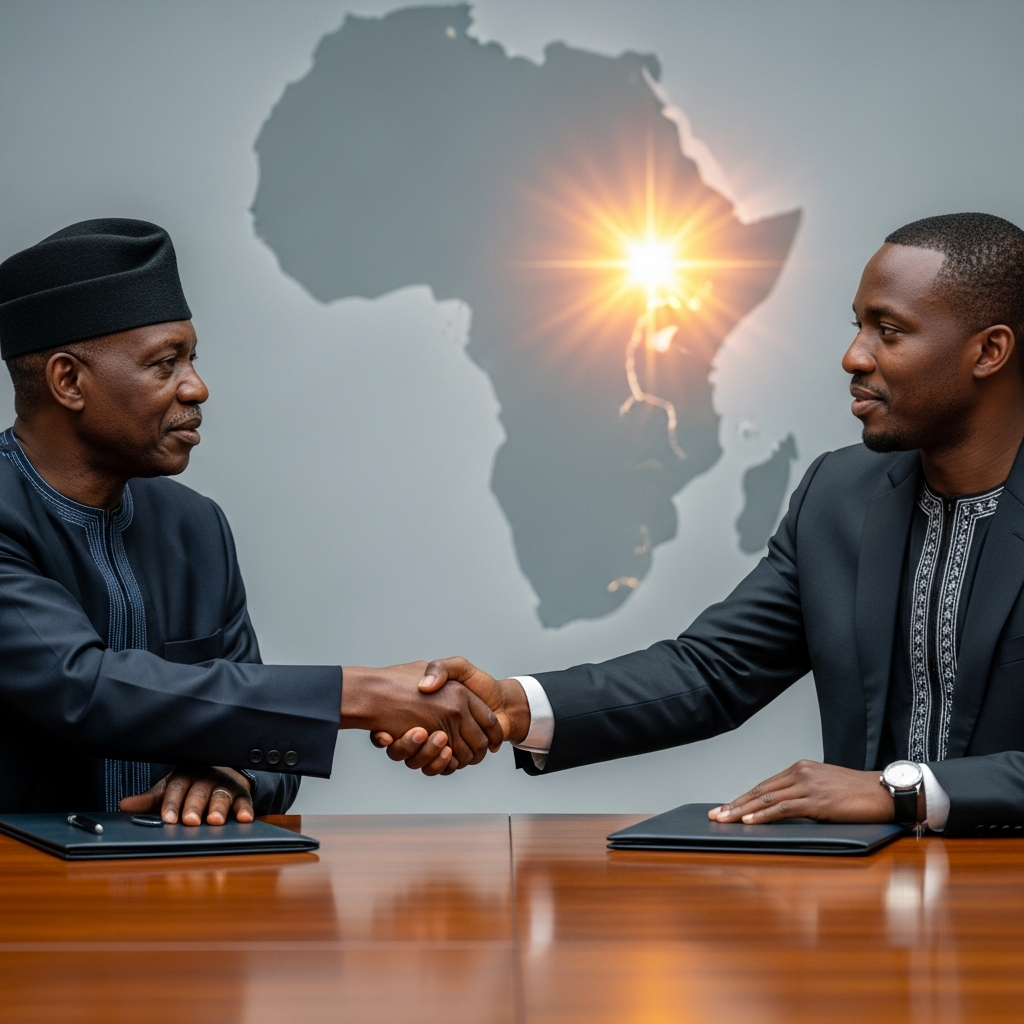
Yusuf described the peace agreement between the two African nations as a “significant achievement” on the path to establishing security and stability in the Great Lakes region. A statement from the African Union, released yesterday, noted that Yusuf praised the signing of the agreement by Rwandan President Paul Kagame and his Congolese counterpart, Felix Tshisekedi, asserting that “this step represents a major advance towards achieving lasting peace in the region.” According to the statement, Yusuf expressed his appreciation for the American role in accomplishing the agreement, including the involvement of U.S. President Donald Trump. He also commended Qatar’s support and diplomatic efforts, as well as its readiness to back African peace initiatives. The Commission’s chairman called on all parties to sincerely commit to implementing the agreement “in letter and spirit,” paving the way for reconciliation and enhancing regional cooperation, while affirming the Commission’s willingness to provide the necessary support to continue this process for the benefit of the peoples of Congo, Rwanda, and the entire Great Lakes region.
U.S. President Donald Trump announced yesterday the signing of a peace agreement known as the “Washington Accords” between the Democratic Republic of the Congo and Rwanda, establishing a permanent ceasefire and disarming non-governmental groups, following years of conflict between the two African states. Speaking at the signing ceremony at the U.S. Institute of Peace yesterday, Trump said: “The agreement we are signing today, which will be known as the ‘Washington Accords,’ enshrines the terms agreed upon last June, including a permanent ceasefire, disarmament of non-governmental forces, arrangements for the return of refugees to their homes, as well as ensuring justice and accountability for those who committed illegal atrocities.” Trump added that “the agreement also includes expectations for integrating the economies of the Democratic Republic of the Congo and Rwanda within a new economic framework.”
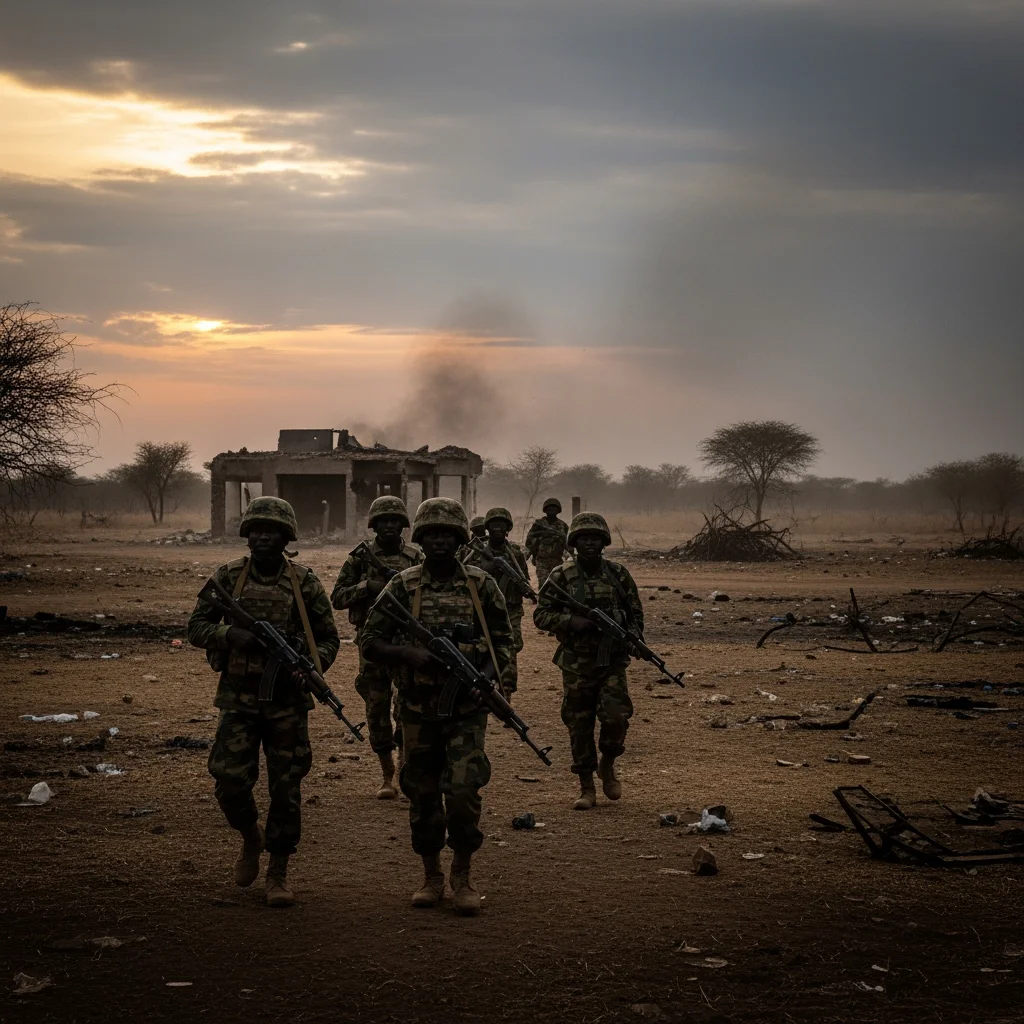
The peace agreement between Rwanda and the Democratic Republic of the Congo comes after nearly 30 years of bloody conflict that erupted in 1994, resulting in the deaths of thousands on both sides and destabilizing the Great Lakes region of the African continent. Over the past decades, all diplomatic efforts have failed to put an end to this conflict amid mutual accusations, most notably Rwanda’s support for the rebel group “M23” operating in eastern Congo in exchange for access to part of the rich natural resources in that area. The agreement signed in Washington, under American sponsorship, represents a significant shift in the course of the crisis, with estimates suggesting that it could lead to an end to the long-standing conflict and open the door to extensive Western investments, particularly in the sector where the Democratic Republic of the Congo possesses massive quantities.