In a typical Dubai evening, the golden sunlight softly illuminates Robin Uthappa’s home, highlighting the roomy hallways and cherished family photos. The ambiance is cozy and genuine, a home filled with laughter, shared stories, and numerous games of catch, likely initiated by Robin Jr., who eagerly joins us as we commence our chat.
“My son, Neale Nolan Uthappa, is seven and enjoys playing cricket, tennis, and football. He attends Danube Academy for cricket and football and plays at Juventus Football Club here,” Uthappa shares with Khaleej Times.
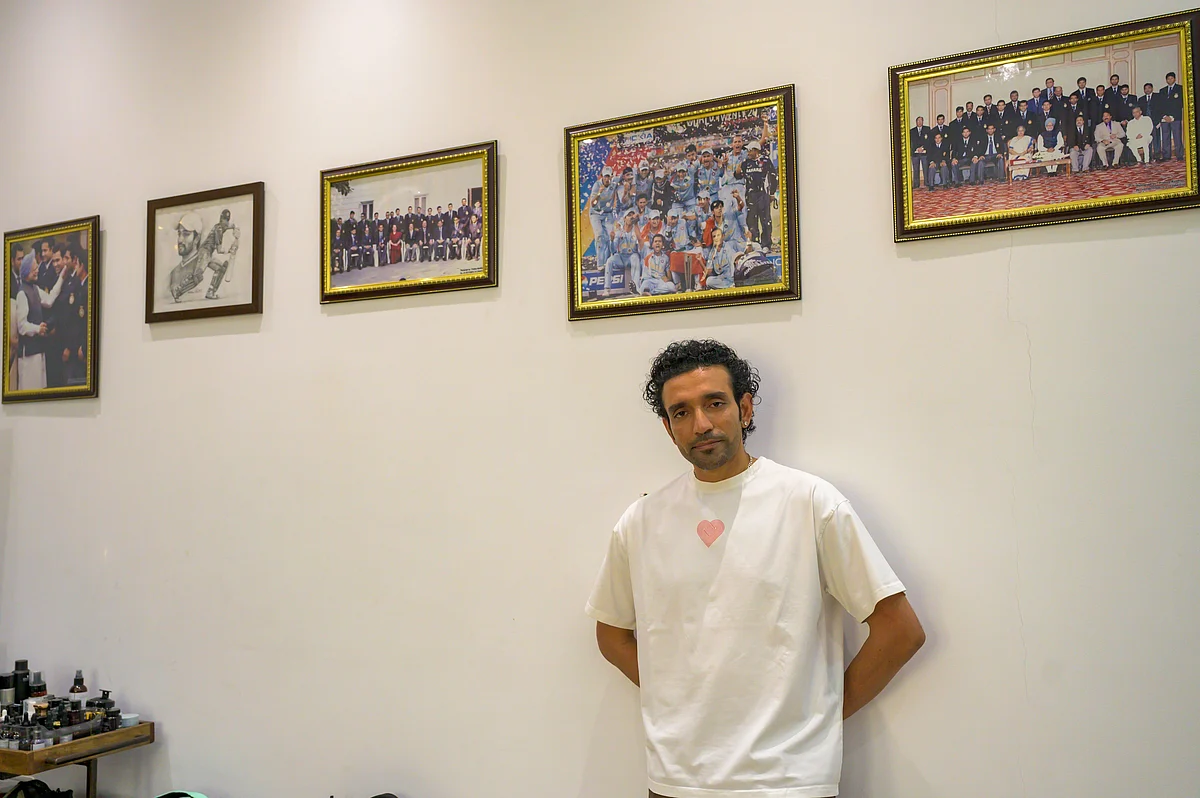
Far from the roaring stadiums, Robin maintains the same calmness that once steadied him on the field. He remains composed and grounded, yet when speaking of cricket, his passion ignites. “You never stop being a cricketer,” he smiles. “You might stop playing professionally, but cricket stays with you. I still feel like I’m playing.”
For over ten years, Uthappa was celebrated for his bold strokes and pivotal performances—a World Cup victor, IPL champion, and standout in every Indian tournament. Now, his ‘second innings’ unfolds more privately, away from the spotlight: aiding others in healing.
“I understood early on that my life’s purpose is to add value and serve others,” says Uthappa, now a life coach, offering corporate training, personal coaching, and team-building, focusing on peak performance, relationship coaching, and mental resilience. “Initially, I thought cricket coaching was it, but I realized my calling was broader. I had much more to offer.”
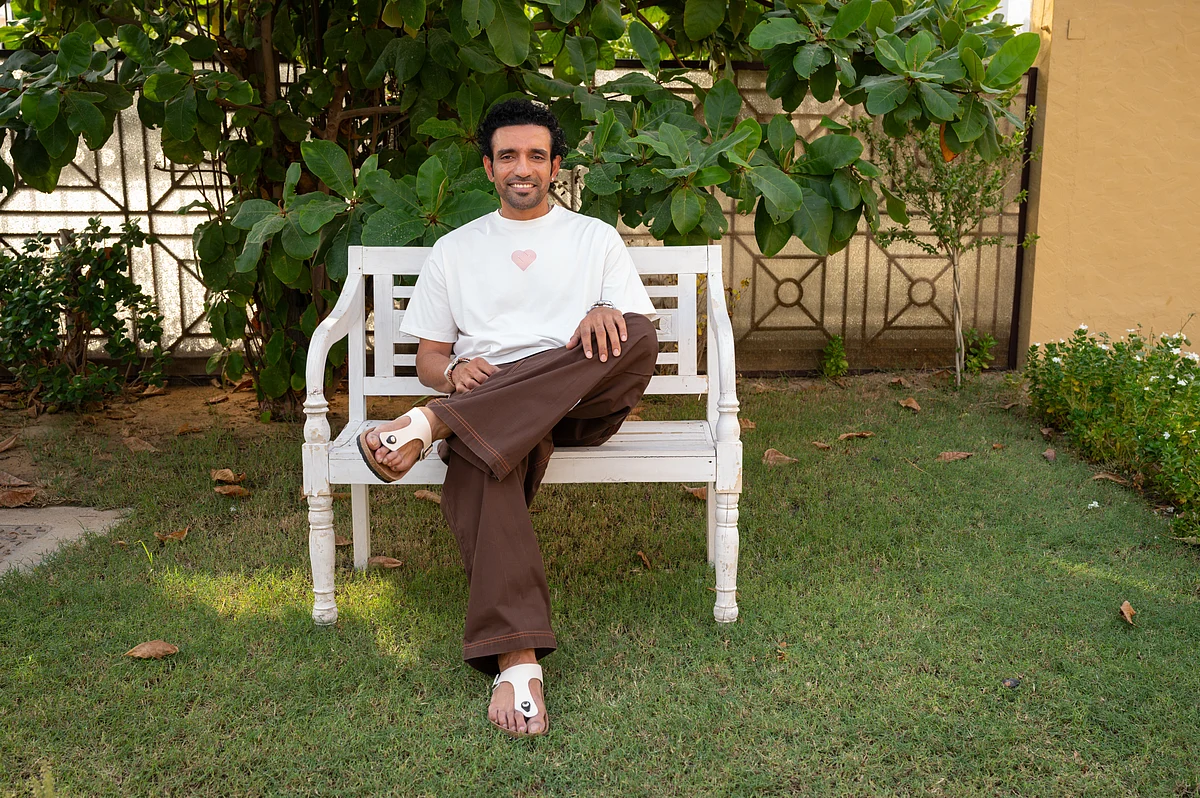
His journey of service began long before cricket. Uthappa recalls a chilly Bangalore morning in 1993 when his mother gave him a two-rupee coin for lunch. On his way to school, he gave it to a begging woman. “Her eyes lit up, she blessed me, and I felt indescribable joy. That day I thought: ‘I want this feeling every day of my life.’”
From then on, serving others guided him. “Even in cricket, I prioritized my team’s needs over mine. I enjoyed it, with no regrets.” His selflessness led to numerous championships, which he views as rewards for his good intentions.
Overcoming depression and suicidal thoughts
Despite his career success, his personal life struggled. In 2009, during the IPL in South Africa, he found himself contemplating suicide from a hotel balcony. “I nearly did it,” he recalls. “I feared heights, yet I was there. Something pulled me back, and I called my parents saying, ‘I need help.’”
This wasn’t isolated. “By 2012, I was depressed again, attempting suicide multiple times. Each time, something stopped me. I heard a voice saying, ‘Not yet’. It made me curious. That voice helped me hold on.”
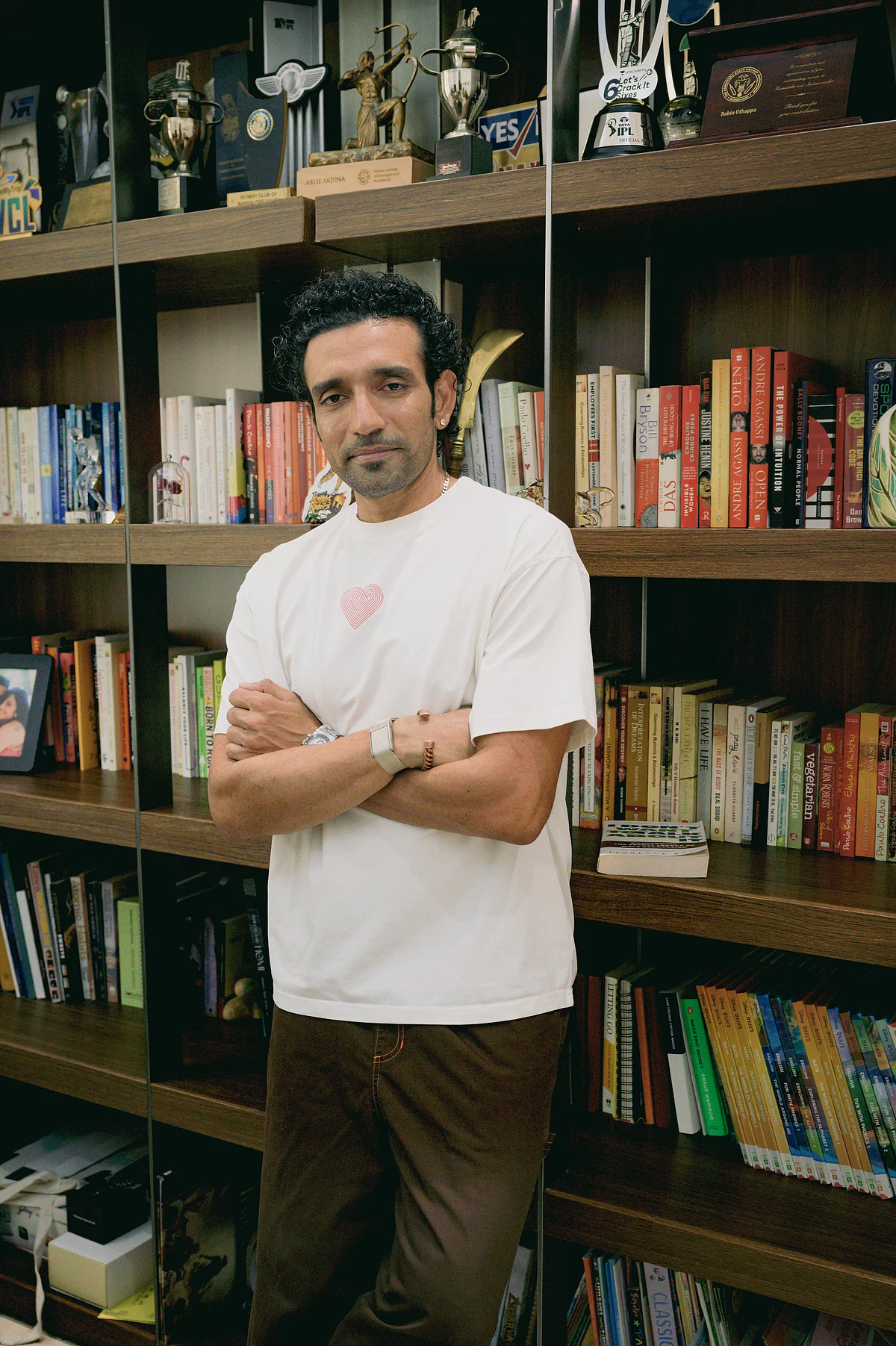
His battle with depression spanned years, even in the public eye as a cricketer. “I underwent counseling, therapy, and medication. I’m open about it to break the mental health stigma, especially for men. Back then, depression was taboo, even career-ending.”
The healing process
Reflecting on his healing journey, he shares, “For a year, I couldn’t face myself in the mirror due to shame. I couldn’t look myself in the eye until I decided to take control of my life. I returned to counseling and started regaining self-respect.”
He rebuilt himself by redefining his values and principles. “I asked: what kind of man, friend, athlete, husband, father, brother, son do I want to be? I set my standards and lived by them, which took two-and-a-half years of healing and setting boundaries. It wasn’t easy, but I committed fully.”
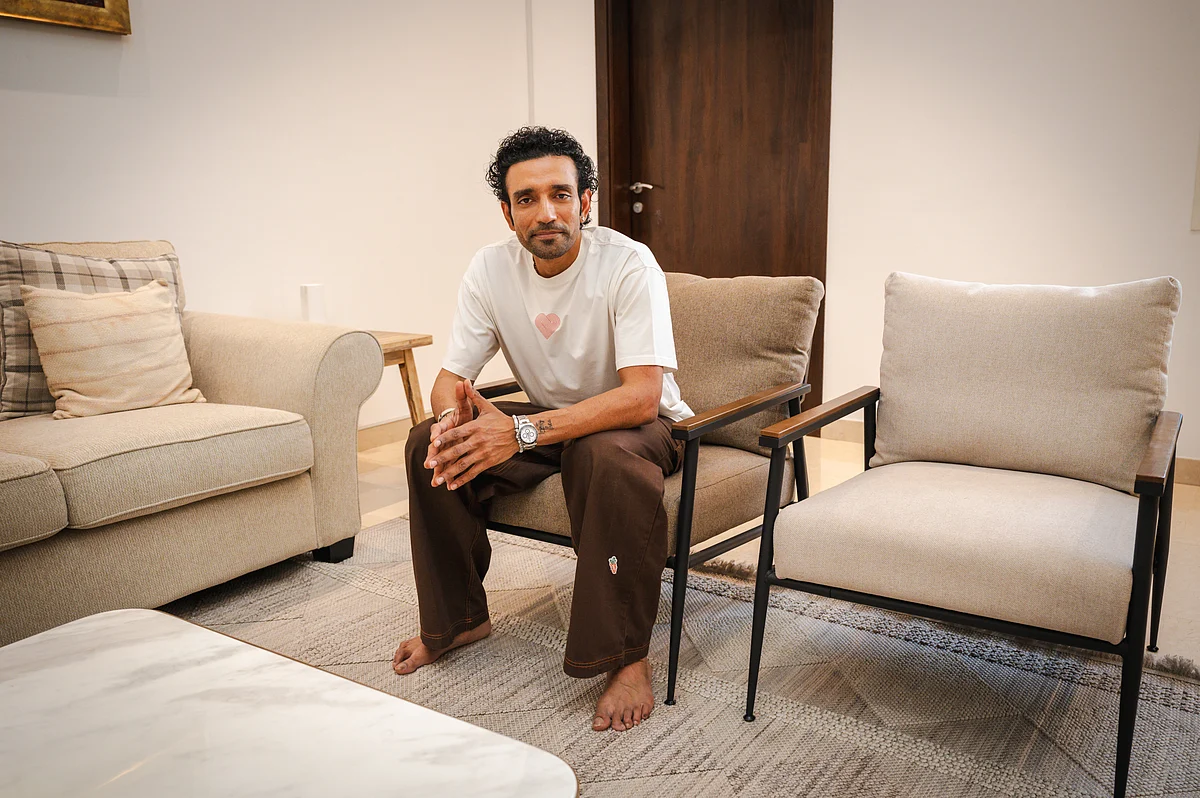
By 2014, he felt a change. “I was okay, but stayed on medication until 2017. I stopped before my son’s birth and felt free.”
Recovery is ongoing. “Even after stopping medication, it’s a daily practice. Each day is new and requires intention.”
This discipline drives his passion for men’s mental health. “Men aren’t taught to process emotions. We’re told, ‘Don’t cry. Be tough.’ This suppression affects every aspect of life. We must learn to articulate and process our feelings.”
His experiences led him to life coaching. “I wanted to create spaces for men to be vulnerable and find balance.”
Creating ‘True’
With his wife, Sheethal Goutham, an NLP practitioner and hypnotherapist, Uthappa founded ‘True’, a life coaching and community platform. “I aim to provide tools for life, not just for athletes or men, but for anyone seeking balance, growth, and healing.”
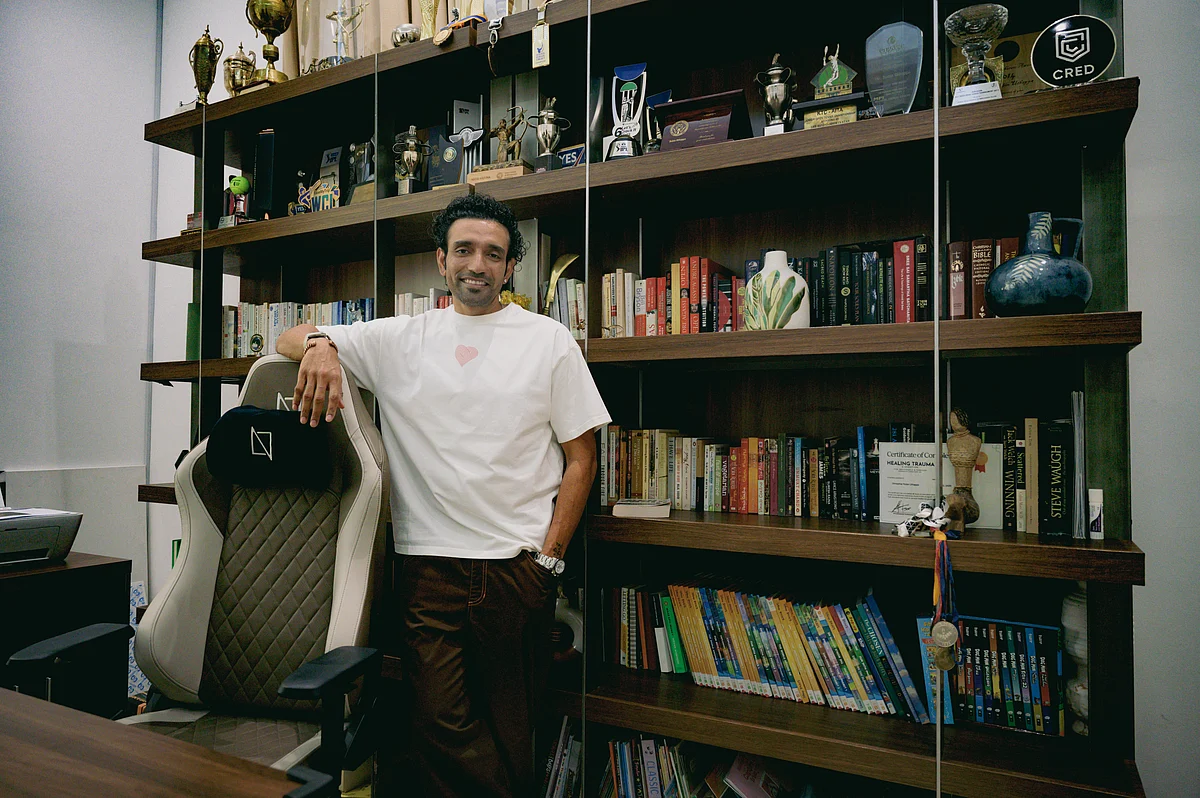
His work at ‘True’ centers on performance coaching, men’s mental health, and ‘modern masculinity’. “We help people understand and balance their energies. Balance isn’t permanent; it’s about awareness and realigning when off balance,” he explains.
“I know the darkness and the way out. If I can help one person find light, I’m fulfilling my purpose.”
Life in Dubai and beyond
Moving to Dubai was a step out of his comfort zone. “In Bengaluru, traffic was robbing my kids’ childhood. We wanted a better life, so we moved. Dubai offered safety, opportunities, and wonderful friends, a reward for prioritizing family.”
Uthappa also found joy in paddle, playing four to five times a week. “It brings me the same joy as cricket—the competitiveness, strategy, agility. Anything joyful is worth pursuing.”
A message to future generations
Having experienced both stadium glory and deep depression, his advice to youth is rooted in self-awareness. “Prolonged sadness isn’t depression. Often, it’s unresolved issues. Address them with awareness, and they won’t grow. Ignore them, and they will.”
He emphasizes listening to one’s inner voice. “Even during mundane moments, if your inner voice questions your actions, listen. It guides you correctly,” he advises.
“Growth happens outside comfort zones,” Uthappa says. “With awareness and joy, even tough transitions can reveal your greatest purpose.”