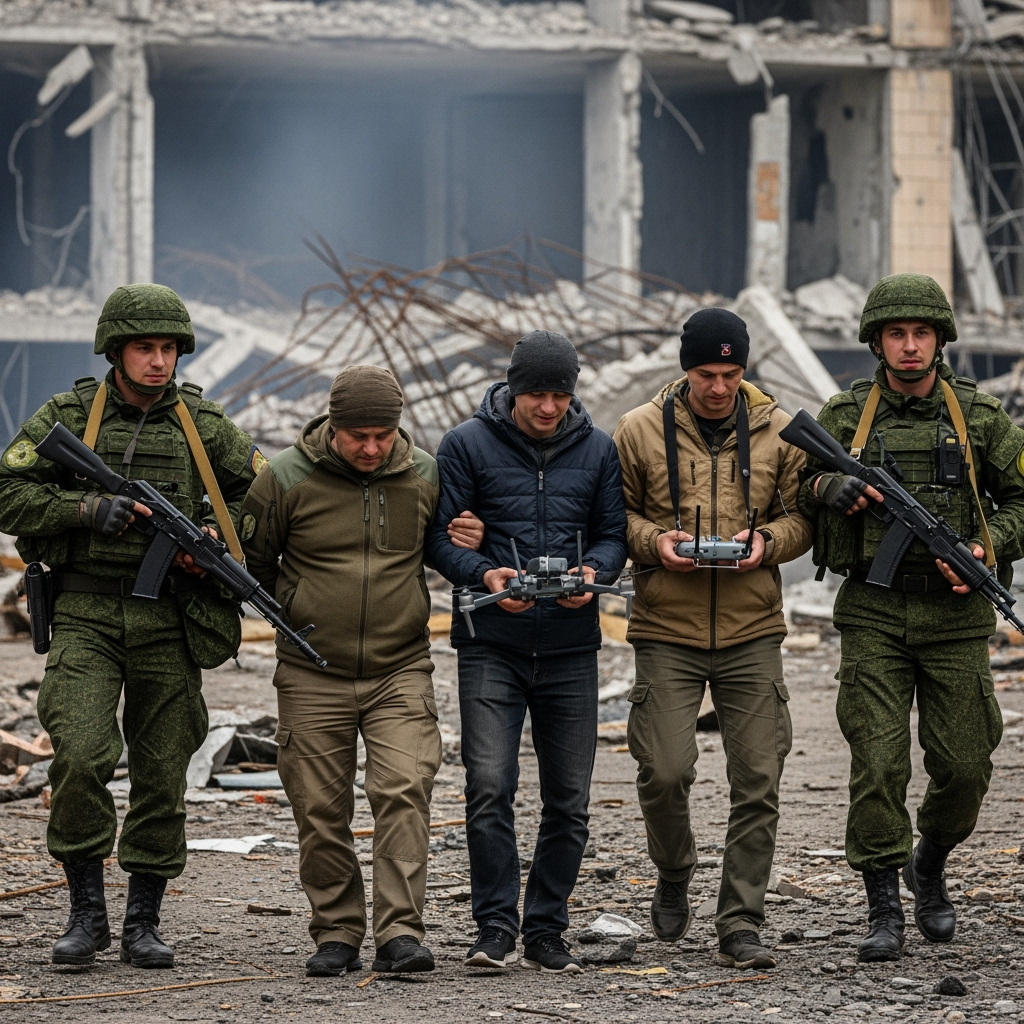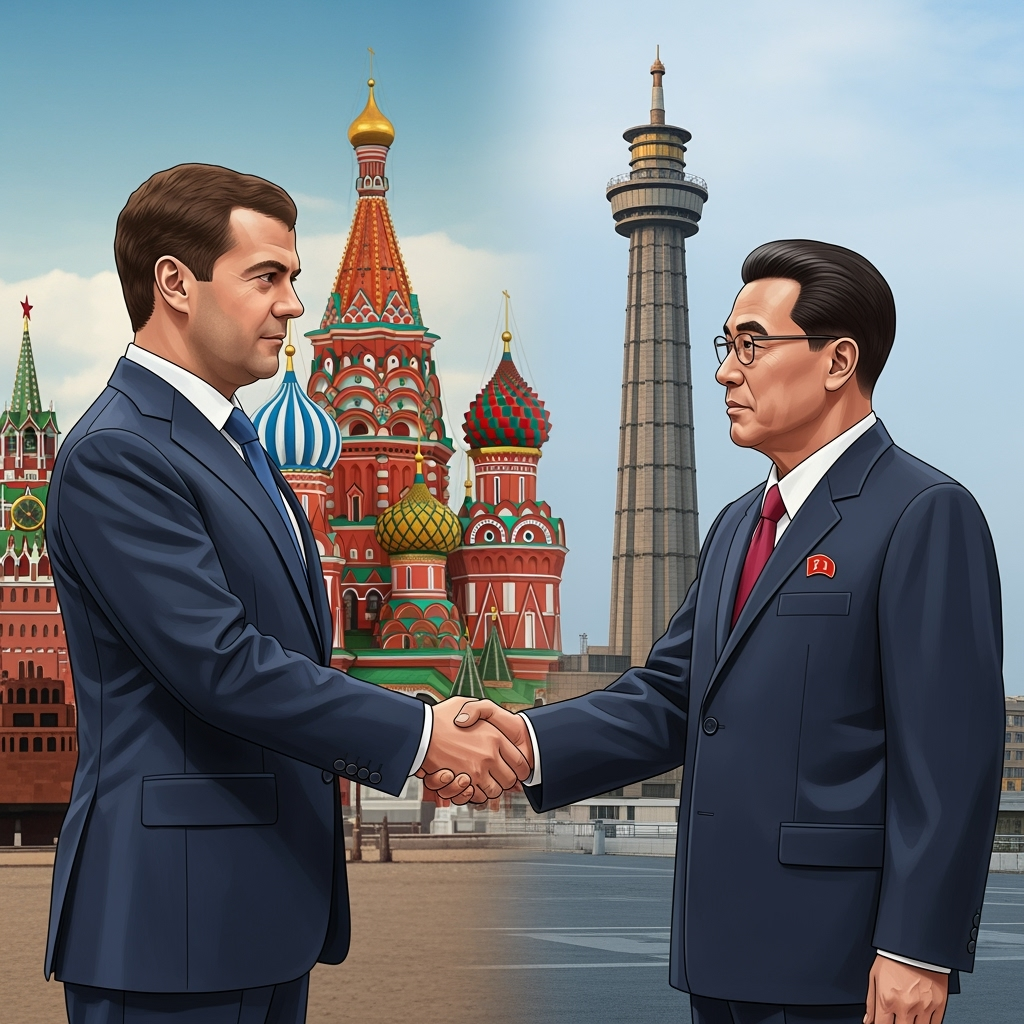
Aloush, in a discussion on radio, pointed out that “military support for Ukraine will not change the balance of power, as Russia insists on preventing NATO’s eastward expansion and maintaining the balances established after the Cold War.” He noted that “Moscow wants a comprehensive approach from Europe that includes economics, politics, and security.”
He added that “Europe, on the other hand, sees that Russia has violated the ‘sanctity of international borders’ and is trying to change them by force, raising concerns about its military and political expansion within the continent and the destruction of the European Union by influencing some Eastern European countries with historical ties to Moscow.”
The international relations researcher affirmed that “restoring trust between the two sides is a basic condition for dialogue and moving from military confrontation to negotiation,” noting that “a meeting in Alaska eased military tensions between NATO and Russia but did not reach conclusions,” with the possibility of holding a trilateral meeting including Ukraine.
He pointed out that the US-European divergence has not reached the point of division, and that “Europe remains in a position of dependency on Washington militarily and politically.” Regarding peacekeeping forces in Ukraine, Aloush said that “Moscow welcomed the proposal to deploy Chinese forces, but the West rejects this, while Beijing does not wish to leave its Asian sphere.”
He highlighted the Turkish mediating role due to President Recep Tayyip Erdogan’s relations with various parties, which grants Turkey an ideal position in any new negotiations that may occur between Moscow and Washington. He confirmed that “these negotiations will not be limited to the Ukrainian issue, as the United States views Russia as a promising economic partner.”