Qawwali, an art form that crosses borders and generations, enthralls audiences with its rhythmic devotion. Legends like Nusrat Fateh Ali Khan, the Sabri Brothers, and Aziz Mian, along with modern artists like Rahat Fateh Ali Khan, have brought the Sufi tradition to global consciousness.
Today, Gen-Z is embracing Qawwali through viral renditions by digital-age performers like Vylom on Instagram and TikTok. Among those reimagining Qawwali for younger audiences is Sagar Bhatia.
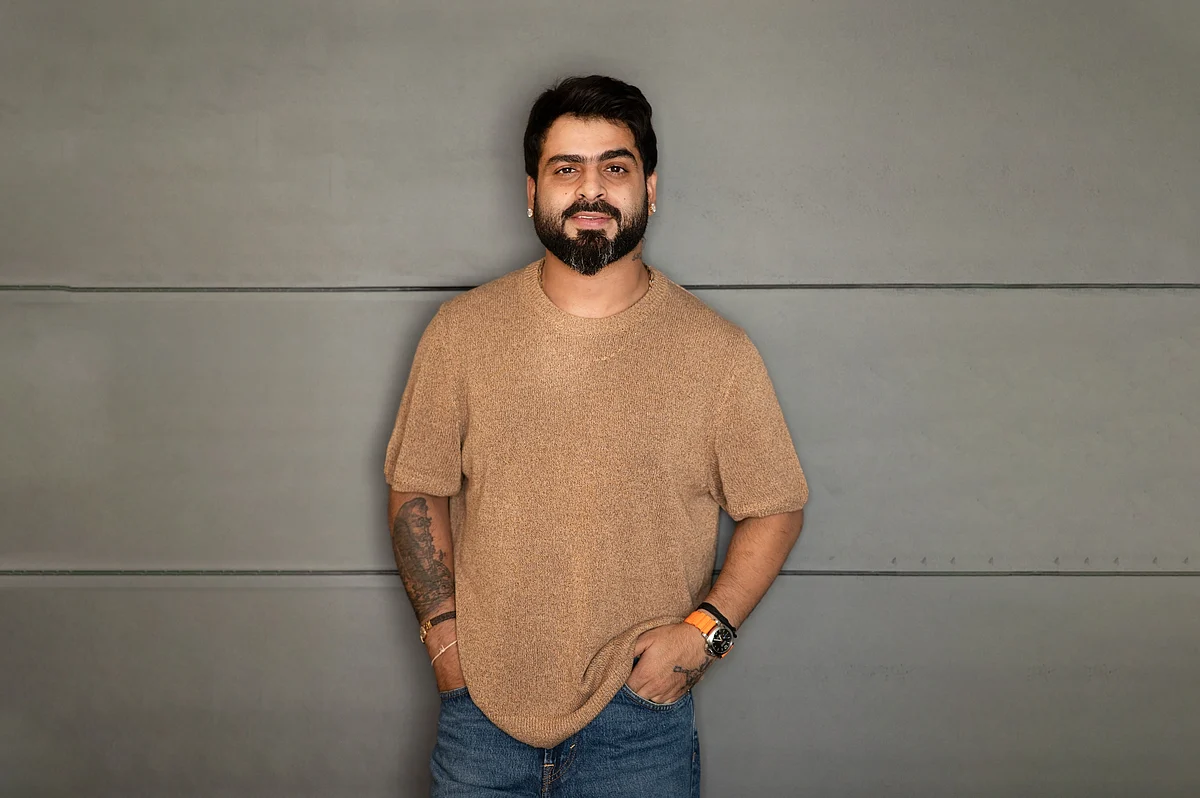
Photo by Shihab/KT
Singer-songwriter Sagar Bhatia blends honesty, storytelling, and Sufi-rock energy into what fans call ‘Sagarwali Qawwali’. Recently in Dubai for a performance, a city he considers his second home, he reflects on his journey, his connection with audiences, and the sincerity that fuels his art.
Delhi roots, Dubai home
Born in Agra and raised in Delhi, Sagar recalls the city’s early chaos and comforts before moving to Noida. “My nana lived in Jamuna Park, East Delhi, before it was developed,” he says. “I’ve lived in Delhi all my life, then moved to Noida, which is peaceful despite its hustle. It’s beautiful to me.”
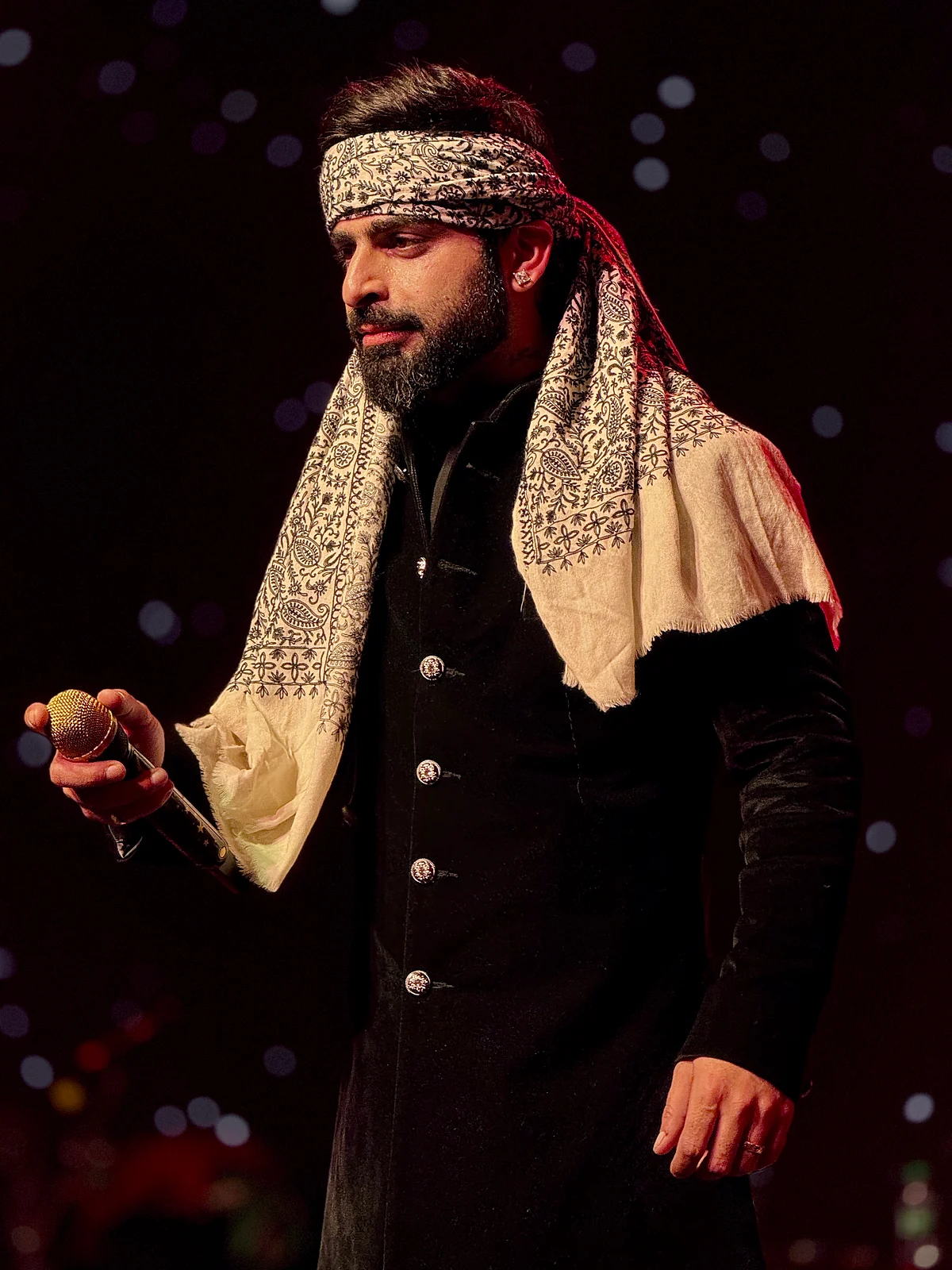
This balance of chaos and peace also defines his relationship with Dubai. “Dubai isn’t just a tourist spot for me; it’s home. I even have a house here. Every visit rejuvenates me. Despite the heat, there’s tranquility and beauty. I can spend the day alone, then enjoy the city’s night glow.”
The first time on a Dubai stage
Sagar’s Dubai debut was during Diwali. At the time, the music scene wasn’t ready for a full-scale Qawwali night. “In India, I had big setups with large audiences. Here, I performed for around 300 people, mostly Pakistanis. The response was so strong, they quickly booked another show.”
Speaking about his musical journey, Sagar says, “It began with a Sufi rock band during Coke Studio Pakistan’s peak. I loved Qawwali and Sufi music but wanted to mix it with rock. Bollywood was there, but the Sufi-rock blend was magical and powerful.”
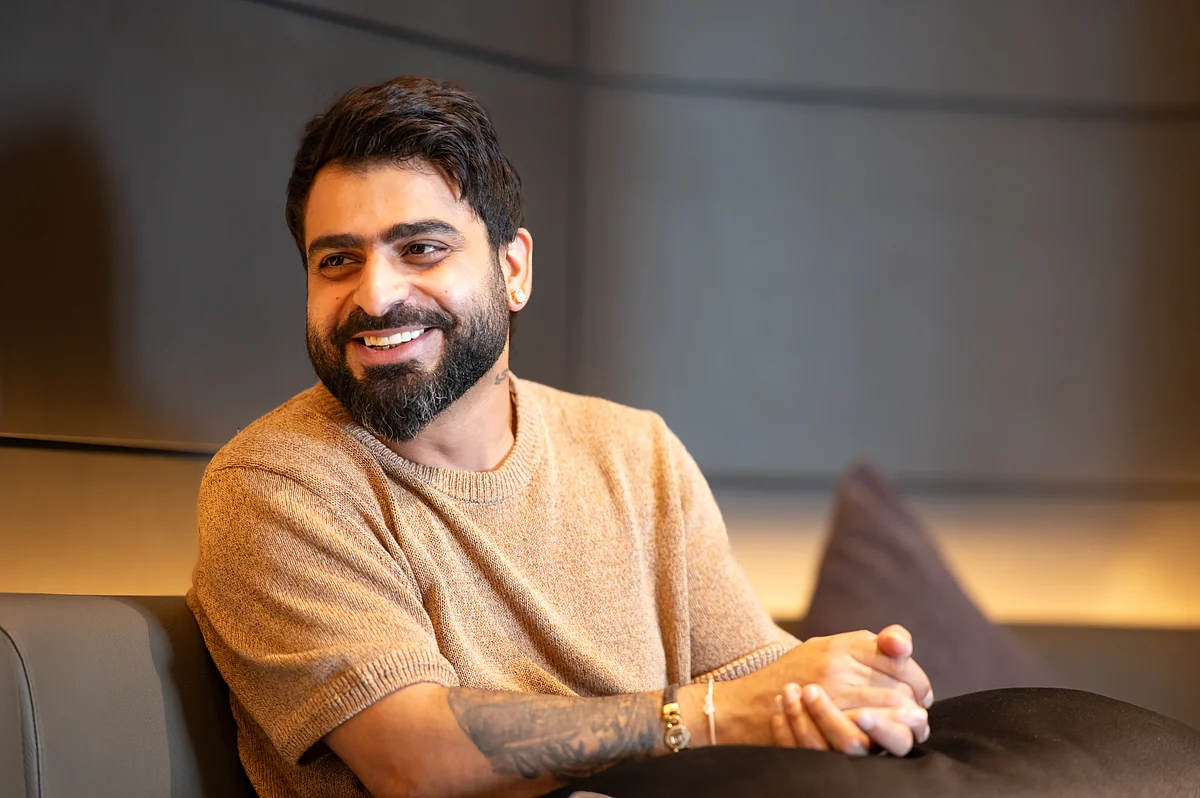
Photo by Shihab/KT
This ‘fusion’ led to his signature ‘Sagarwali Qawwali’, now synonymous with his name, though he resists calling it just an act.
“People see it as my signature act, but it’s more than that. That’s why it resonates. I could use poetic words, but I choose simplicity. If I say, ‘You’ve blocked me, but you’ll search my name one day,’ even a child can repeat it. Keeping it simple makes it relatable.”
Pain as the seed
There’s a romantic notion of art growing from heartbreak, which Sagar embraces. He openly shares about a girlfriend who left because he wasn’t “successful.”
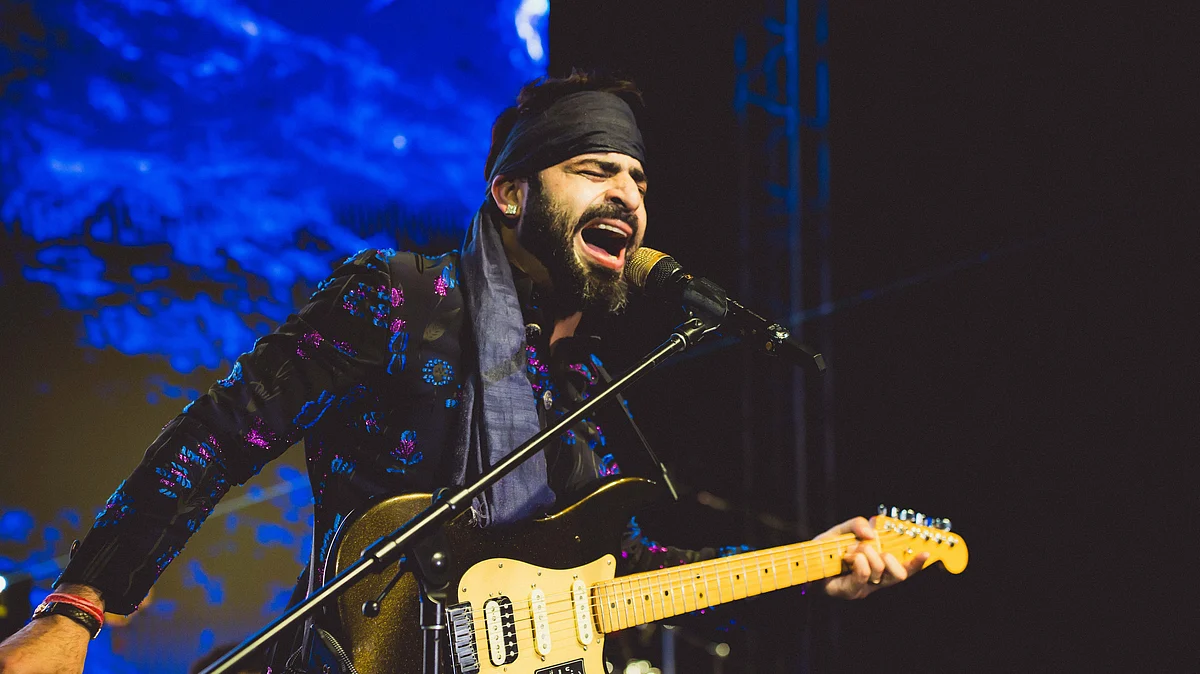
“She wanted someone her parents considered settled,” he recalls. “I was a struggling musician. The breakup hurt, but it fueled me. I told myself, maybe today you don’t see my worth, but one day you’ll pay to see me on stage. That pain became passion, and passion became art.”
Despite years of sold-out shows, the stage still intimidates Sagar. “Before every performance, my heart races. I think, ‘What if I have nothing to say?’ My palms sweat, my mind spins. But once the first song begins, it all flows. I surrender. That’s my process. I plan the first song, then let God decide the rest.”
This surrender connects him to something greater. “The state of flow must be real. You can’t fake it. Fake applause fades, but genuine connection lasts. The same shayari from 2022 can still move people today.”
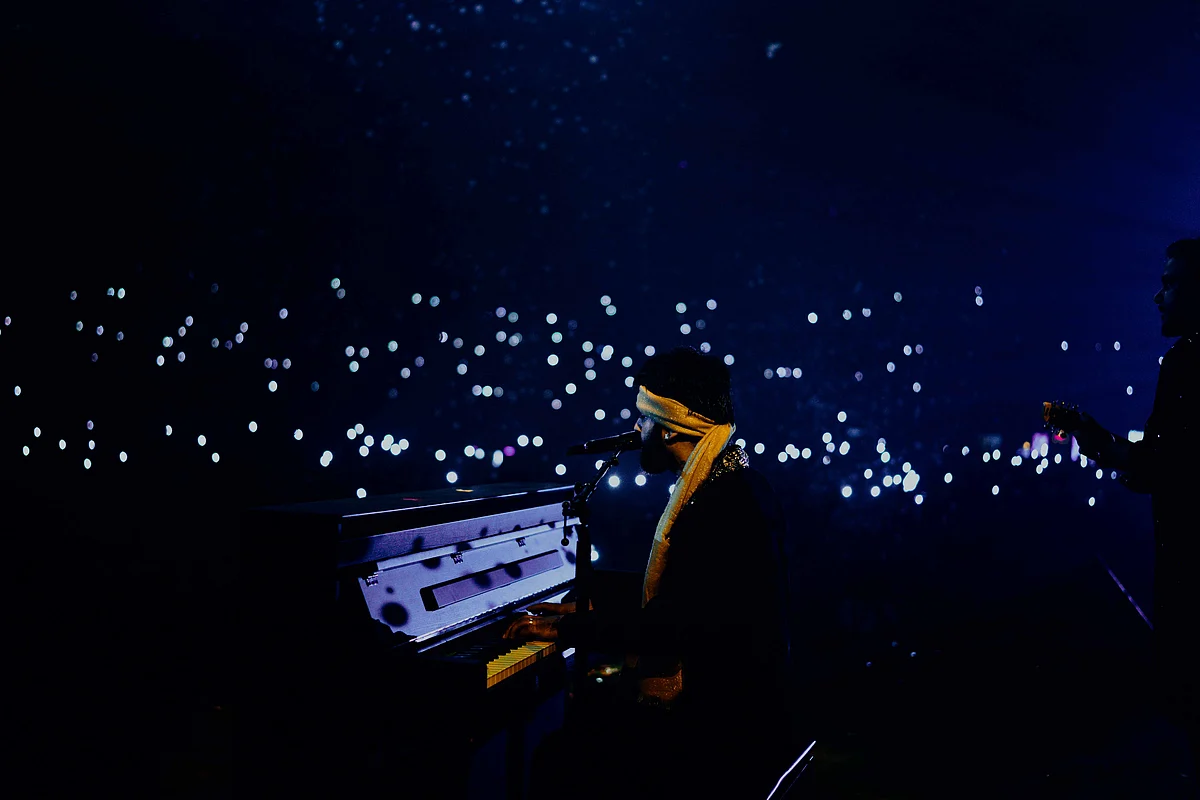
When asked about his bond with Dubai, Sagar says, “The love here feels like family. Music knows no borders. The taste is universal, whether in India or Dubai. But the warmth here is unique. My Dubai audience gives me so much love, and I carry it with me.”
As long as honesty remains, so will his music. “With real stories to tell, ‘Sagarwali Qawwali’ will continue.”