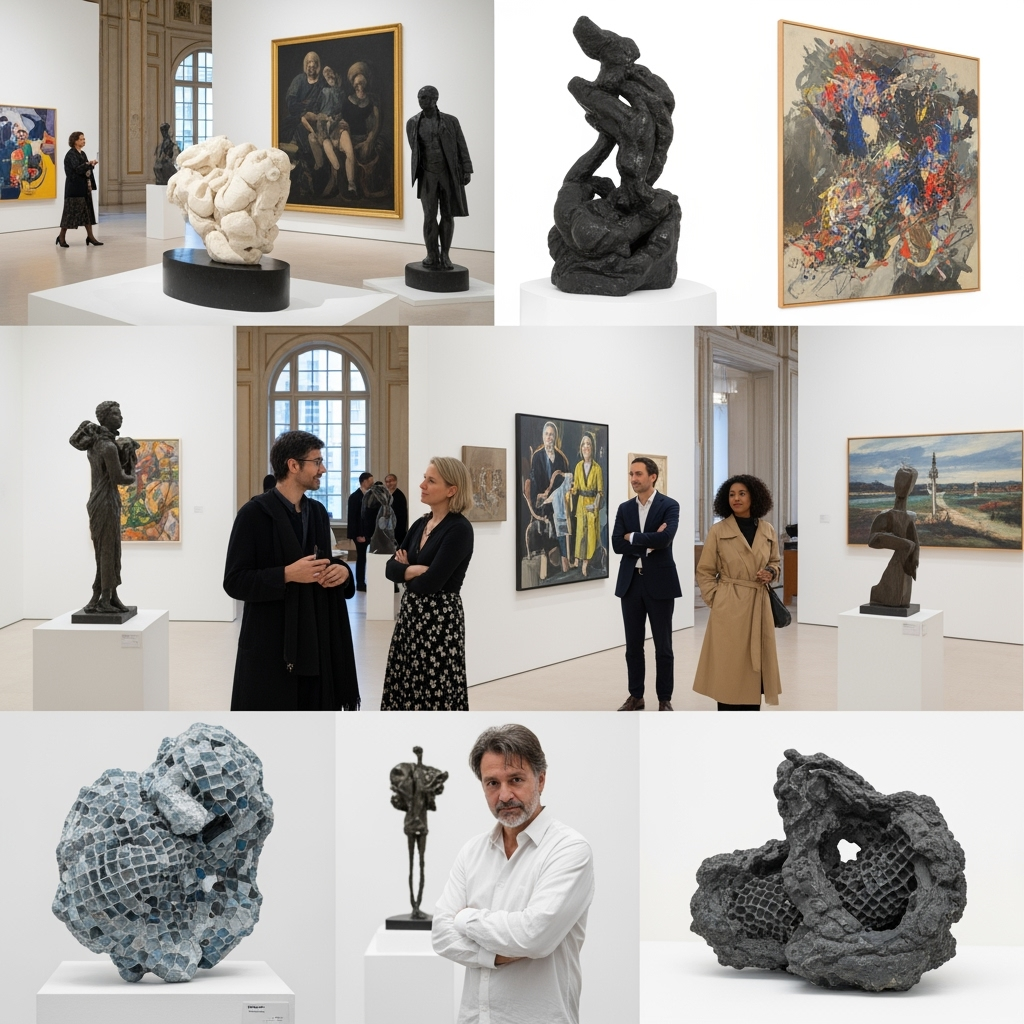
On September 18, visitors at The Third Line gallery will experience a unique showcase of around 70 evocative and poetic artworks by renowned artists such as Farah Al Qasimi, Laleh Khorramian, Shirin Aliabadi, Rana Begum, Nima Nabavi, Lamya Gargash, and more. These works will be displayed along a timeline that reflects the significant technological, political, and cultural changes shaping the new millennium.
This distinctive event, melding The Third Line’s history and present, marks the gallery’s 20th anniversary. Curated by Shumon Basar, The Only Way Out Is Through: The Twentieth Line honors the gallery’s evolution. It features artworks from each artist on its current roster, supplemented by Flash Sales Specials pop-ups and insightful dialogues with key figures from the gallery’s past.
For the pop-up, Basar will reveal rarely seen pieces from the gallery’s archives, displayed for just 48 hours in a format reminiscent of fleeting Instagram Stories. The exhibition title, The Only Way Out Is Through, is both powerful and deliberate, inspired by a mantra of resilience and acceptance of destiny. “This is a significant milestone for us, symbolizing two decades of dedication to nurturing artistic voices and promoting dialogue between the local and global,” shares Sunny Rahbar, a long-time Dubai resident and co-founder of The Third Line with Claudia Cellini and Omar Ghobash in 2005. When the idea for the anniversary exhibition arose, Rahbar quickly enlisted Basar, a curator and writer she has known for nearly 20 years. “My vision for the anniversary was to trace the past 20 years through artworks from the gallery’s archives, set against the backdrop of Dubai, the region, and the world,” explains Basar, who relocated to Dubai from London when The Third Line launched.
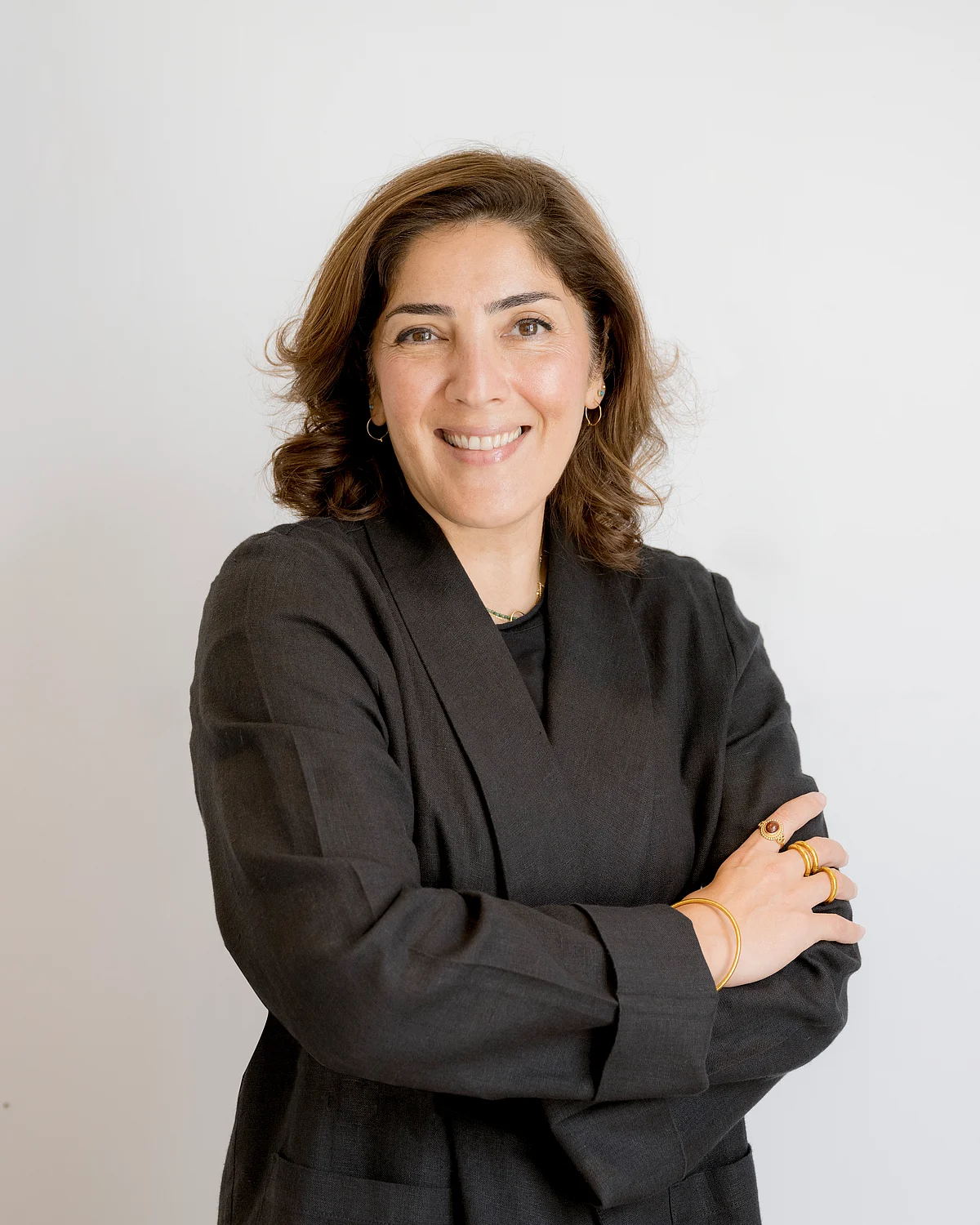
Sunny Rahbar
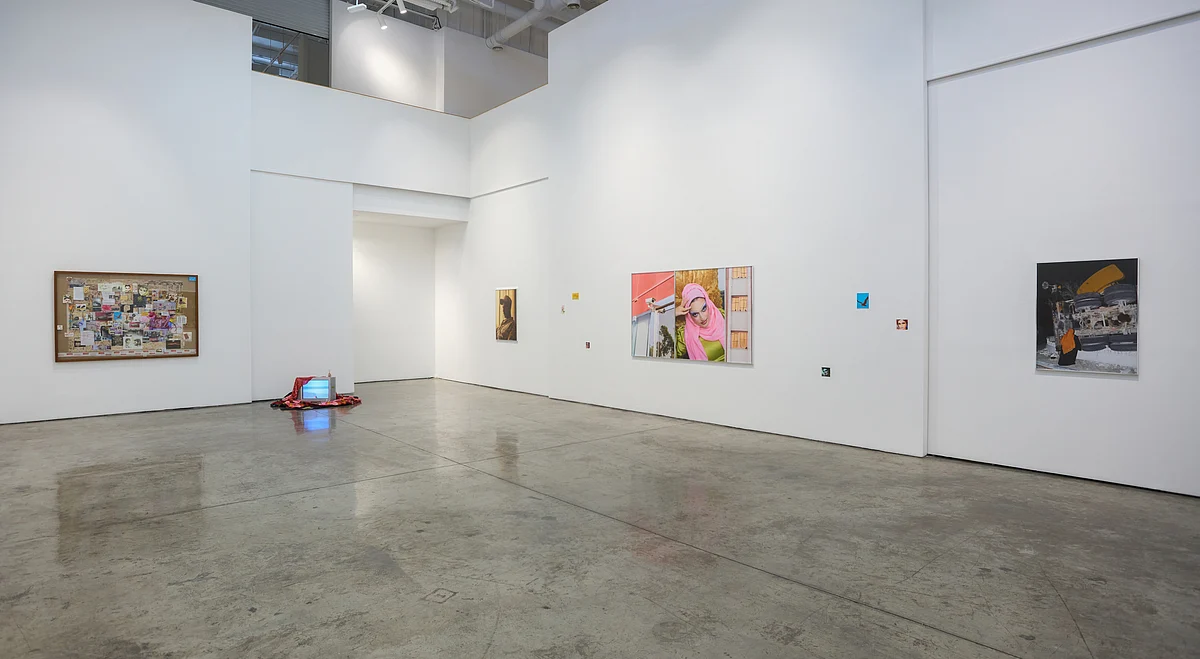
Installation Views, Farah Al Qasimi, Toy World, The Third Line, 2024
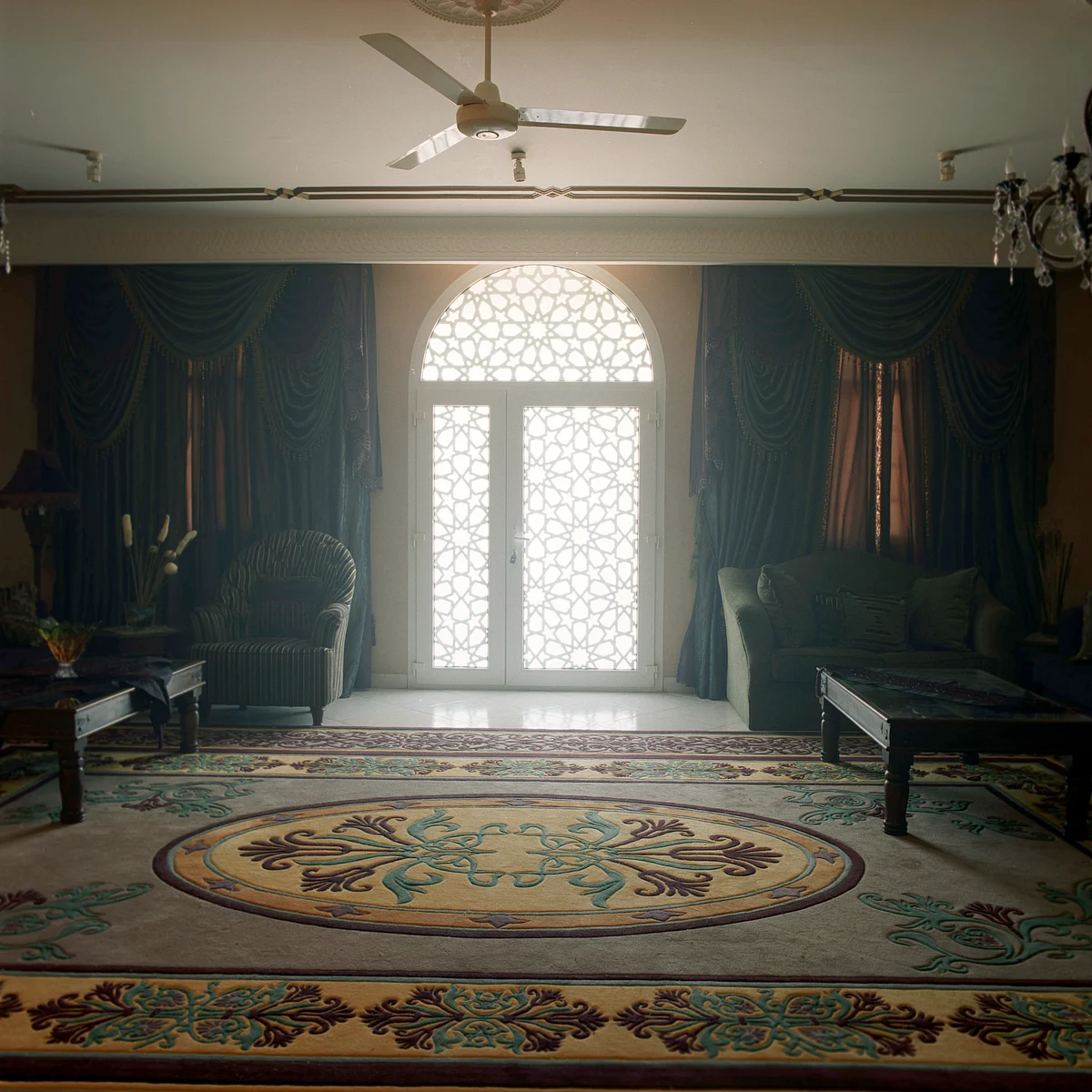
Lamya Gargash, Majlis Series (Light Door), 2009, C-type print, 60 x 60cm, Edition of 5
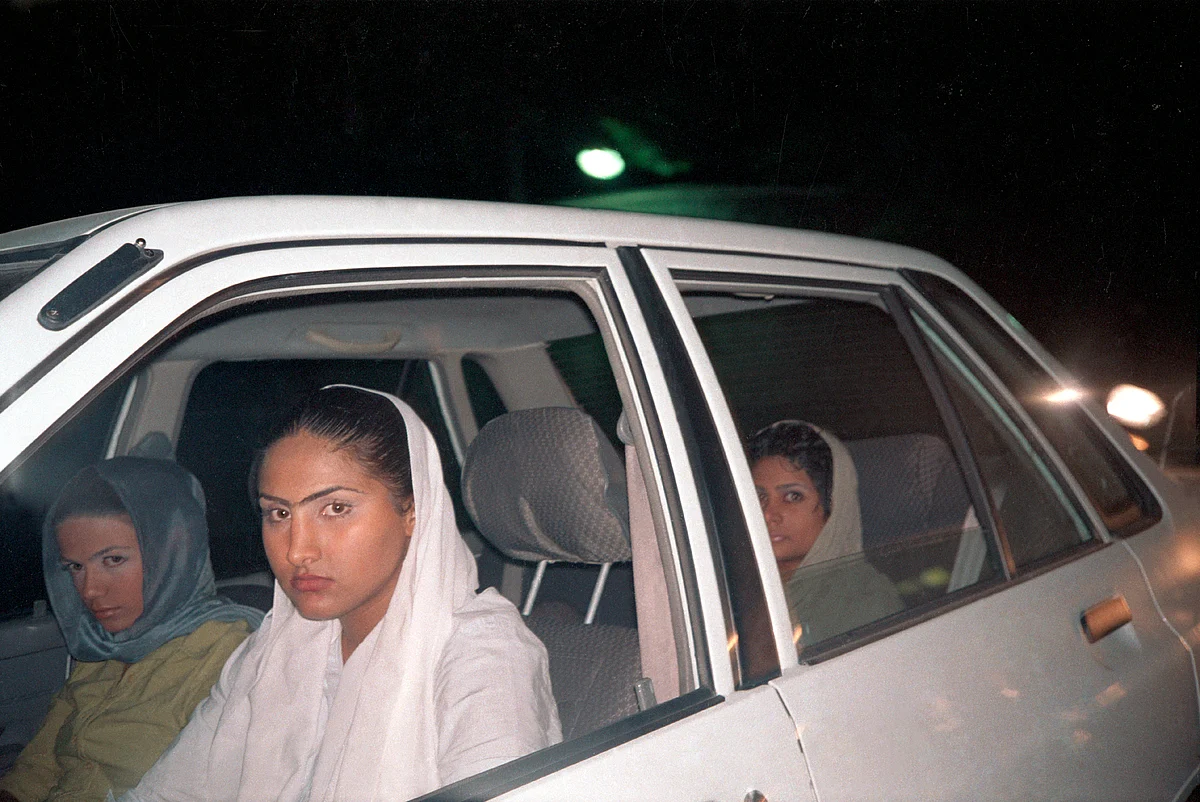
Shirin Aliabadi_Girls In Cars 4_Color photographic print_70x100cm
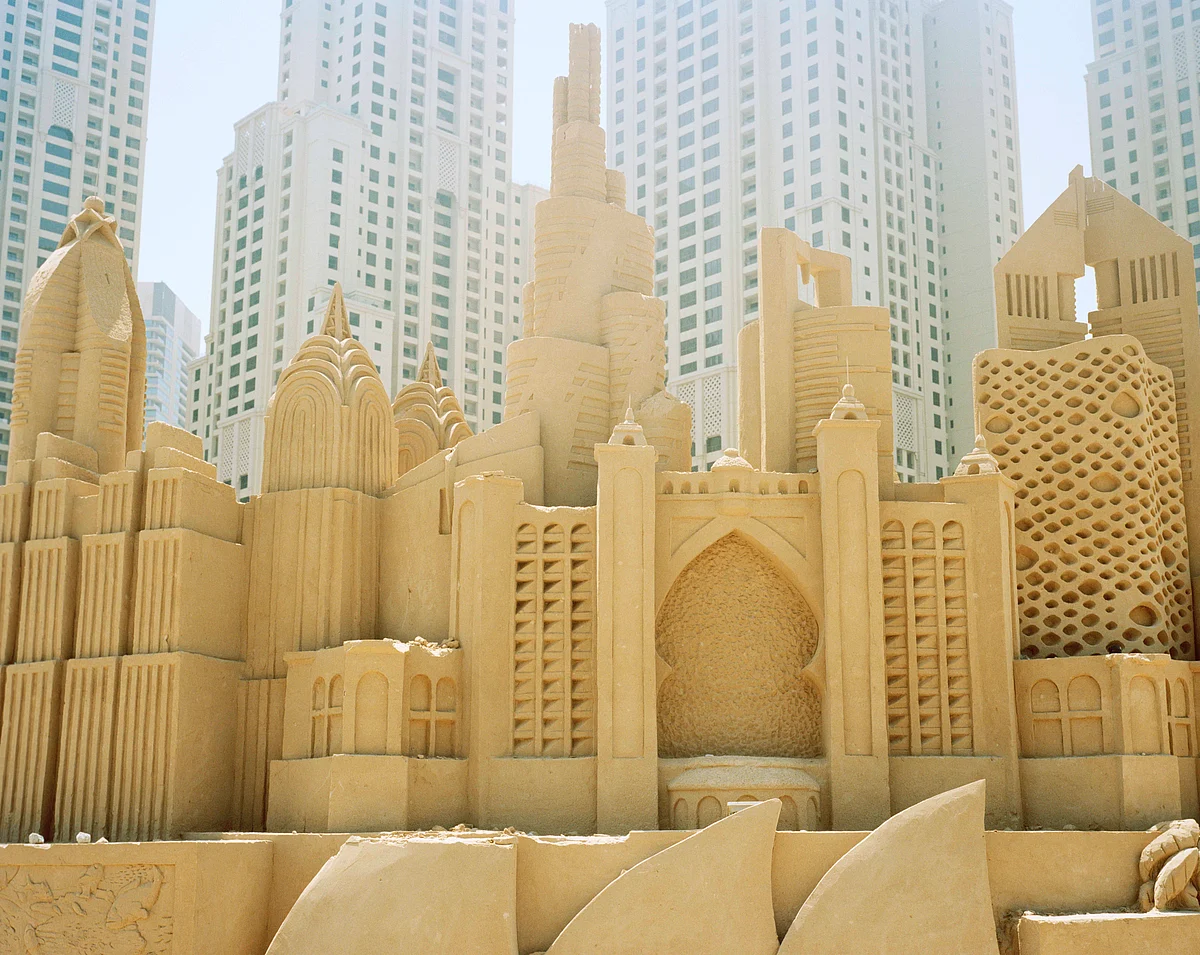
Farah Al Qasimi, Sandcastles, 2014, Archival inkjet print, 69 x 86 cm, 70.5 x 87.5 x 4 cm (framed), Edition of 5
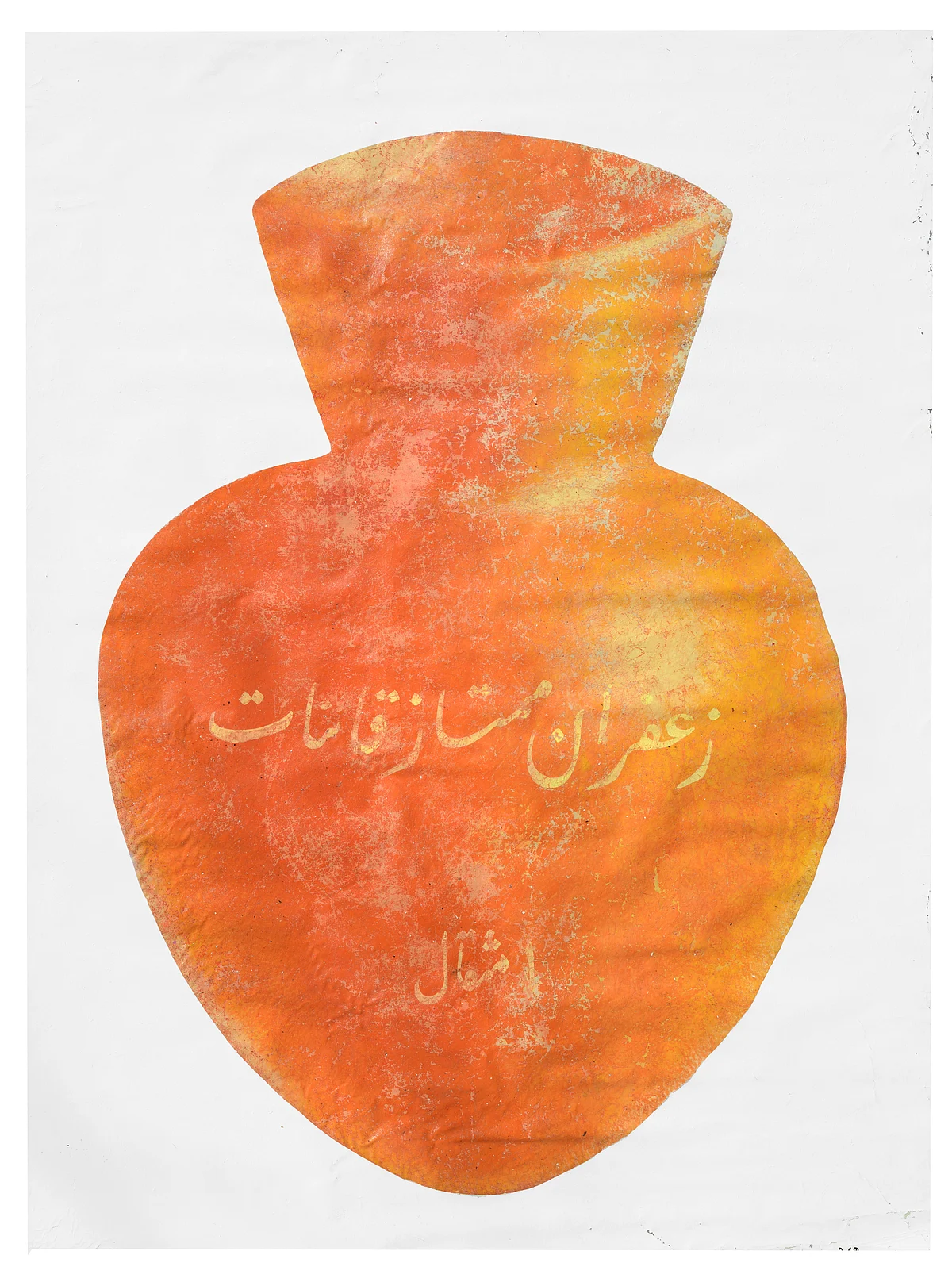
Farhad Moshiri_Saffron of Ghaenat_2003_Water based paint, oil paint and glue on canvas_258 x 180 cm
Rahbar is thrilled to reconnect with artists she has supported over the years, many of whom are now prominent figures in contemporary art. She fondly recalls working with Iranian legend Monir Shahroudy Farmanfarmaian (1922-2019), known for her unique fusion of traditional reverse glass painting, mirror mosaics, and Islamic geometric principles in modern sculptures and installations. “I met Monir at her Tehran studio in early 2007. She was the first female Iranian artist to have a solo exhibition at the Solomon R. Guggenheim Museum in New York. Today, there’s a museum named after her in Iran,” Rahbar says, highlighting Monir’s solo exhibitions hosted by the gallery, including Recollections in 2007, Kaleidoscope in 2011, Monir Farmanfarmaian: 2004-2013 in 2013, Infinite Geometry in 2016, and The Breeze at Dawn Has Secrets to Tell You in 2018. Joana Hadjithomas and Khalil Joreige have also been long-time collaborators. The duo’s interdisciplinary work spans filmmaking, photography, and installations, critically engaging with Lebanese culture and its political realities through themes of memory and history.
Since its founding, The Third Line has strived to forge deeper connections with artists from the Middle East, North Africa, and South Asia (MENASA) region and its diaspora, showcasing their art internationally while nurturing and shaping their careers. Rahbar speaks with evident satisfaction and gratitude about her artists. “Many of our currently represented artists have collaborated with us since the beginning, including Amir H. Fallah, Hayv Kahraman, Huda Lutfi, Lamya Gargash, Joana Hadjithomas and Khalil Joreige, Rana Begum, Youssef Nabil, and the late Tarek Al-Ghoussein. Our relationship is built on trust, risk-taking, and a shared belief in the importance of storytelling from the MENASA region and its diasporas,” says Rahbar, who has previous experience in New York and London.
Initially, one of The Third Line’s core goals was to highlight regional voices, offering them a space for experimentation, crafting a market for them, and placing their works in major global collections. Artists like Emirati Farah Al Qasimi and Qatar-born Sophia Al-Maria have found a supportive home at The Third Line. Al Qasimi’s vibrant photographic work explores identity, culture, and daily life in the Gulf, while Sophia, winner of the Frieze London Artist Award 2025, spans film, writing, and performance to comment on cultural identity, futurism, and gender in the Gulf and beyond. “These young women have brought nuanced Gulf narratives to global audiences. Another Emirati artist, Lamya Gargash, captures the haunting beauty of semi-abandoned and overlooked spaces,” notes Rahbar about the 43-year-old, who was selected for Art Here 2024 at Louvre Abu Dhabi.
Dubai’s first art gallery, The Majlis Gallery, was established in 1989, while The Third Line, along with XVA and Green Art Gallery, is among the oldest contemporary spaces in the ‘City of Gold.’ Today, video art is as common as paintings, but that wasn’t the case when the emerging Third Line featured cutting-edge multimedia works by Laleh Khorramian in 2006, including her animations Sophie and Goya (2004) and Chopperlady (2004). These were showcased when Dubai’s art market was still in its infancy, and the audience’s taste for video and new media art was not as sophisticated as it is today. The Third Line, ahead of its time, possessed what you might call ‘the third eye.’ “When we opened The Third Line, I was in my mid-20s, collaborating with artists of my generation. We wanted to present art of our time, which naturally included video work,” Rahbar explains. “At the time, showing such work was challenging, as an understanding of new media works was yet to be cultivated. But it was important for us to take those risks and give artists the freedom to express themselves in whatever medium they chose.”
The gallery’s name, ‘The Third Line,’ was inspired by a poem from the 13th-century Persian poet Rumi, a suggestion from Rahbar’s father. The journey has been filled with highs and lows. One notable story is that the gallery’s inaugural exhibit at its permanent space (a warehouse in Al Quoz 3) was delayed due to ongoing renovations, forcing Rahbar and her co-founders Claudia Cellini and Omar Ghobash to quickly devise a Plan B. “Luckily, we had an artist next door who offered his studio, and that’s how we managed to open our very first show,” she smiles, reflecting on the journey — not always smooth but rewarding. When The Third Line launched, there weren’t many galleries in Dubai. Starting and sustaining one involved its own set of challenges. What was the biggest hurdle? “Building awareness and educating audiences about contemporary art from the region has been a challenge. Another challenge has been navigating the rapid pace of change in Dubai. The city evolved so quickly that the infrastructure for art, including collectors, museums, and cultural institutions, was constantly catching up. We had to be adaptive and patient,” reflects Rahbar, whose Iranian parents found refuge in Dubai around 1980, where she grew up amidst a cosmopolitan expatriate community.
Unsurprisingly, The Third Line’s rise has paralleled the UAE’s burgeoning art scene. Today, the Emirates is a cultural leader, thanks to influential institutions like Louvre Abu Dhabi, Art Dubai, Sharjah Art Foundation, Jameel Arts Centre, Barjeel Art Foundation, and the forthcoming Guggenheim Abu Dhabi. Neighboring Saudi Arabia is also competing for cultural prominence with the Diriyah Contemporary Art Biennale and AlUla attracting art enthusiasts worldwide, while Qatar has added Art Basel Qatar to its cultural offerings. Perhaps there’s no better analogy for Dubai’s vibrant art market than comparing it to another UAE success story, Emirates Airlines. Like the airline connecting Dubai to the global network, Dubai’s art and cultural scene embodies the ‘local is global and global is local’ philosophy. “Thanks to its international influence and reach, Dubai has become a cultural leader, all because of the city’s strategic location, visionary leadership, and entrepreneurial spirit,” acknowledges Rahbar. Her gallery is one of many that have thrived alongside Dubai’s remarkable economic growth due to its thoughtful curatorial approach, diverse programming, and a critical focus on artists from the MENASA region.
The Only Way Out Is Through: The Twentieth Line will be on display at The Third Line gallery, Alserkal Avenue, from September 18 to November 7.