
Several organizations in the UAE are now fully covering the educational expenses of their employees’ children, imposing no restrictions on the number of children supported.
This trend emerges as more companies in the region introduce family-oriented initiatives that exceed typical workplace benefits, aiming to alleviate the challenges of managing professional and personal duties.
Companies are revamping their policies — including flexible work schedules, remote working options, and childcare support such as crèche facilities and extended maternity leave — to ensure that employees and their families feel supported and appreciated.
Stay informed with the latest updates. Follow KT on WhatsApp Channels.
Education as a Commitment, Not a Perk
Raji Daou, CEO of DMDC, stated, “We fully cover the educational costs of the children of our employees living abroad, without limiting the number of children supported. We finance the entire overseas education of the children of our blue-collar workers. This isn’t a strategic move; it’s a promise we made from day one. These workers are vital to our operations. Their children deserve equal opportunities as anyone else’s. By investing in their futures, we convey that every role is important and every family matters.”
The property developer’s official noted that these initiatives also address broader national needs.
“The UAE hosts over 2.2 million blue-collar workers, many of whom encounter systemic educational and advancement barriers. Programs like Smart Labour and Dubai Holding’s Life Goals initiative are advancing by offering digital literacy and financial education. However, there is room for more. Businesses have the resources and the obligation to step in where traditional systems fall short.”
Creating Parent-Friendly Work Environments
Many employers are also striving to earn the Parent-friendly Label™ (PFL), a voluntary UAE-wide workplace award recognizing organizations dedicated to policies and cultures that support families with children aged 0-8.
From a leadership standpoint, these policies are viewed as a long-term investment. They enhance loyalty, improve retention, and make it easier to attract top talent.
Bader Al Hammadi, Chief Corporate Services Officer at TAQA Transmission, commented, “From flexible working arrangements to parental support, inclusive family events, open communication forums, and dedicated facilities for parents, these actions are intentionally connected. They are based on trust and understanding, fostering a workplace where everyone feels valued and empowered to succeed. We understand that the future of work emphasizes flexibility, empathy, and support for families.”

Bader Al Hammadi
For employees, the impact is personal. As a working mother, the flexibility given to Imane Islam — VP Legal at TAQA Transmission — has been invaluable. “The ability to adjust my hours for significant family moments or work remotely when needed allows me to balance my personal and professional life without guilt. This policy supports parents and reflects a broader commitment to inclusivity, recognizing that everyone’s situation is unique and deserving of respect.”
Maryam Al Mehrzi, Performance Management Analyst at TAQA Transmission, agreed, noting the environment fosters a sense of belonging. “The culture motivates parents, making me feel as if I’m coming to a second home to work — a place where I am consistently surrounded by care, encouragement, and a deep sense of belonging.”
Formalizing Flexible Work
Since 2016, The Developing Child Centre (TDCC) has embraced flexible practices, and in 2023, it formalized them as part of its journey towards earning the Parent-Friendly Label.
Donna Cara, Head of HR and Administrative Operations at TDCC, highlighted the policy.
“At The Developing Child Centre (TDCC), one standout initiative is our Flexible Work Arrangement Policy, offering employees options such as remote work, part-time schedules, flexible working hours, and flexible leave arrangements. Designed by the HR team, this policy acknowledges the diverse needs of parents, whether caring for newborns, supporting school-aged children, or balancing other caregiving responsibilities. By giving employees autonomy in structuring their workday, TDCC enables parents to fully engage in their professional roles while nurturing their families. This practice not only supports parents but also reinforces our organizational culture of trust and inclusion.”
Managers at TDCC have noted that productivity has remained strong, with staff showing greater focus and commitment under the flexible system.
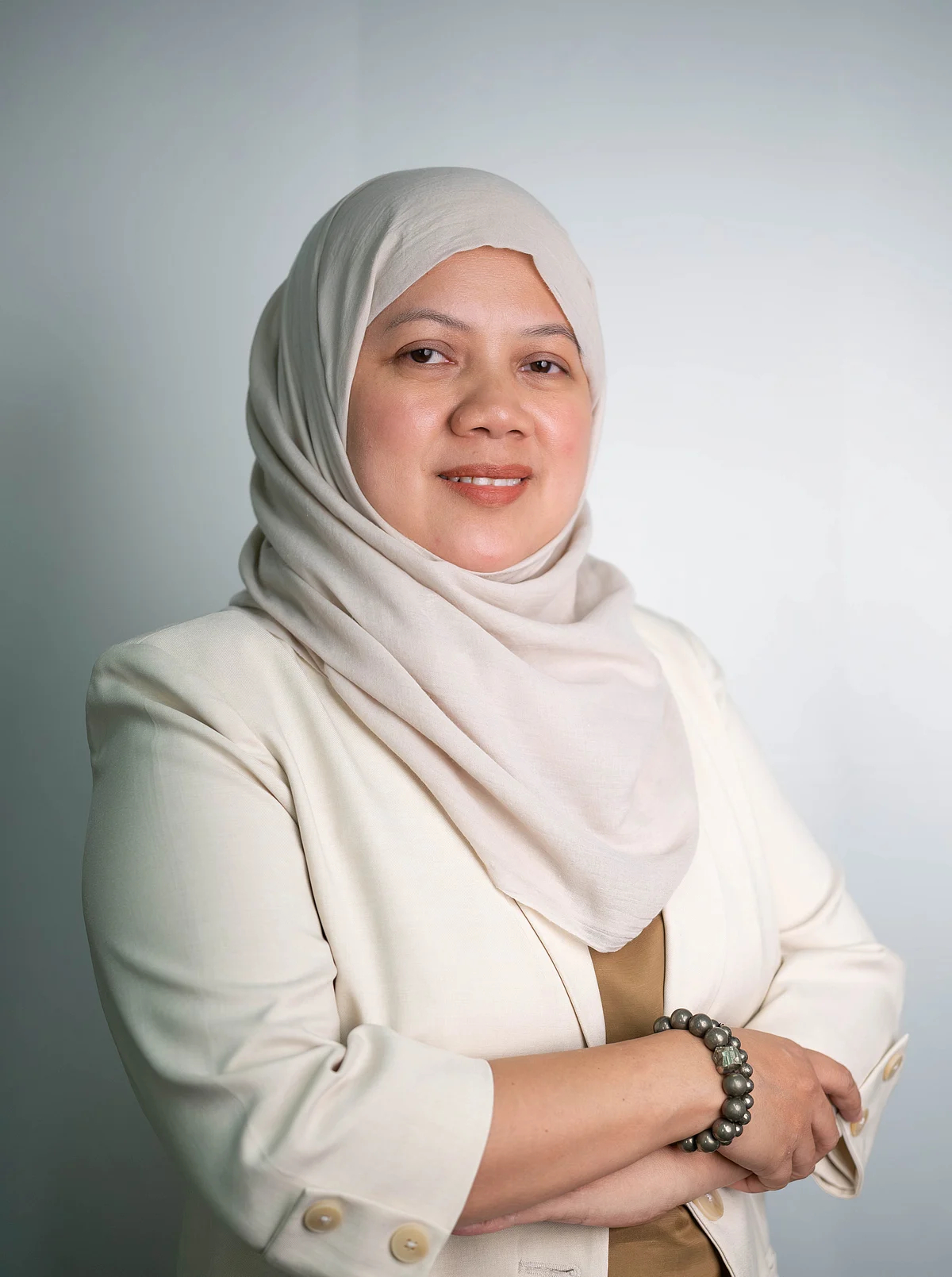
Donna Cara
Enhancing Maternity Support
In real estate, Sobha Realty has led family-friendly workplace reforms.
Ravi Menon, Chairman of Sobha Group, noted, “As the first developer in the UAE to introduce 120 days of maternity leave, Sobha Realty has set a new industry standard. This decision was driven by our commitment to fostering a workplace where employees feel supported during pivotal life moments. We recognize the profound impact and demands of parenthood, and by significantly extending our maternity policy, we affirm our belief that the families of our employees are as integral to our success as the projects we deliver.”

Ravi Menon
The company has also partnered with crèches and nurseries to support working parents while expanding holistic wellness programs.
“Our commitment to holistic well-being spans every life stage. We offer a wide array of wellness initiatives, including preventive vaccinations, yoga and fitness sessions, mental well-being programs, nutrition webinars, and healthy meal options. Employees also have access to Ayurvedic consultations and onsite healthcare specialists, ensuring proactive, convenient care that removes barriers of time and travel,” added Menon.